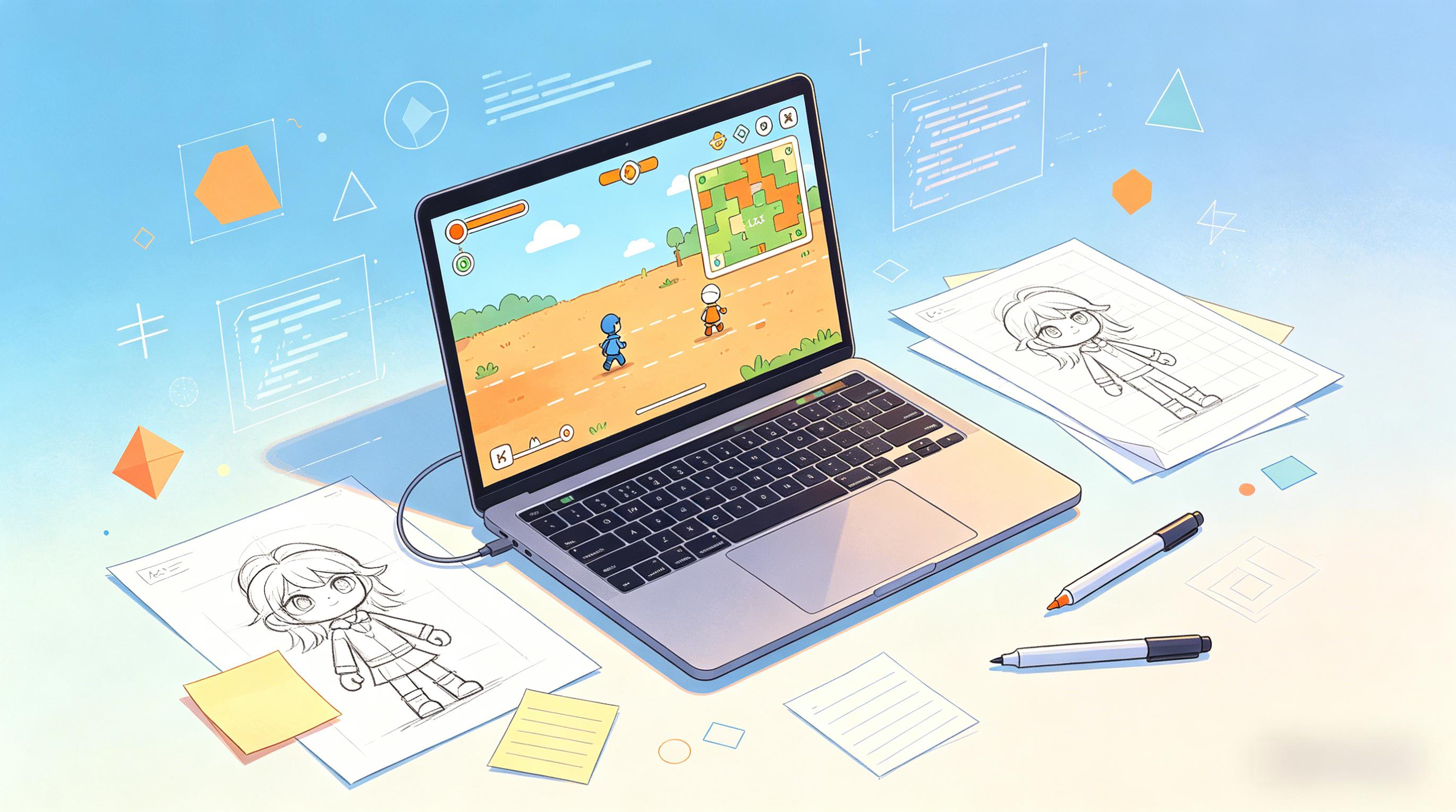
The Power of Early Validation
As an indie game developer, you've probably spent countless hours brainstorming, designing, and coding your game. You believe in your vision, but how can you be sure it resonates with players? This is where Itch.io comes in — it's not just a platform for finished games, but a powerful tool for validating your game prototype.
Many indie developers make the mistake of working in isolation for months or even years, only to release their game and discover that players don't connect with it. By publishing your prototype on Itch.io early, you can avoid this costly mistake and build a game that truly meets player expectations.
Why Itch.io is Perfect for Prototypes
Itch.io has become the go-to platform for indie developers to share early versions of their games. Here's why it's ideal for prototypes:
- Low Barrier to Entry: It's free to publish on Itch.io, and the process is straightforward, even for developers with no marketing experience.
- Targeted Audience: Itch.io attracts a community of gamers specifically interested in indie games, experimental projects, and early access titles.
- Feedback Tools: The platform includes built-in commenting and rating systems, making it easy to gather and organize player feedback.
- Flexible Monetization: You can release your prototype for free, set a pay-what-you-want price, or charge a small fee.
- Version Control: Itch.io makes it easy to update your prototype with new versions as you iterate on your design.
Success Stories: Games That Started on Itch.io
Many now-successful indie games began as prototypes on Itch.io. Here are some notable examples:
Hollow Knight
Team Cherry first released a prototype of Hollow Knight on Itch.io in 2014. The positive reception and feedback they received helped them secure funding and refine their vision, eventually leading to the critically acclaimed Metroidvania we know today.
Celeste
Maddy Thorson and Noel Berry initially created Celeste as a game jam entry, which they published on Itch.io. The prototype's unique mechanics and emotional story resonated with players, encouraging the team to expand it into a full game that would later win multiple awards.
Stardew Valley
While Eric Barone didn't initially publish Stardew Valley on Itch.io, he did share early builds with a small community. The feedback he received helped shape the game's direction, and many similar farming sims have since used Itch.io to test their own prototypes.
Ultrakill
Arsi "Hakita" Patala released the first prototype of Ultrakill on Itch.io in 2019. The fast-paced FPS quickly gained a following, with players providing detailed feedback that helped refine the game's mechanics and level design.
Benefits of Publishing Prototypes on Itch.io
Publishing your prototype on Itch.io offers numerous advantages that can significantly impact your game's success:
1. Validate Gameplay
The most critical question every game developer must answer is: "Is this game fun?" By releasing your prototype, you can quickly determine if your core mechanics resonate with players. If they don't, you can pivot early before investing too much time and resources.
2. Gather Valuable Feedback
Players often notice things developers miss. They might identify bugs, suggest improvements, or point out aspects of the game that are more engaging than you anticipated. This feedback is invaluable for refining your design.
3. Build an Early Community
Even a simple prototype can attract a dedicated community of players who are interested in your game's development. These early supporters can become your most vocal advocates, helping to spread the word about your game as it progresses.
4. Test Technical Performance
Publishing your prototype allows you to test how it performs on different hardware configurations, helping you identify and fix technical issues before full production.
5. Learn Marketing Skills
Creating a product page, writing a compelling description, and engaging with players are all valuable marketing skills that will benefit you when you release your full game.
6. Attract Potential Collaborators
A promising prototype on Itch.io can attract artists, musicians, or programmers who might be interested in joining your project.
How to Publish Your Prototype on Itch.io
Getting your prototype on Itch.io is a straightforward process:
1. Prepare Your Prototype
Focus on showcasing your core gameplay. It doesn't need to be polished, but it should be playable and demonstrate your game's unique mechanics.
2. Create an Itch.io Account
Sign up for a free account on Itch.io if you don't already have one.
3. Set Up Your Game Page
Create a new project and fill out the necessary information, including a title, description, and at least one screenshot or video.
4. Upload Your Build
Upload your game files. Itch.io supports various formats, including Windows, macOS, Linux, and browser-based games.
5. Set Your Pricing
Decide whether to release your prototype for free, set a pay-what-you-want model, or charge a small fee.
6. Publish and Promote
Once published, share your prototype on social media, game development forums, and Discord communities to attract players.
7. Iterate Based on Feedback
Regularly update your prototype based on player feedback, and communicate with your community about your development process.
Overcoming Common Fears
Many developers hesitate to publish their prototypes because of common fears:
Fear of Judgment
Remember that prototypes are meant to be rough and experimental. The Itch.io community is generally supportive of developers who are open about their work-in-progress.
Fear of Idea Theft
While this is a valid concern, the benefits of feedback and validation far outweigh the risk. Most successful games are built on execution, not just ideas.
Fear of Wasting Time
Publishing a prototype actually saves time in the long run by helping you identify and fix issues early, rather than discovering them after months of development.
Conclusion
Publishing your game prototype on Itch.io is more than just a testing ground — it's a strategic move that can significantly increase your chances of success as an indie developer. By validating your gameplay, gathering feedback, and building an early community, you'll be able to make more informed decisions about your game's direction.
Remember that even the most successful indie games started as rough prototypes. The key is to embrace the iterative process and use player feedback to refine your vision. By publishing on Itch.io, you're not just testing your game — you're building a foundation for a community that will support your development journey.
So don't wait until your game is perfect. Publish your prototype on Itch.io today and start the conversation with players. The insights you gain might just be the difference between a game that fades into obscurity and one that becomes a beloved indie hit.