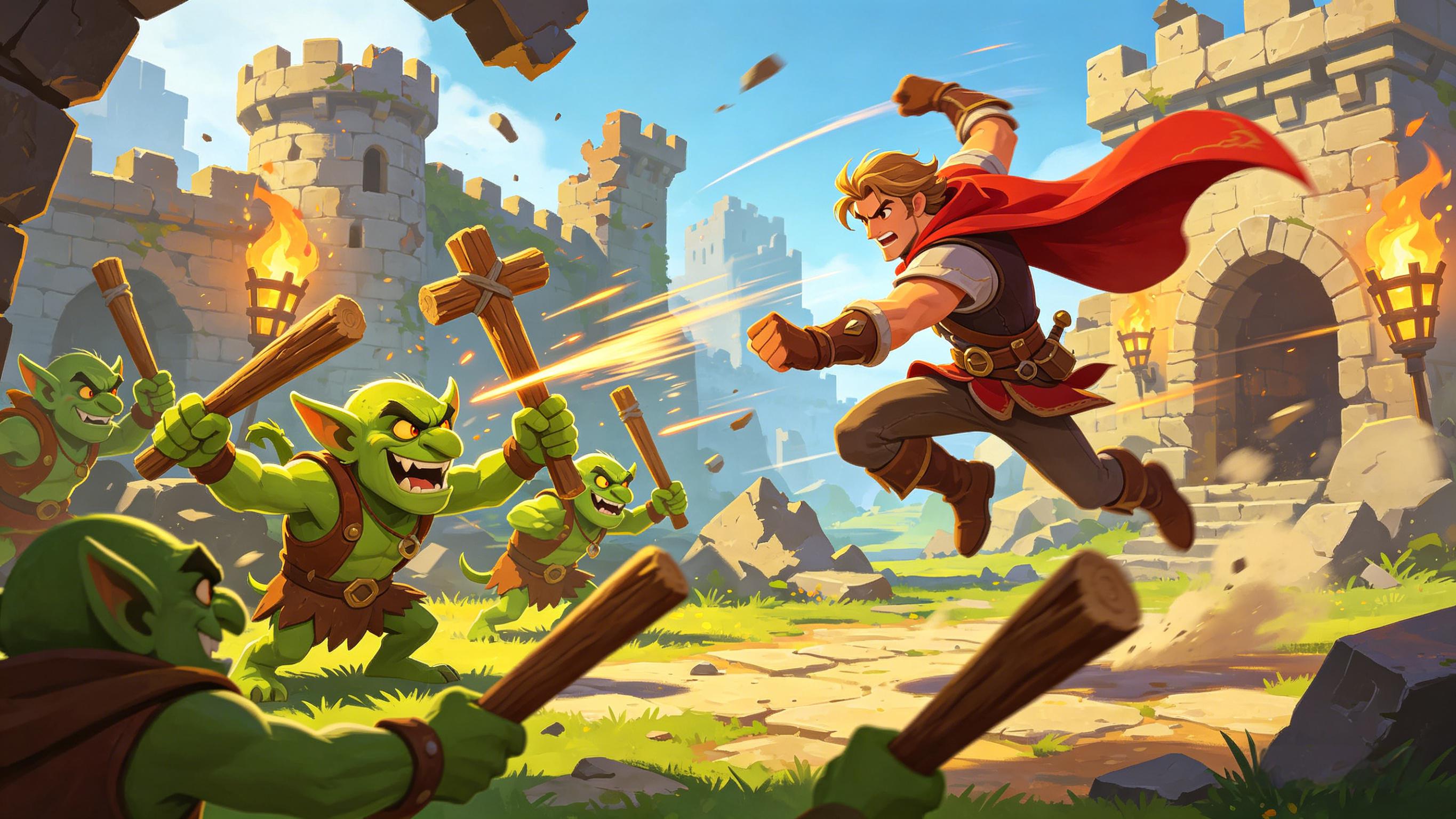
It's easy to see why action games are tempting for indie developers. The flashy combat, satisfying animations, and the thrill of creating something that feels responsive and fun can be incredibly alluring. However, the reality is that action games—even seemingly simple pixel-based ones—are often the worst choice for solo developers or small teams with limited resources.
The Hidden Costs of Action Game Development
When most indie developers imagine creating an action game, they might picture something like a 2D pixel platformer with basic combat. But even this "simple" concept hides significant challenges and costs:
Animation Requirements
Action games demand extensive animation work that many developers underestimate:
- Player animations: Idle, walking, running, jumping, attacking (multiple variations), taking damage, dying, and special moves
- Enemy animations: For each type of enemy, you need similar animation sets
- Environmental animations: Interactive objects, destructible elements, and background elements
- UI animations: Hit indicators, damage numbers, and menu transitions
Technical Complexity
Beyond art, action games present significant technical challenges:
- Hit detection: Precise collision detection for different attack types and body parts
- Combat systems: Combo systems, enemy AI, and difficulty balancing
- Feedback systems: Visual and audio feedback for hits, misses, and critical strikes
- Performance optimization: Maintaining consistent frame rates during intense action sequences
Real-World Examples of Action Game Costs
To understand the true scale of action game development, let's look at some notable examples:
Cuphead: The Ultimate Cautionary Tale
Cuphead, often cited as a "successful indie action game," actually required:
- 5 years of development by a team of skilled artists and programmers
- Hand-drawn animation in a 1930s cartoon style
- Artistic talent comparable to AAA studios
- Significant financial backing to sustain development
While Cuphead was eventually successful, its development timeline and resource requirements are far beyond what most indie developers can handle.
Stardew Valley vs. Hollow Knight
Compare two successful indie games:
- Stardew Valley: Created by one person (Eric Barone) in about 4 years, focused on simulation and narrative
- Hollow Knight: Created by a team of 3-5 people over 3-4 years, focused on action and platforming
While both games were successful, Hollow Knight required a larger team and more specialized skills to achieve its polished action gameplay.
Why Action Games Don't Align with Indie Strengths
Indie games thrive on creativity, innovation, and personal vision—areas where action games often fall short for small teams:
Indie Games Excel at:
- Unique concepts: Innovative gameplay mechanics or narrative approaches
- Personal stories: Emotional narratives that connect with players
- Experimental design: Taking risks that larger studios can't afford
- Efficient development: Maximizing impact with limited resources
Action Games Require:
- Polish over innovation: Success depends on execution quality, not unique ideas
- Technical expertise: Specialized knowledge in animation, physics, and combat systems
- Scale: More content to keep players engaged
- Marketing muscle: Standing out in a crowded genre requires significant promotion
Alternatives for Action Game Enthusiasts
If you're passionate about action but want to work within indie constraints, consider these approaches:
1. Focus on Action-Puzzle Hybrids
Games like Portal or Limbo combine elements of action with puzzle-solving, reducing the animation and combat requirements while still providing engaging gameplay.
2. Start Small with Mini-Games
Create focused action mini-games that require only a few animations and simple mechanics. This lets you test your ideas without committing to a full-scale project.
3. Mod Existing Games
Start by creating mods for existing action games. This lets you experiment with game design without the overhead of building an entire game from scratch.
4. Collaborate with Specialists
If you're set on creating an action game, partner with artists and animators who have the specialized skills you lack. However, be prepared for a longer development timeline and shared revenue.
Conclusion: Play to Your Strengths
Action games are not impossible for indie developers, but they require resources and expertise that most solo developers or small teams simply don't have. The indie scene has seen far more success stories from games that leverage creativity and innovation over technical polish.
Before committing to an action game, ask yourself:
- Do I have the animation skills or budget to create compelling character movements?
- Am I prepared for the technical challenges of combat systems and hit detection?
- Can I sustain development for the 3-5 years that a polished action game typically requires?
- Is there a way to achieve my creative vision through a less resource-intensive genre?
Remember, the most successful indie games aren't the ones that compete with AAA titles on technical terms—they're the ones that offer something unique that only an independent developer could create. By choosing a genre that aligns with your strengths and resources, you'll dramatically increase your chances of creating a game that resonates with players.