Overview
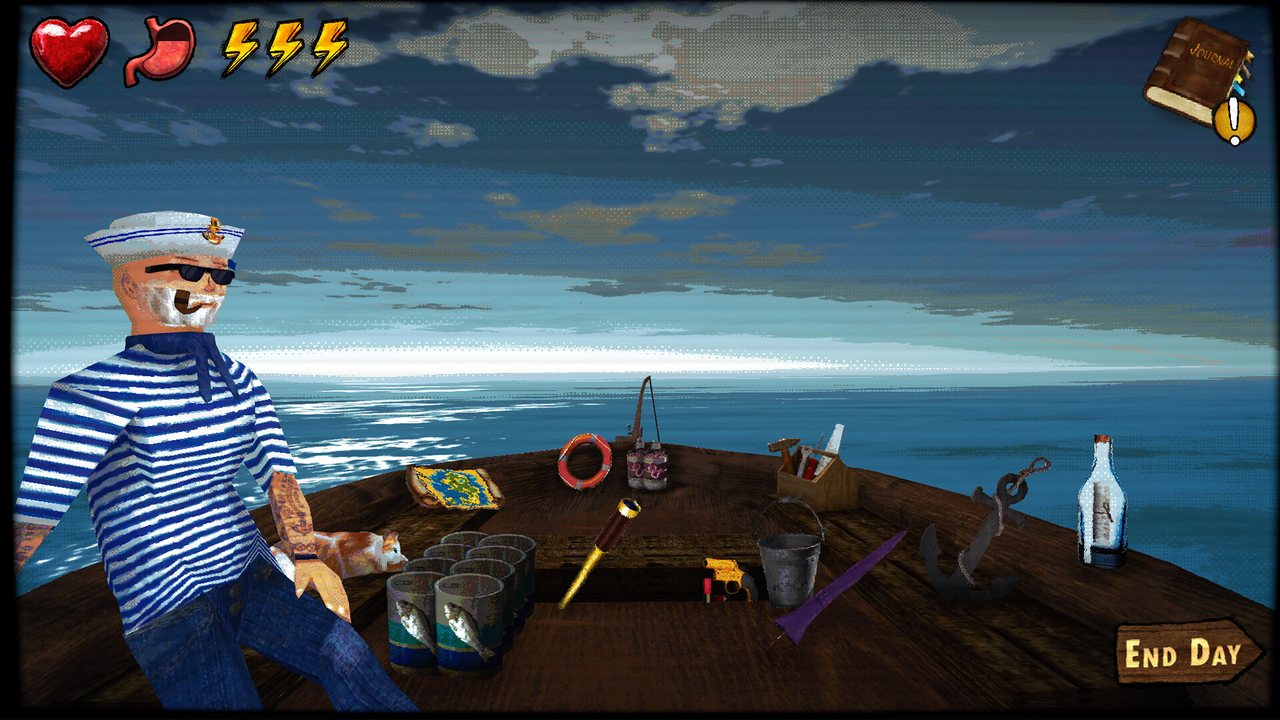
Don't Sleep With The Fishes is a short, low-poly survival horror game in which you play the captain of a cargo ship on a covert delivery run. Something strikes the hull, and an alarm gives you sixty seconds to throw supplies — water, food, tools, medicine — into a lifeboat before the ship goes under.
Released on June 26, 2026 at $1.99 by developer Taiki and published by DopplerGhost, it condenses the "what do I carry?" panic of a full survival game into one minute, then spends the rest of its run making you live with the answer. Reviews are "Very Positive", with around 94% of more than 700 reviews recommending it.
Gameplay
The loop is a resource puzzle with a horror schedule. Days are for fishing, diving, eating and talking to the one shipmate your boat could carry. Nights are for the things that come up to the hull — and the only defence is what you chose to bring.
- Sixty-second looting phase before the ship sinks
- Three recruitable shipmates with different skills and dialogue
- Day/night cycle: fish or dive by day, survive random night events
- Items double as solutions to specific night threats
- Trust system where companions can disappear or turn on you
- Seven endings, including one true ending unlocked by full exploration
Gallery
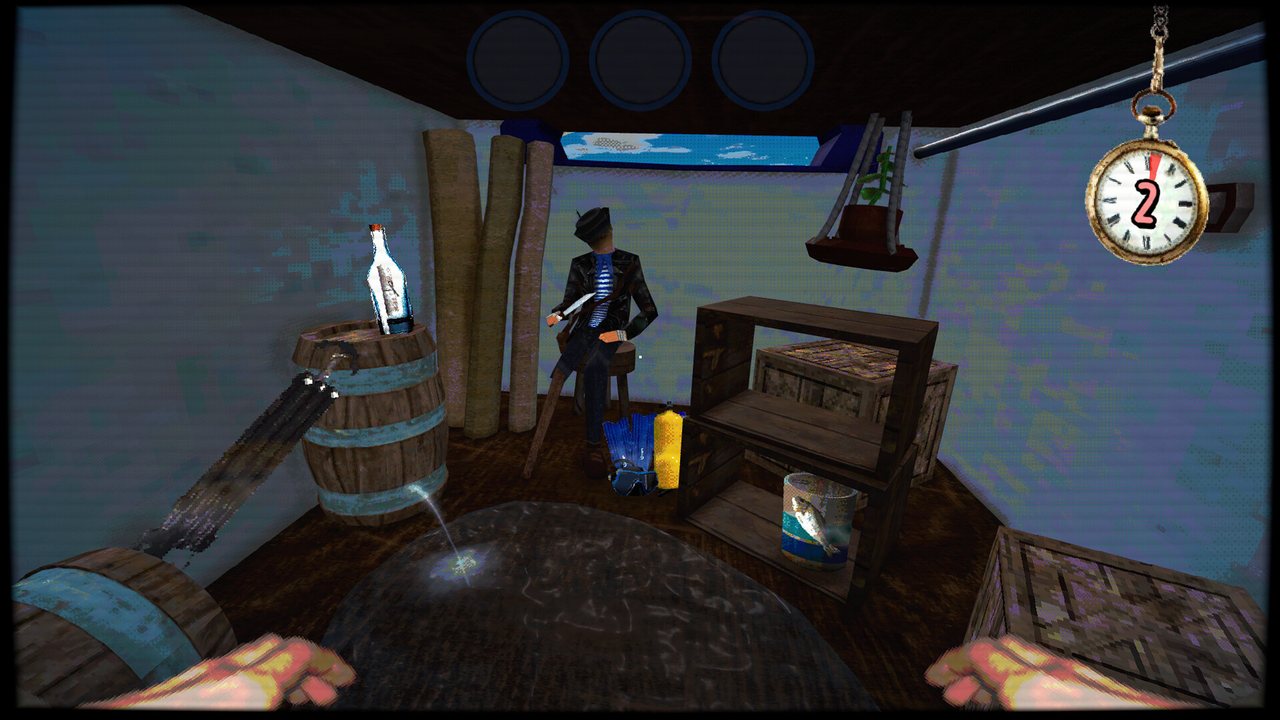
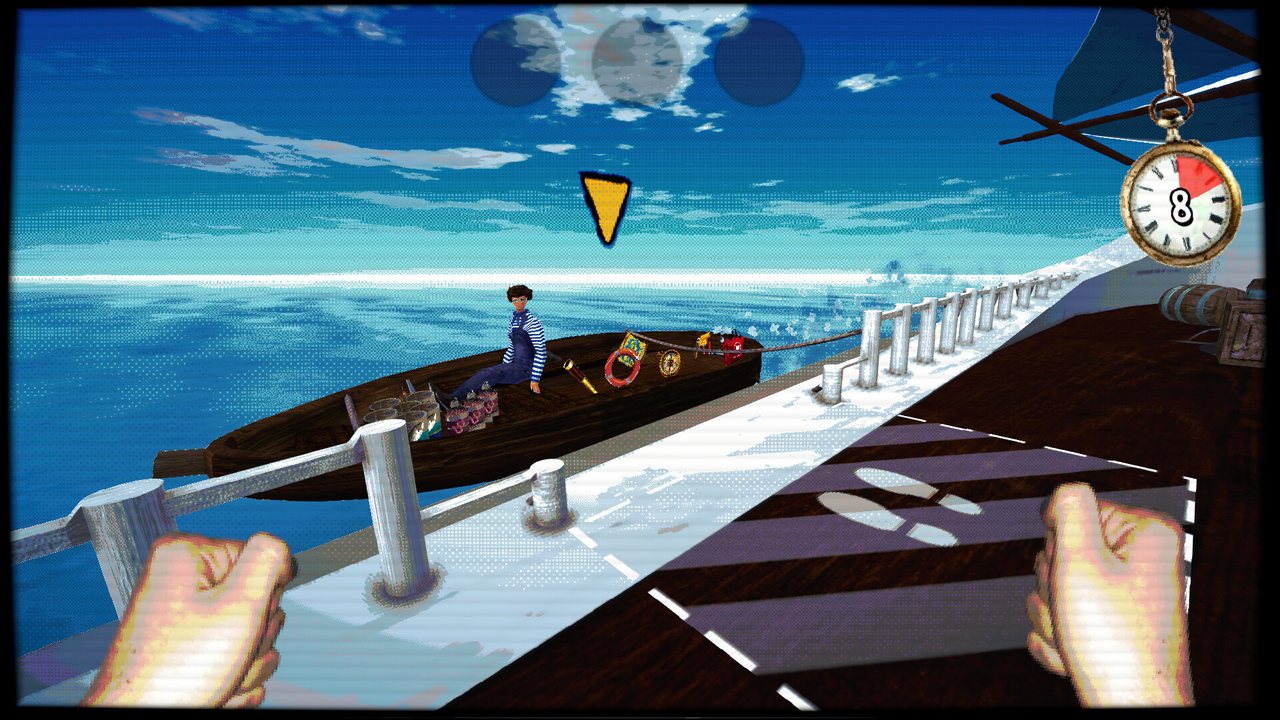
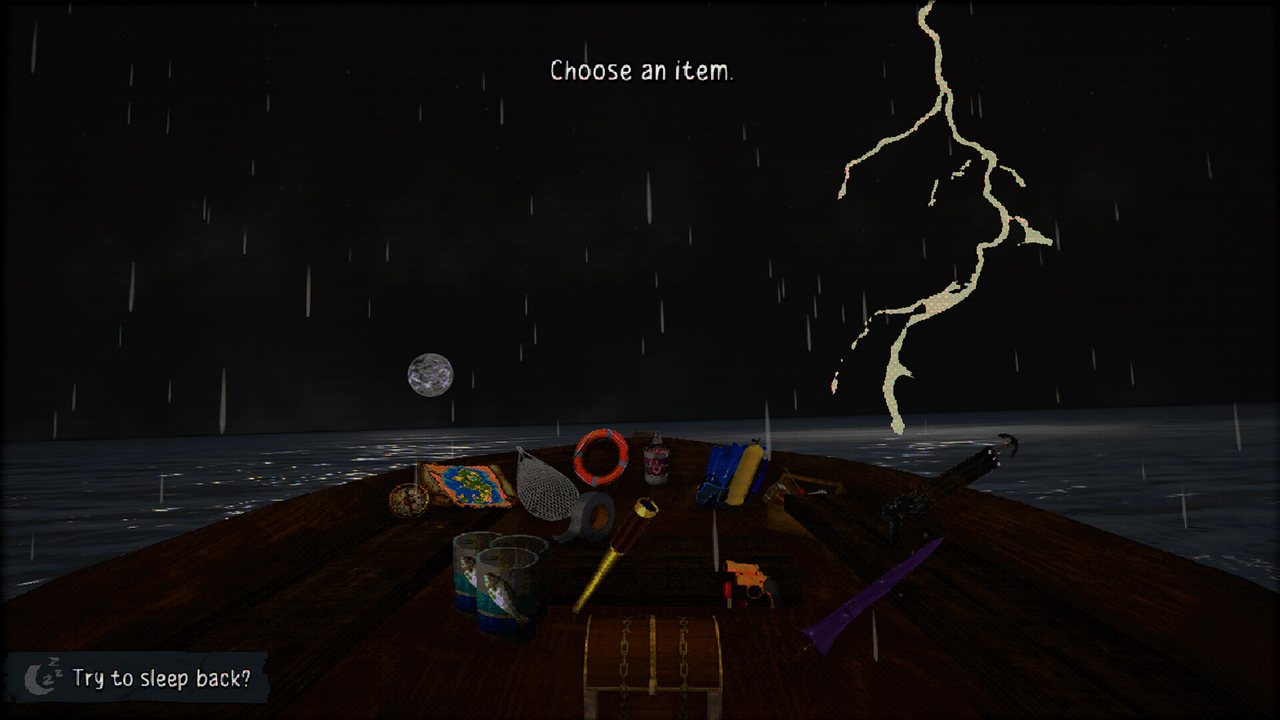
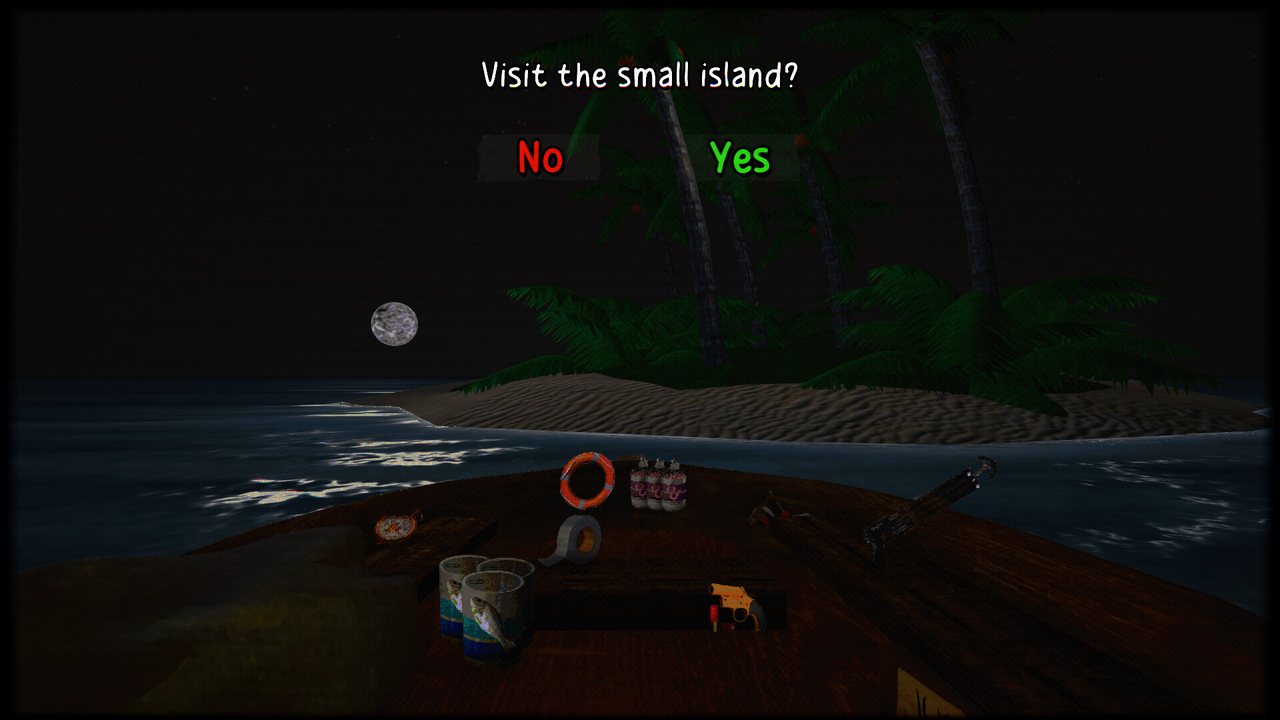
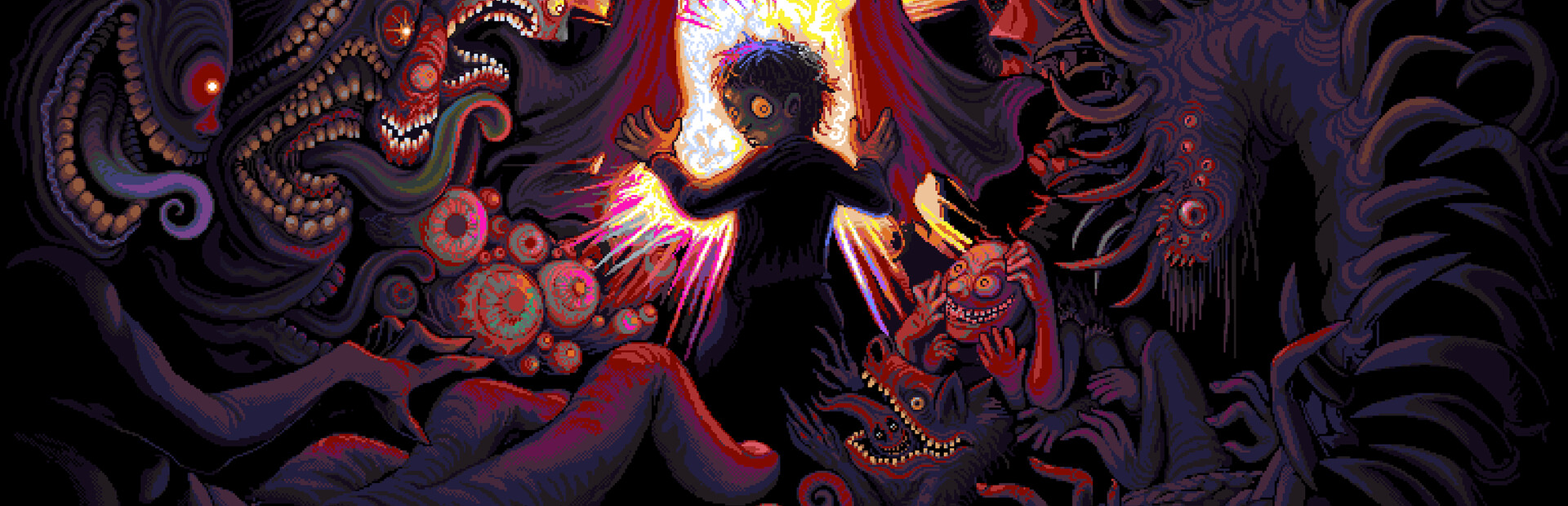
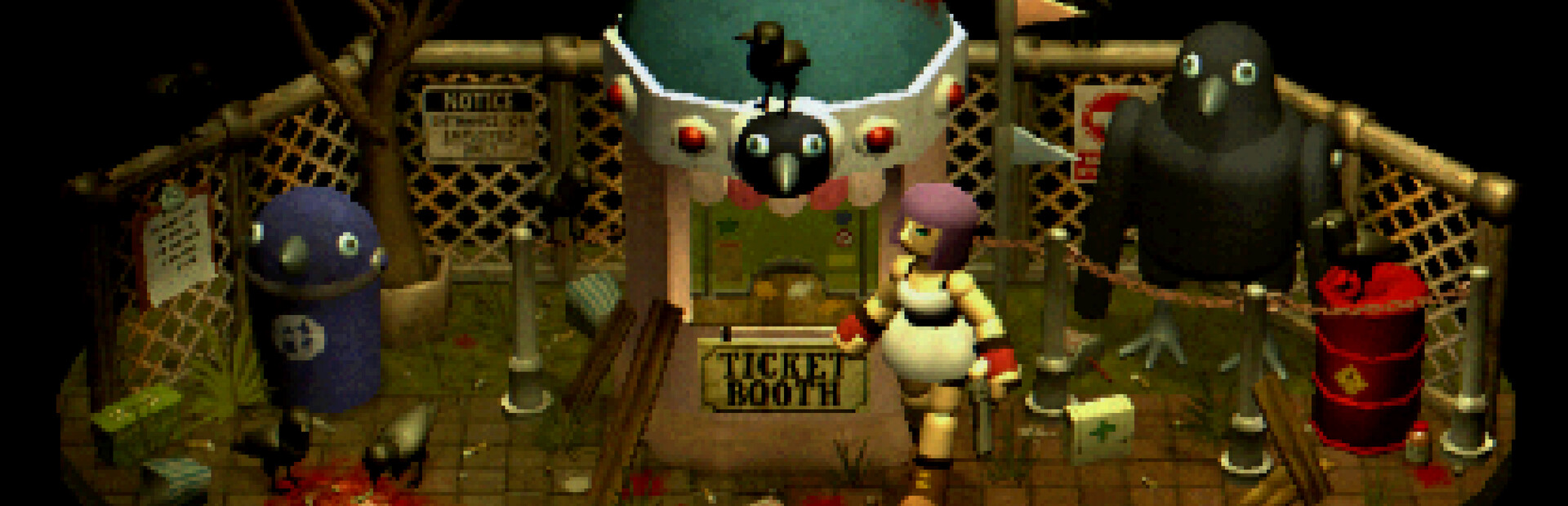
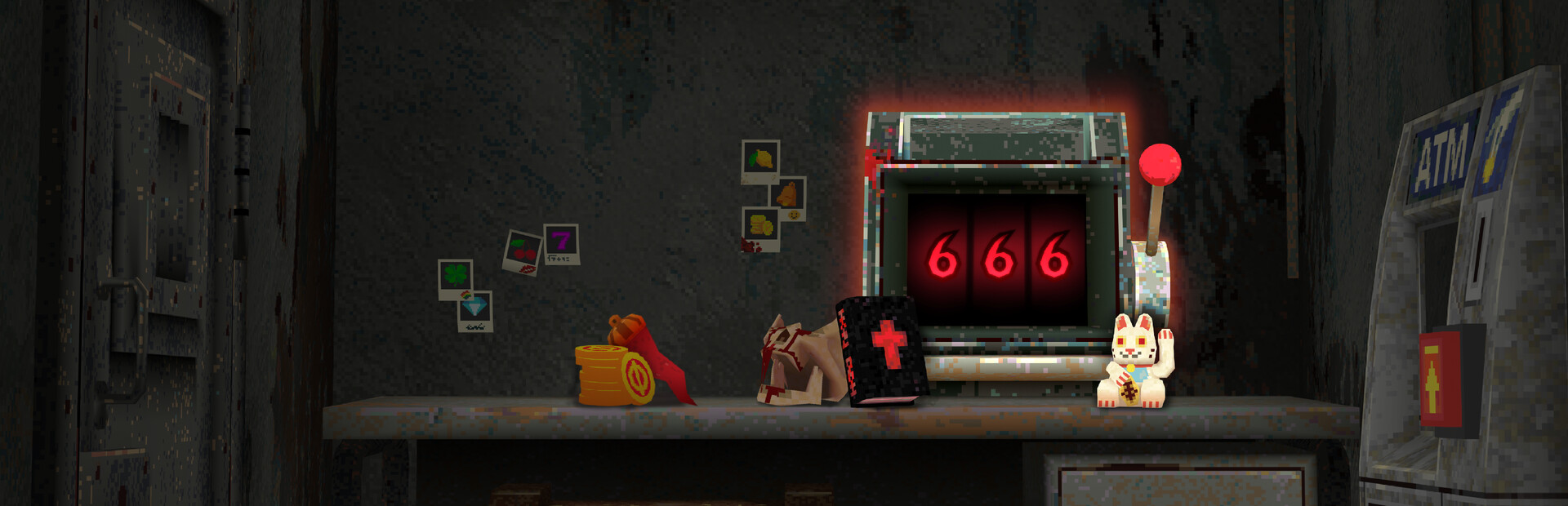
Images: official Steam store assets.
Development Story
This is a deliberately small game from a very small team, and the design reflects that constraint. Instead of spreading systems thin, the developers built one strong hook — the sinking-ship timer — and made every other system answer to it: the inventory you can carry, the single passenger slot, the resources that run out at night.
The PSX-era presentation is not nostalgia for its own sake. Blurry textures, chunky polygons and a grain filter let a tiny team deliver dread without expensive art, and hide the creature in the water rather than modelling it — an approach borrowed from vintage horror and Cthulhu fiction alike.
Why It Succeeded
At $1.99, Don't Sleep With The Fishes found an audience through streamers and short-form video rather than marketing. The "60 seconds to decide" structure is unusually clip-friendly: viewers can see the whole opening hook before deciding whether to buy. By September 2026 it held a Very Positive rating with around 94% of 700-plus Steam reviews recommending it, and its Chinese-language store page made it a popular import in mobile porting communities as 海上60秒 / 别陪鱼入眠.
- Released June 26, 2026 at $1.99 with a $1.79 lowest recorded price
- Around 94% positive across 700+ Steam reviews
- Chinese localisation drove strong word of mouth as 海上60秒
- Review volume suggests roughly 30,000 copies sold (estimate)
- A full playthrough fits in one or two hours, which keeps refund rates low
Lessons for Indie Developers
- One minute of visible decision-making can sell an entire game in a clip.
- A tiny budget forces focus: one hook executed well beats five systems done halfway.
- Restraint in horror — hiding the monster — costs nothing and scares more.
- Short, cheap and complete turns refunds into review goodwill.
- A single price point of $1.99 removes almost all purchase friction.