Overview
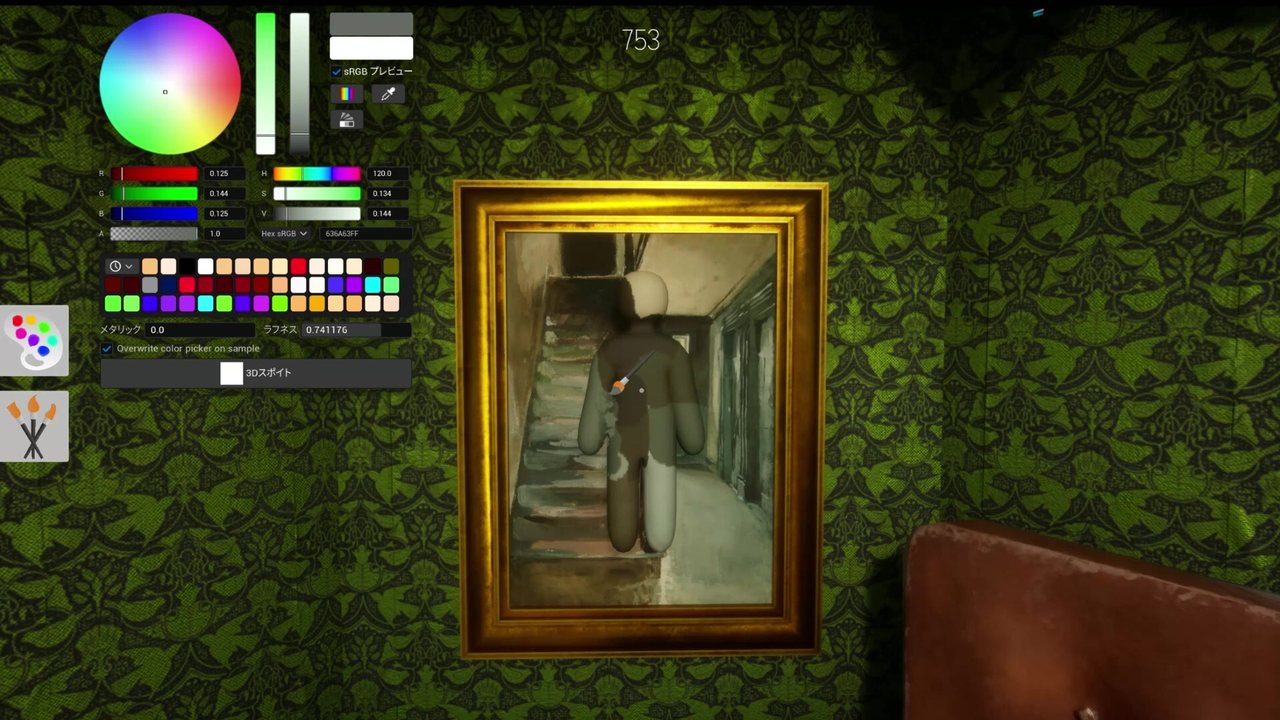
MECCHA CHAMELEON is an asymmetric multiplayer hide-and-seek game with one brilliant twist: there are no preset hiding spots. Instead, you paint your own character to match any surface in the level — walls, carpets, bookshelves — using a full color wheel, eyedropper sampling and material sliders, then freeze in a pose and pray the seeker walks past.
It was made in about two months by two Japanese creators — programmer lemorion_1224 and artist Haganeiro — with zero advertising spend, and self-published on Steam on June 10, 2026 at $5.99 (¥26 in China). It sold 1 million copies in 4 days, 10 million in 16 days, 15 million by July 5 and over 20 million by August 12, with a peak of roughly 340,000 concurrent players — one of the fastest-selling indie games in Steam history. A Nintendo Switch 2 version followed on September 9, 2026.
Gameplay
Matches split players into hiders and seekers across maps like a mansion, an indoor farm, a sewer, backrooms, a penguin hotel and later collab maps (including one with Exit 8). Rounds are short, lobbies run 2-24 players, and the painting system is deep enough that disguising as a specific row of book spines is a legitimate strategy.
- Paint to hide: sample exact surface colors with a 3D eyedropper, then adjust metallic and roughness so your body catches light correctly.
- Pose and freeze: crouch or lie down to match object silhouettes; whistles let you taunt seekers.
- Seek and scan: hunters sweep the map for wrong outlines, odd shadows and color mismatches before time runs out.
- Modes: Classic hide-and-seek, Infection (caught hiders become seekers), Double (everyone hides, then everyone hunts) and custom private rooms.
- Community content: Steam Workshop maps and frequent official updates — new maps, poses (some via player contests) and features through v4.1.1.
Gallery
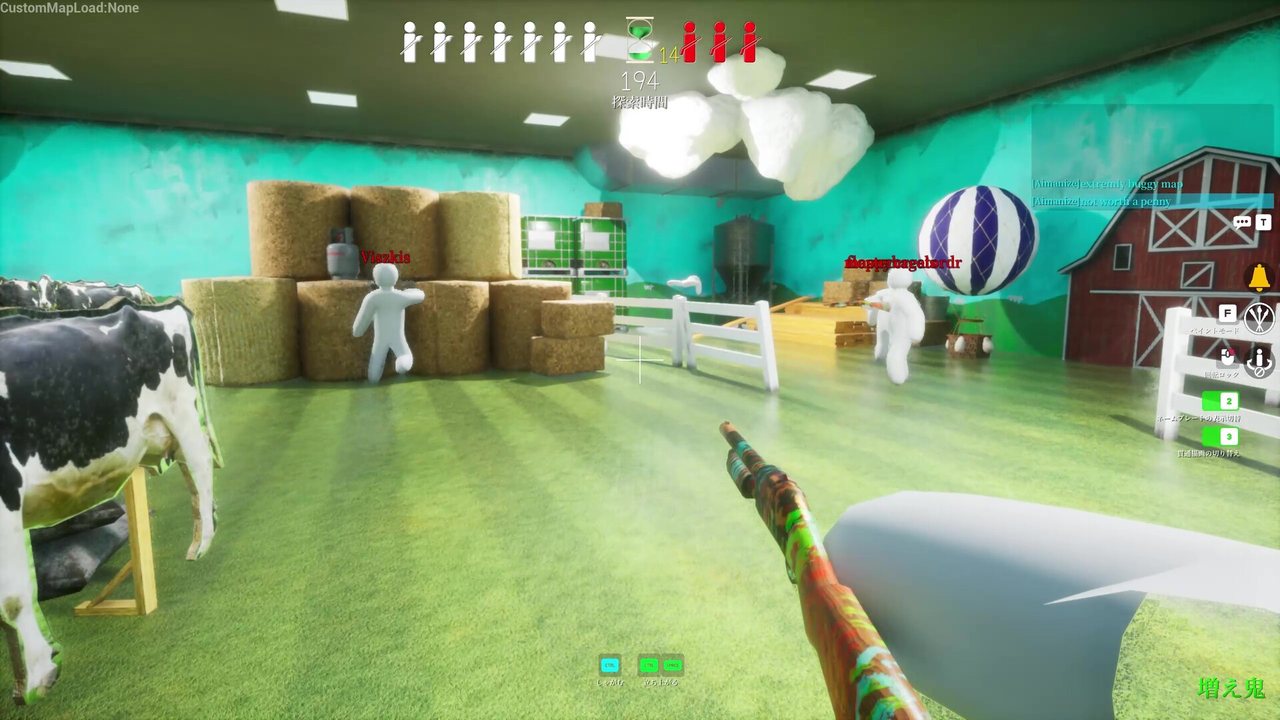
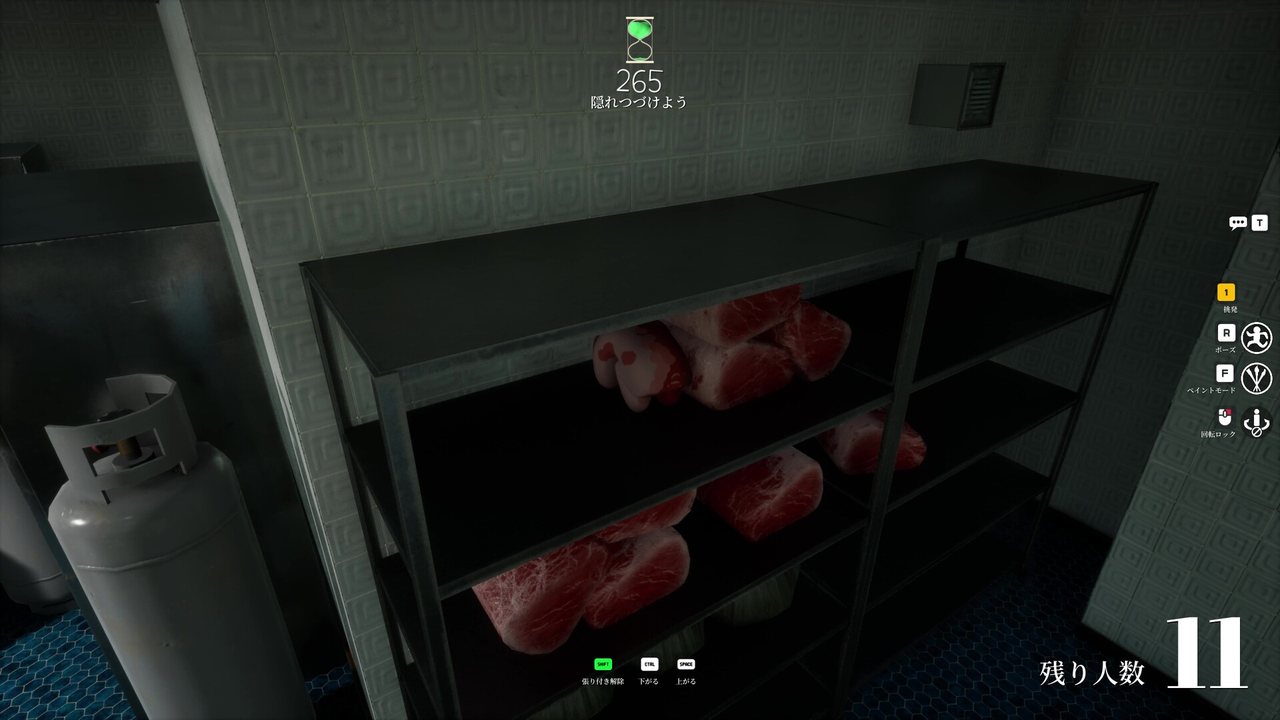
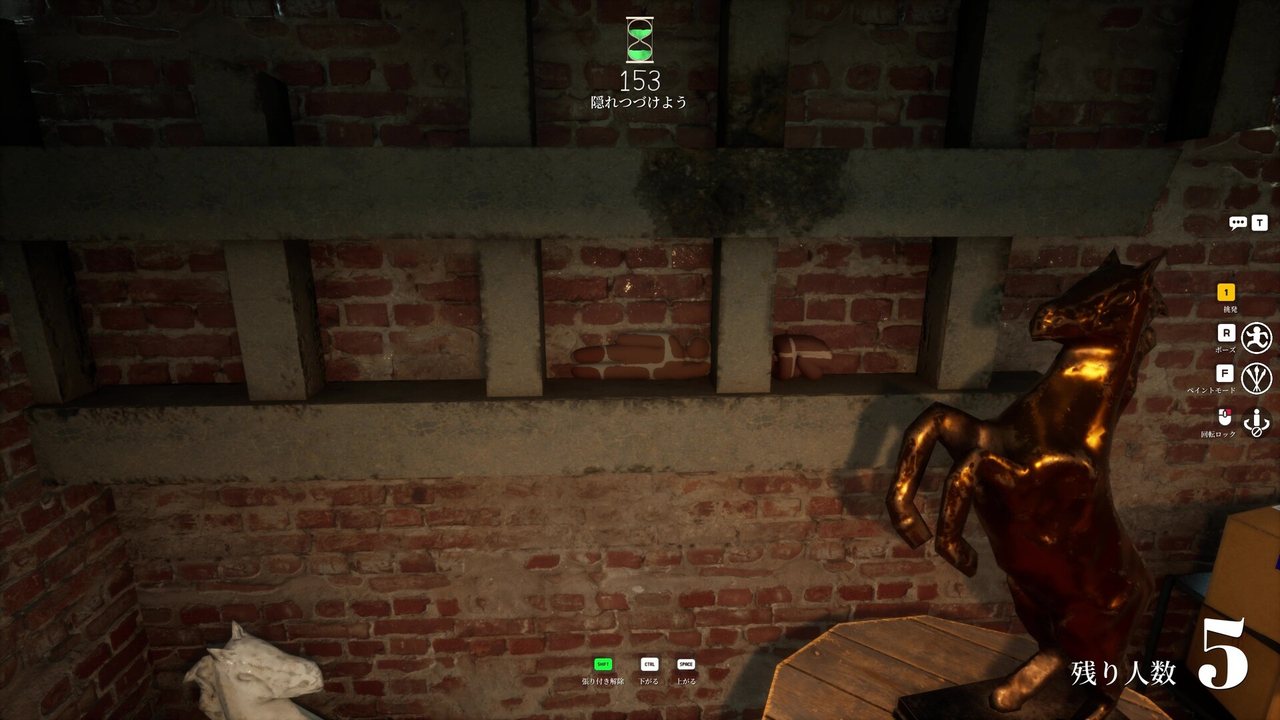
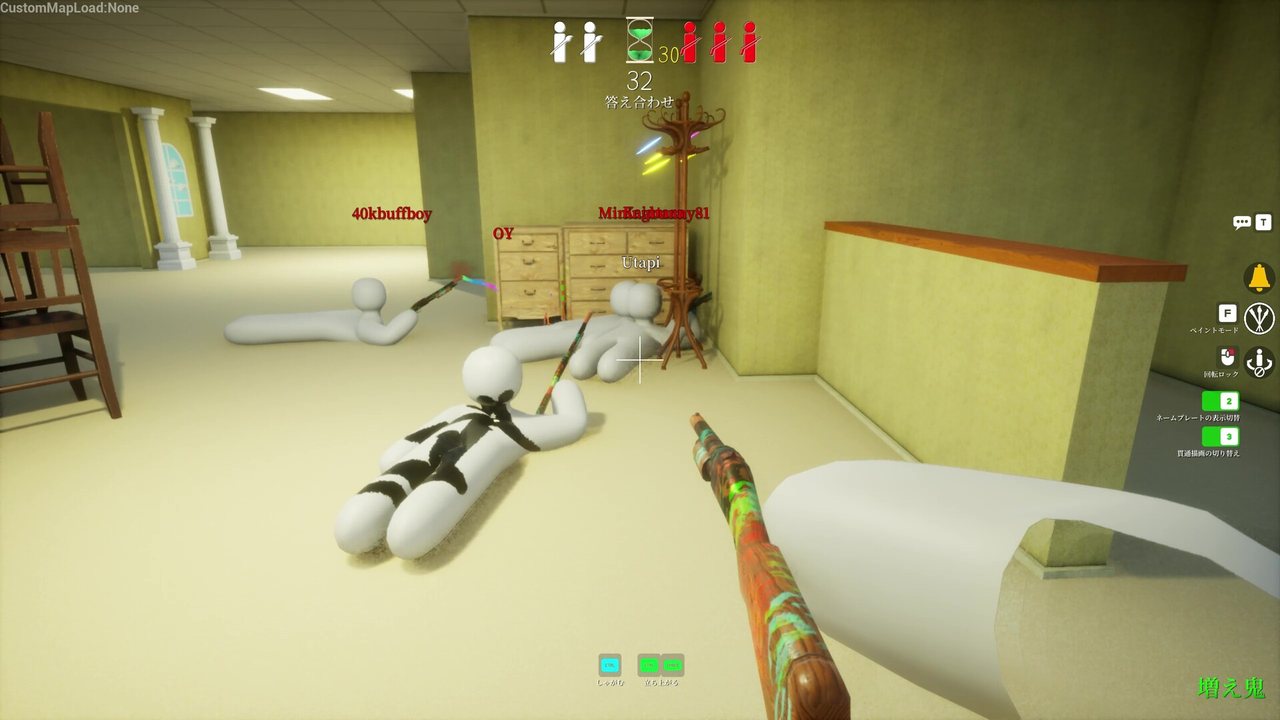
Images: official Steam store assets.
Development Story
According to co-developer Haganeiro, the game "only took 2 months" — roughly 4-5 months if you count the reused components from the duo's previous projects like Penguin Hotel and LINK Penguins. Their method: build the entire game at bare-minimum quality first so it always exists in a releasable state, then iterate. The Hide-and-Seek Mansion map alone consumed one of the two months, and three extra maps were cranked out in the final two weeks after playtest feedback.
Costs were near zero by design: no advertising, and free matchmaking via Epic Online Services meant no server bills. All promotion came from streamers, YouTube clips and word of mouth — related YouTube videos have amassed an estimated 93M+ views (est.). The game's revenue at $5.99 across 20M+ copies implies gross sales on the order of ~$90M (est.), before platform cuts and regional pricing.
Why It Succeeded
MECCHA CHAMELEON is the purest demonstration yet of clip-native game design: the game generates its own marketing every single match.
- Instantly legible clips: a streamer lying perfectly still disguised as wallpaper while a seeker hovers nearby needs zero explanation in any language.
- Zero marketing budget: Twitch, YouTube and TikTok did all promotion; the devs spent nothing on ads or servers.
- Friend-group multiplication: at $5.99, one clip convinces entire lobbies to buy together.
- A two-month build: asset reuse and a "make it exist first, perfect it later" pipeline kept costs trivial.
- Relentless updates: new maps (Osaka, Kyoto, an Exit 8 collab), poses and modes sustained momentum to 20M+ copies.
Lessons for Indie Developers
- One crystal-clear idea beats scope. Two sentences explain the entire game — and every clip of it makes viewers want to play.
- Make viewers understand the game without playing it. If a 30-second clip can sell your game, streamers become your free marketing department.
- Ship the bare minimum first. Build the whole game at minimum quality, then improve it — you always have something releasable.
- Reuse everything you own. Backend systems from previous projects cut the dev cycle to two months and infrastructure costs to zero.
- Price for impulse group buys. $5.99 turned "my whole friend group should get this" into an instant yes.
- Keep feeding a viral hit. Weekly maps, poses and community contests converted a flash trend into 20M+ copies.
FAQ
How many copies has MECCHA CHAMELEON sold?
Who made MECCHA CHAMELEON and how long did it take?
How much money did MECCHA CHAMELEON make?
Is MECCHA CHAMELEON on consoles?
Sources
- Hide-and-seek game 'Metcha Chameleon' surpasses 20 million units sold - Gamemeca
- Meccha Chameleon has now sold over 20 million copies - Gamereactor
- Meccha Chameleon developers say the secret behind their 2-month dev cycle is asset reuse and a "make it exist first, perfect it later" approach - AUTOMATON WEST
- Meccha Chameleon: How a game created in two months became the biggest Steam phenomenon of 2026