Overview
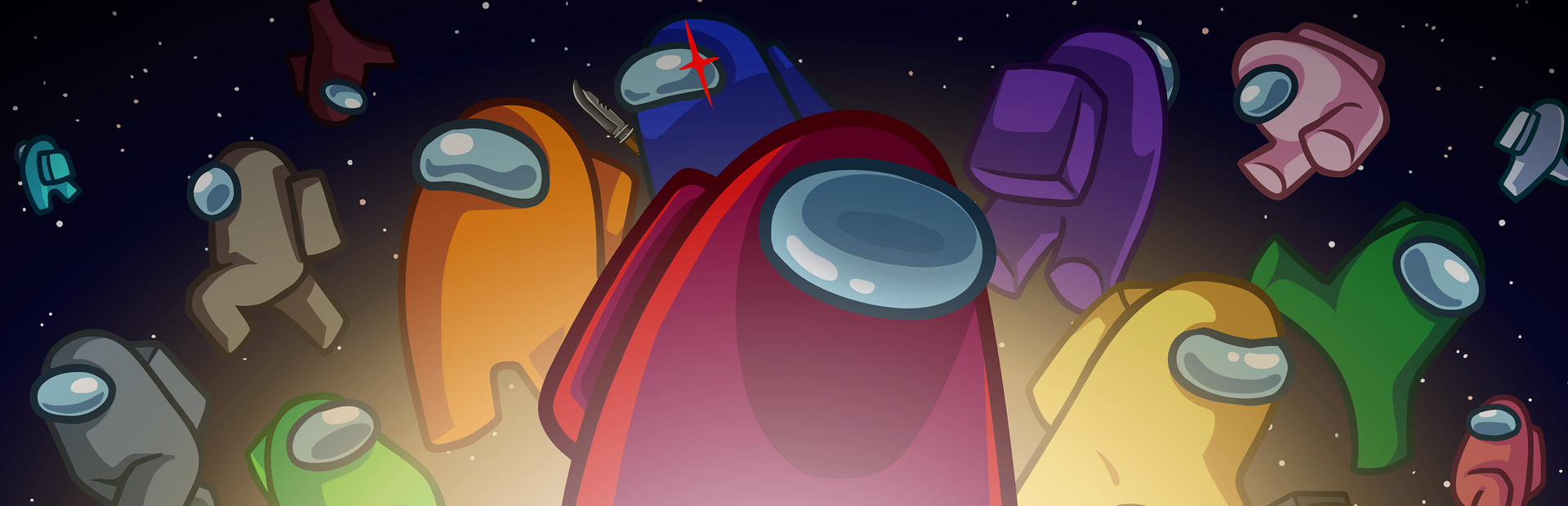
Among Us is an online multiplayer social deduction game for four to fifteen players. Most players are Crewmates completing tasks aboard a spaceship; one or more secret Impostors sabotage the ship and kill Crewmates, then lie about it during emergency meetings where everyone votes to eject a suspect.
Innersloth, a three-person studio in Redmond, Washington, built it in about 18 months as a digital take on the party game Mafia, inspired by the film The Thing. It launched on mobile in June 2018 and on Steam on November 16, 2018 for $4.99 — and for nearly two years almost nobody played it.
Gameplay
The genius is that the game supplies almost none of its own content: the players do. The rules are simple enough to explain in a minute, but liar's-poker deduction and voice chat create endless emergent drama — which is exactly why it worked on stream.
- 4-15 players, one to three Impostors per round
- Five maps including The Skeld, MIRA HQ, Polus, The Airship and The Fungle
- Task minigames, sabotage, vents, cameras and admin table
- Emergency meetings with text or voice chat and majority voting
- Extra roles added later, including Shapeshifter and Guardian Angel
- Cross-platform play between PC, mobile and consoles
Gallery
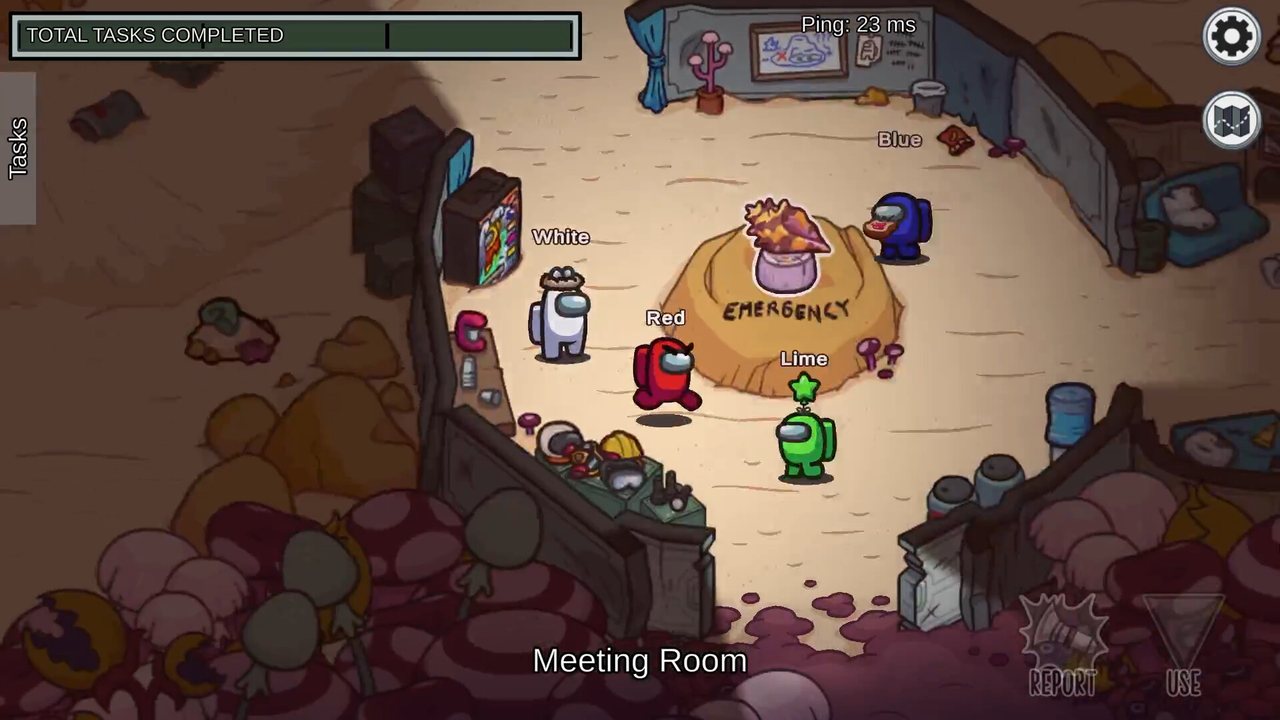
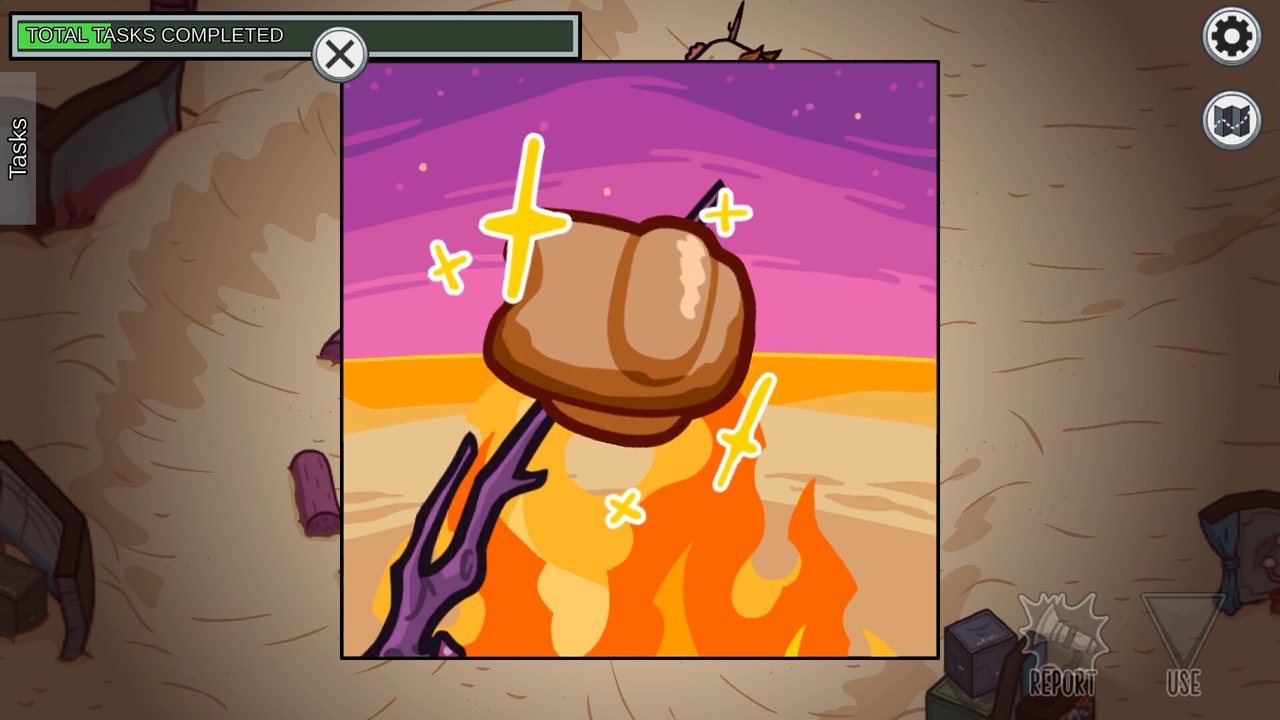
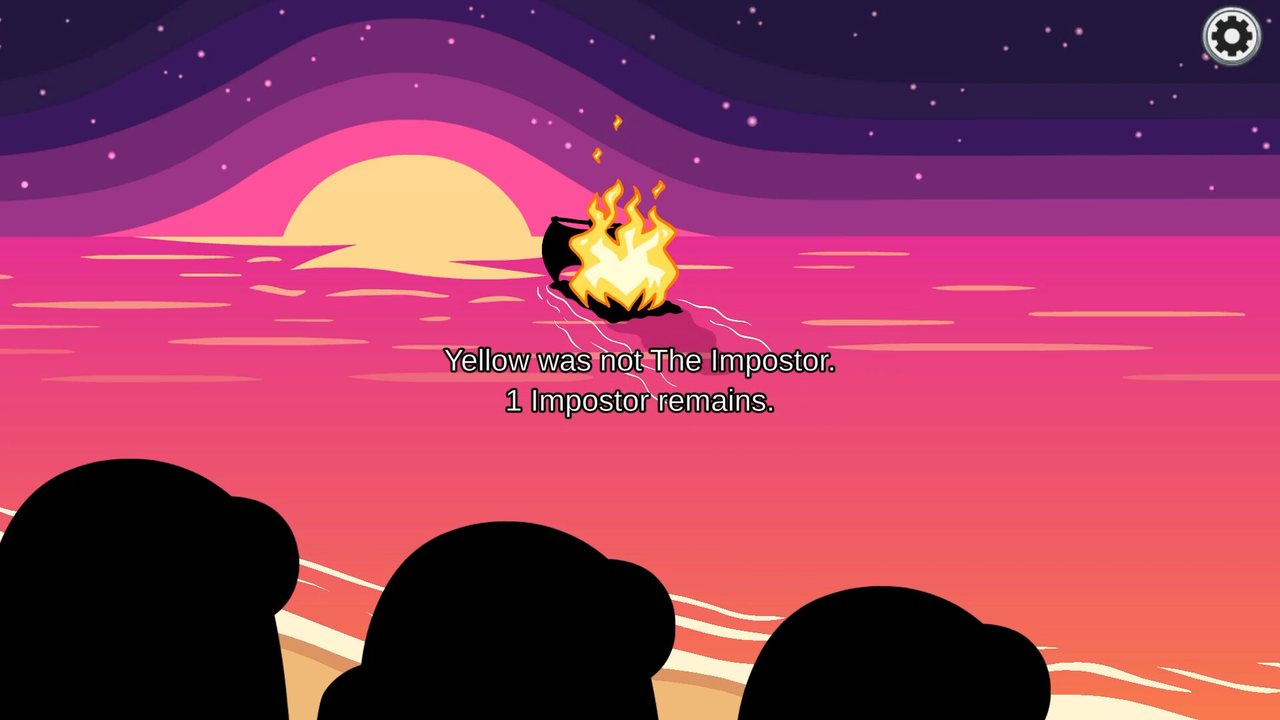
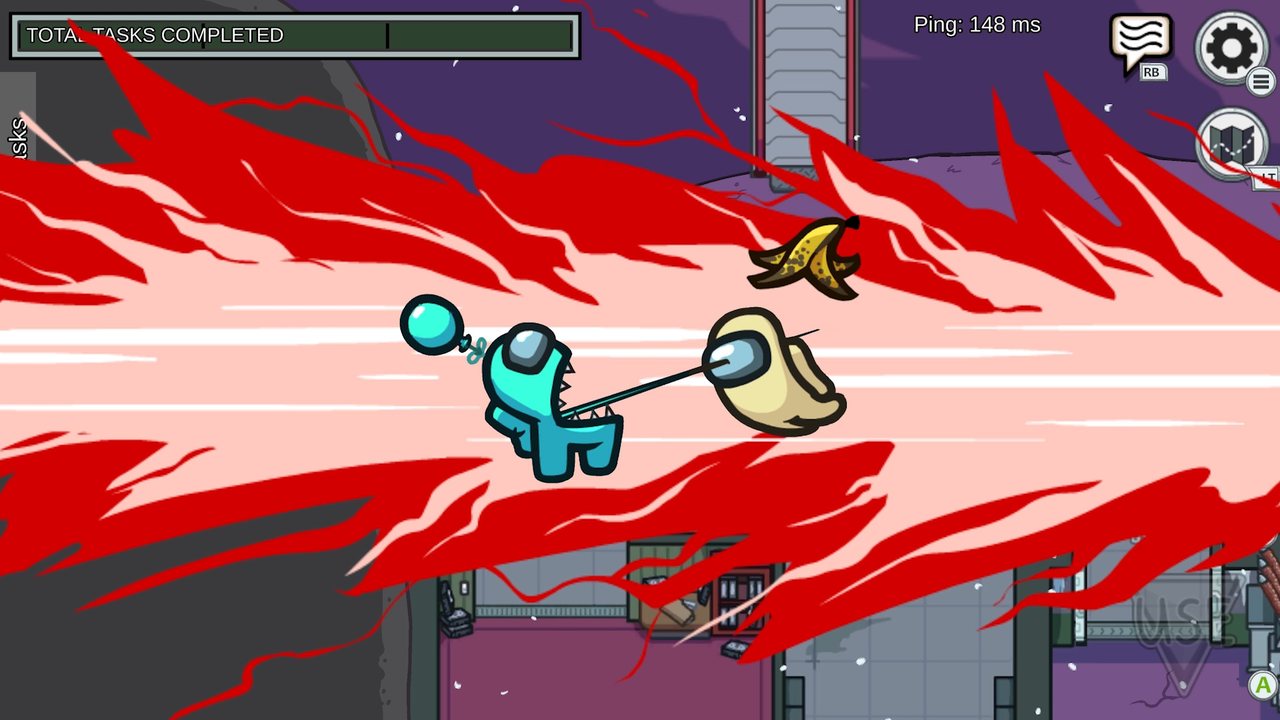
Images: official Steam store assets.
Development Story
Innersloth co-founders Marcus Bromander (PuffballsUnited) and Forest Willard, joined by artist Amy Liu, first met at Oregon State University. They had shipped the Henry Stickmin flash games and several failed multiplayer prototypes before starting Among Us in 2016.
With no publisher, no PR agency and no advertising budget, they released on mobile in June 2018 and on Steam that November. Sales were modest — fewer than 300,000 copies by early 2020 — and the team had publicly moved on to planning Among Us 2, treating the original as a legacy title. When the 2020 wave hit they cancelled the sequel and instead poured everything into updating the original, later adding a dedicated social channel and a full console release.
Why It Succeeded
The spike started in June 2020 when streamers such as Sodapoppin, xQc, Shroud and PewDiePie began playing it with friends. Concurrent Steam players went from a few thousand to about 50,000 in July, roughly 200,000 in August and over a million in September. Mobile downloads passed 70 million by August 2020 and 100 million by October, with cumulative mobile downloads above 217 million and about $39 million in mobile in-app revenue reported by November 2020. Innersloth described roughly 500 million monthly players at the peak, and the game stayed in Steam's top-selling charts for months.
- Fewer than 300,000 copies sold by early 2020
- 70 million downloads by August 2020, 100 million by October 2020
- About 500 million monthly players at the November 2020 peak
- Over 400,000 concurrent Steam players during the spike
- Console release followed in December 2020 (Switch) and December 2021
Lessons for Indie Developers
- A game that needs players as content should be cheap, simple and streamable.
- Two years of silence does not mean failure — distribution can arrive late and violently.
- A three-person team can out-execute studios of hundreds when the loop is elegant.
- When the wave hits, ship updates to the game people already own rather than a sequel.
- Design for the clip: if a round is not funny to watch, it will not be shared.