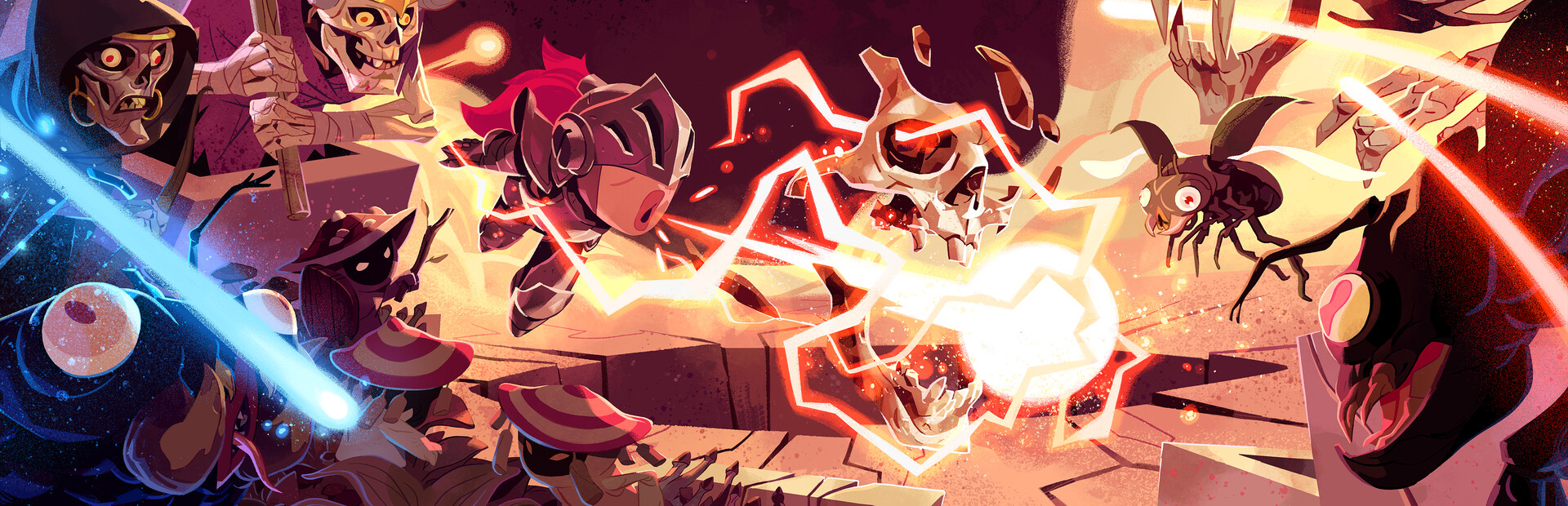
Overview
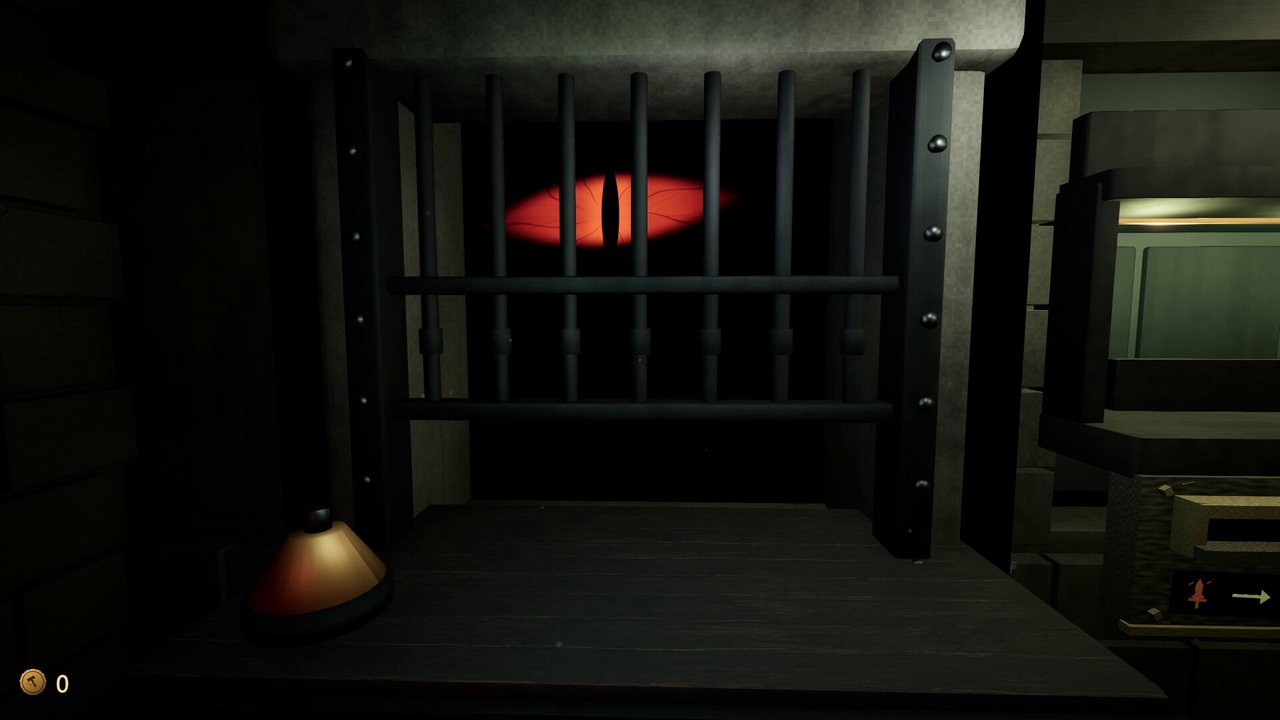
ForgeTax is a first-person roguelite with a premise so simple it sounds like a joke: you are a blacksmith imprisoned by a dragon, and the entire game is weapon upgrading. Heat the blade, put it on the anvil, strike to raise its value. Every successful hit raises the sword's price — and the odds it shatters on the next swing. Meet the dragon's tribute in valuable swords, or your run ends.
It launched on September 29, 2026 at $2.99, published by its sole developer — Jeongyu Kim, a Korean university student who built it as a small prototype. Within about a week it had sold 200,000+ copies (media estimates put the gross near $430K), peaked at 9,058 concurrent players, and exploded across TikTok, Bilibili and Twitch clips. Then the developer posted that he had to pause bugfixing to take his midterm exams.
Gameplay
The whole design is one risk curve, pushed to its limit:
- Every hammer strike raises blade value and break chance — decide each time whether to bank or to push
- The dragon's tribute forces you to give swords away, trading progress for survival
- The Relic Machine takes swords as currency, so one blade is本金, tribute and shopping money at once
- Forging the same sword 10 times charges a Frenzy window where shattering is disabled
- Relics bend odds, add protection or amplify greed — build a strategy from spare blades
- First-person presentation makes the tension physical and extremely clip-friendly
Gallery
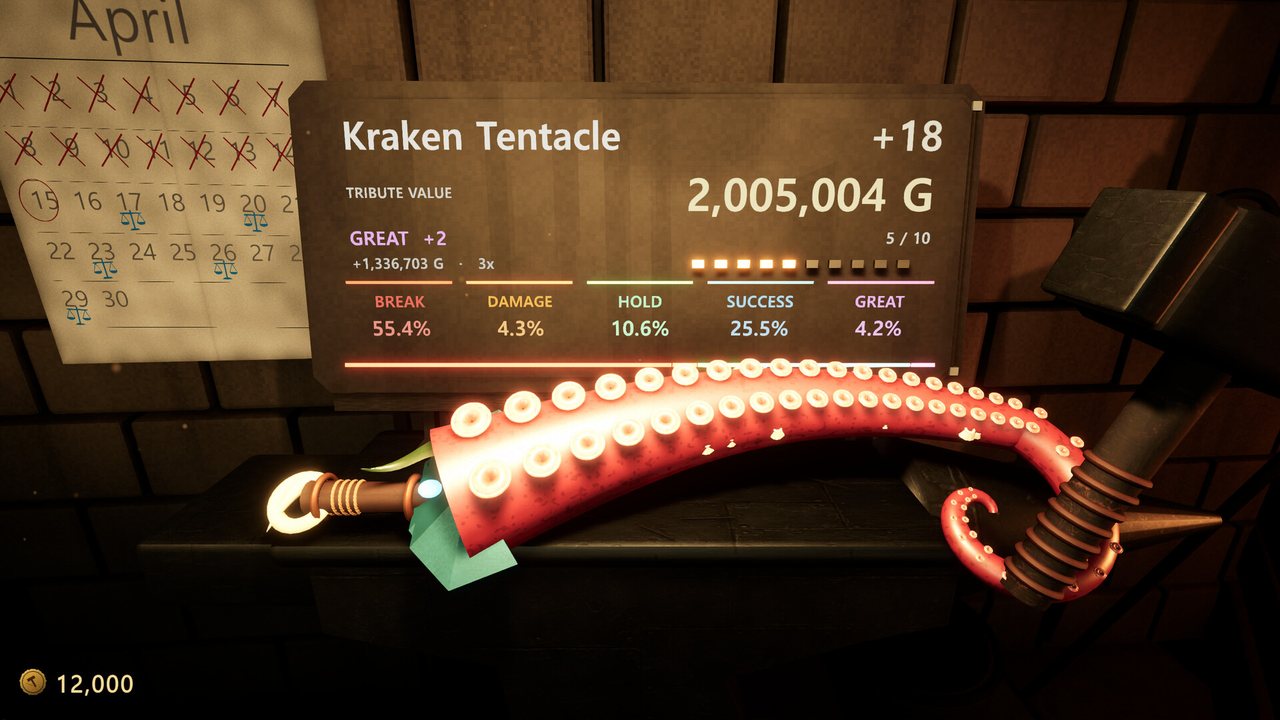
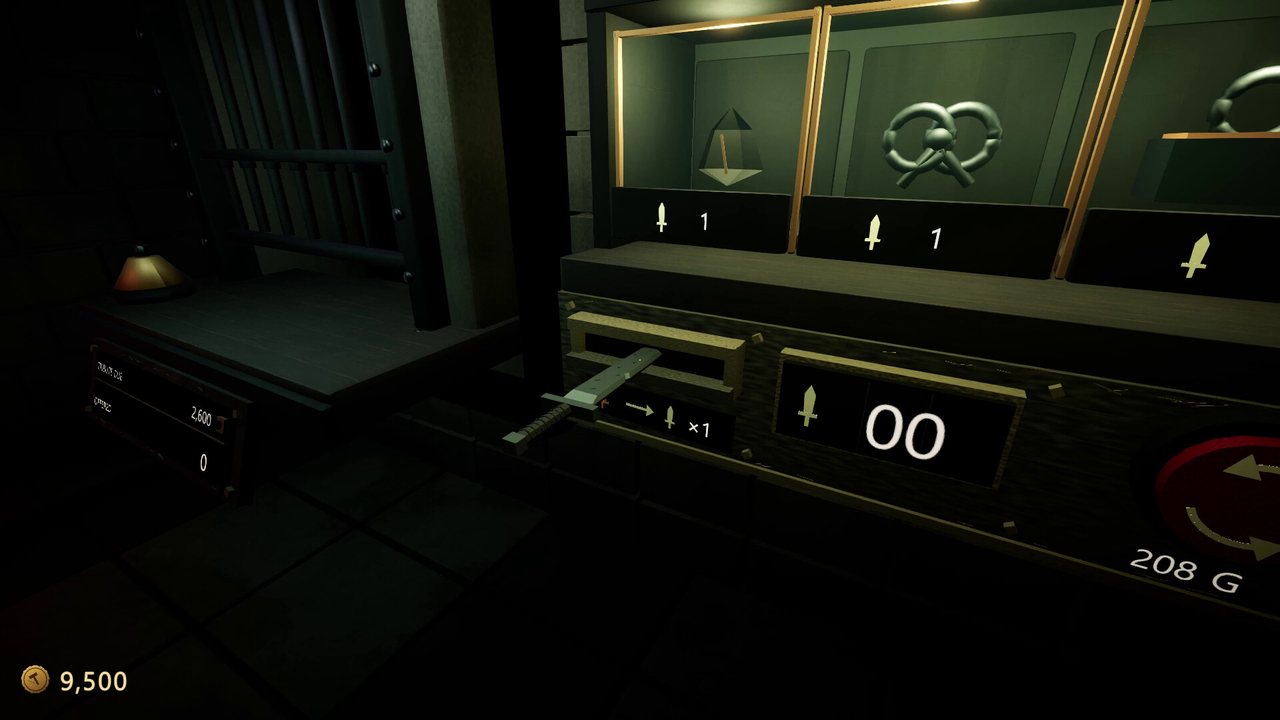
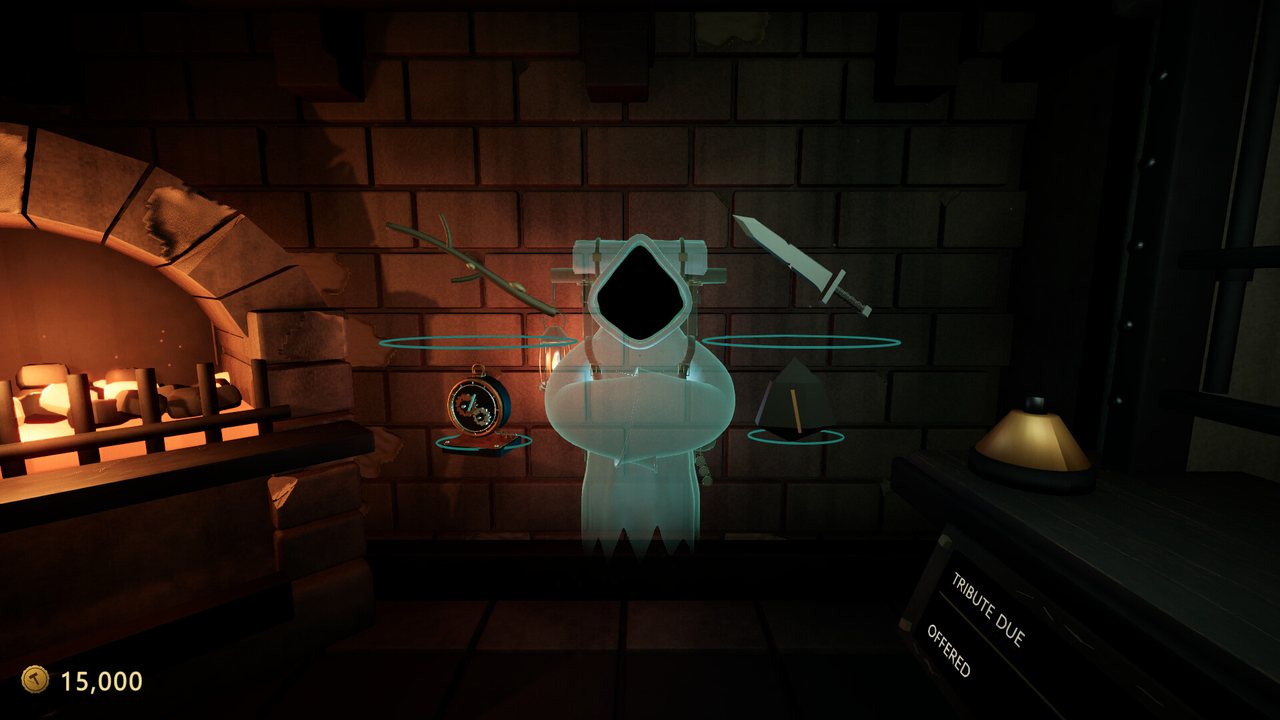
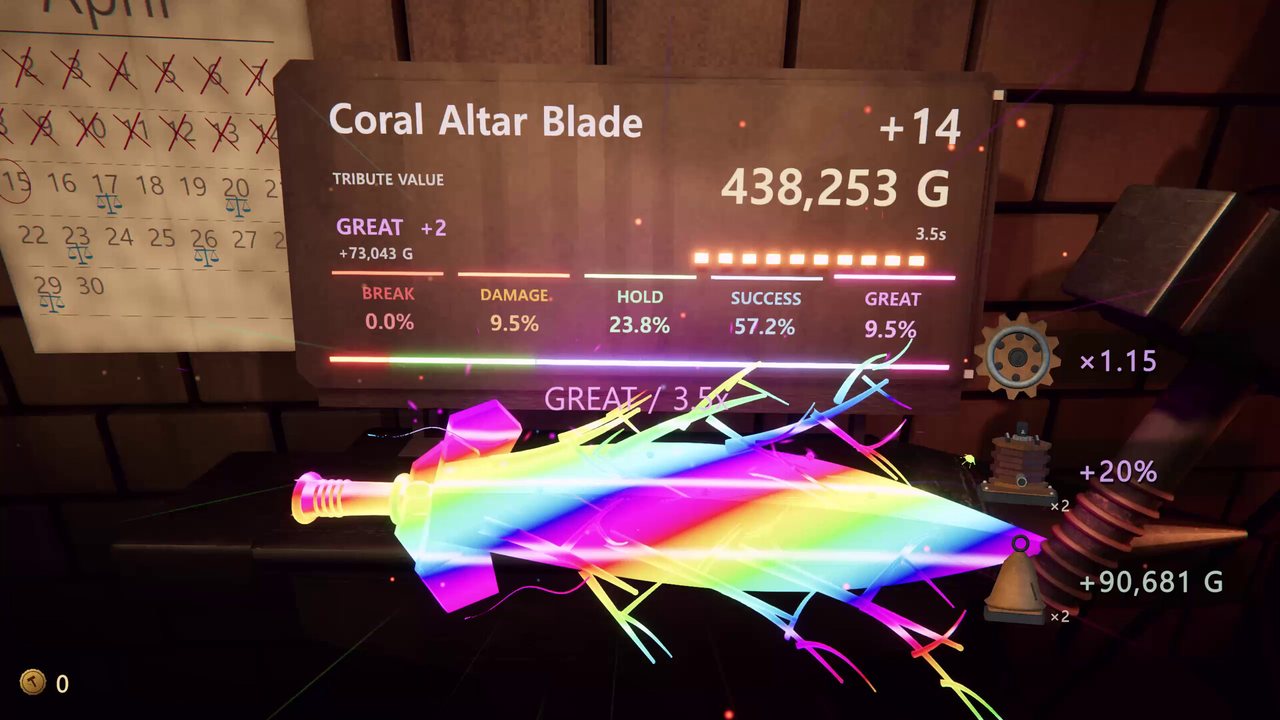
Images: official Steam store assets.
Development Story
ForgeTax is the purest possible version of a "systems-first" indie project. Jeongyu Kim took one mechanic every MMO player already understands — the dopamine of upgrading gear and the fear of losing it — and made that fear the entire game. No combat, no story branches, no scope creep: the prototype grew into the shipped game, at $2.99 with nine launch languages including Simplified and Traditional Chinese.
The launch story is now part of the case study: the solo student suddenly had 200,000 customers, 600+ mixed reviews to answer, and midterm exams on the calendar. He publicly chose exams first — and the community reaction became its own marketing loop.
Why It Succeeded
Reviews landed at roughly 50-55% positive — Mixed — and the game sold anyway. Viewers didn't need the game to be polished; they needed it to be watchable. Every shattered blade is a clip, every lucky streak is a clip, and the first-person camera means the audience feels the swing.
- 200,000+ copies sold in roughly the first week at $2.99
- ~$430K gross in week one (media estimate) for a student solo project
- All-time peak of 9,058 concurrent players on October 8, 2026
- Millions of views on Bilibili/TikTok clip culture with zero marketing spend
- Proof that a Mixed review score does not stop a viral hook
Lessons for Indie Developers
- One universally-understood mechanic (weapon upgrading) can carry an entire game.
- A $2.99 price removes hesitation and turns virality into instant conversions.
- Streamability is a design feature: make the risk legible from the audience's side.
- An honest Mixed score can coexist with huge sales if the hook is strong enough.
- Solo scope discipline — no combat, no story — is what let a student ship at all.