Overview
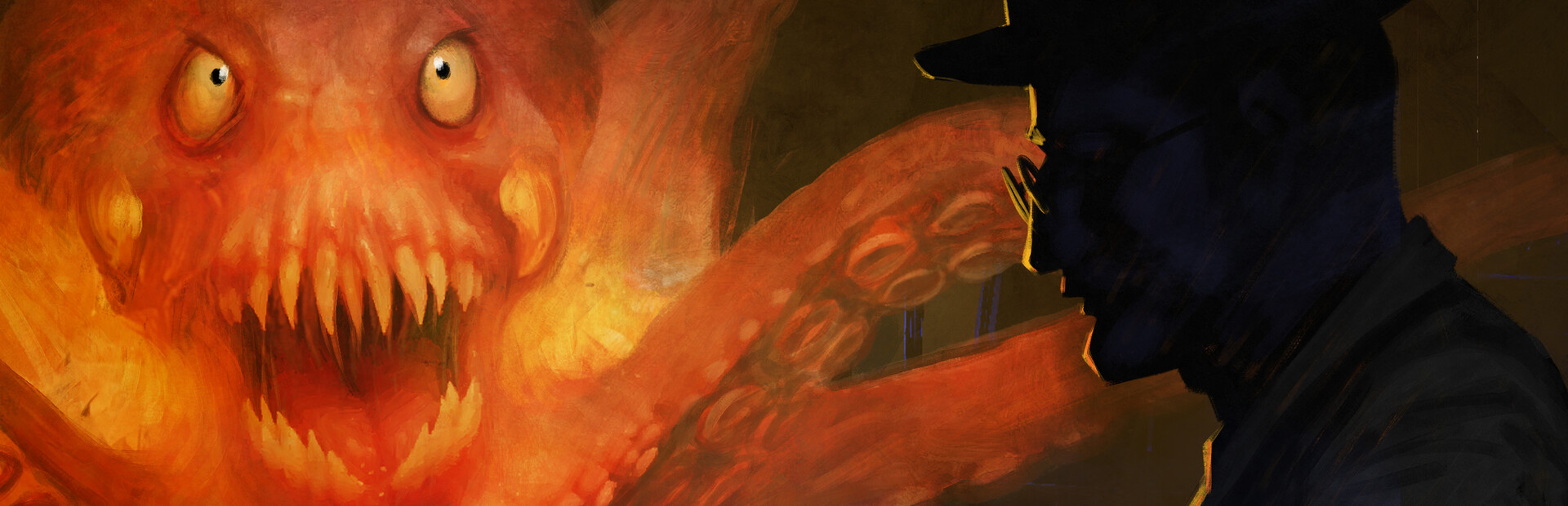
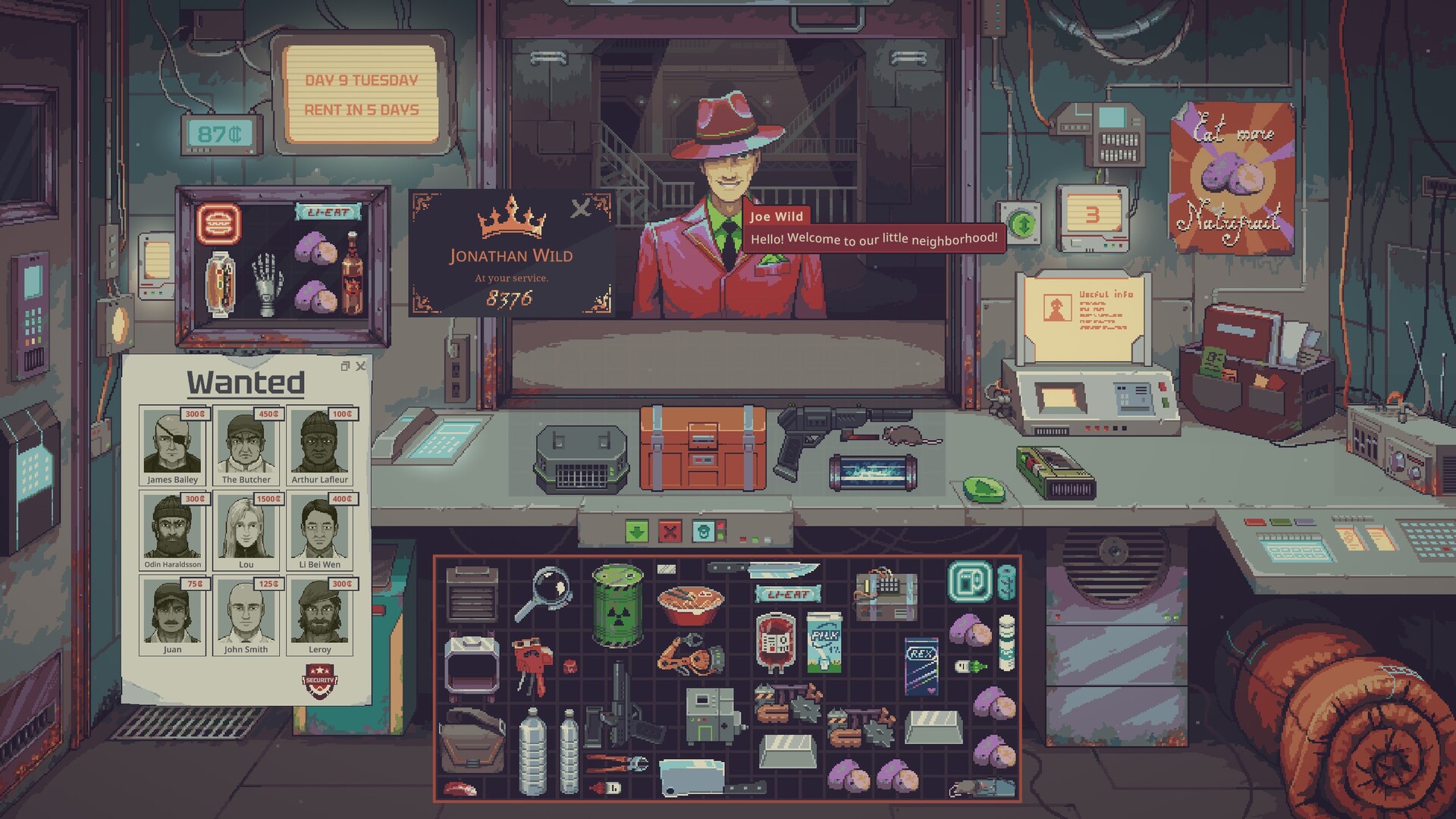
Probably Stolen is a cyberpunk shopkeeping simulator set on a dystopian space station split by wealth and corruption. You run a pawnshop in the Lower Levels: appraise goods of questionable origin, craft and smuggle merchandise, read customers who may be Security or revolutionaries, and earn enough to stay ahead of rising rent.
Questing Goose Studio, a micro-team based in Montreal, built it; tinyBuild published it. After a demo that drew roughly 700,000 players and 98% positive feedback, the game launched on October 28, 2026 at $19.99 and sold more than 500,000 copies in two days with 96% positive Steam reviews.
Gameplay
Every day is a loop of buying, appraising, pricing and surviving. The twist is risk: goods are probably stolen, and the person selling them may be a cop, a rebel, or something worse.
- Pick a trade: gunsmith, chemist, water merchant, fence or farmer — each product line has its own margins and failure modes.
- Appraise under pressure: hidden item risk, quality cuts and haggling decide whether a sale is profit or a visit from Security.
- Pay the rent: costs climb every week, pushing you toward deals you would rather refuse.
- Read the room: factions test your loyalty, and rogue AI-augmented customers are a threat every faction wants gone.
- Upgrade the shop: reinvest in tools, stock and security to survive the next rent cycle.
Gallery
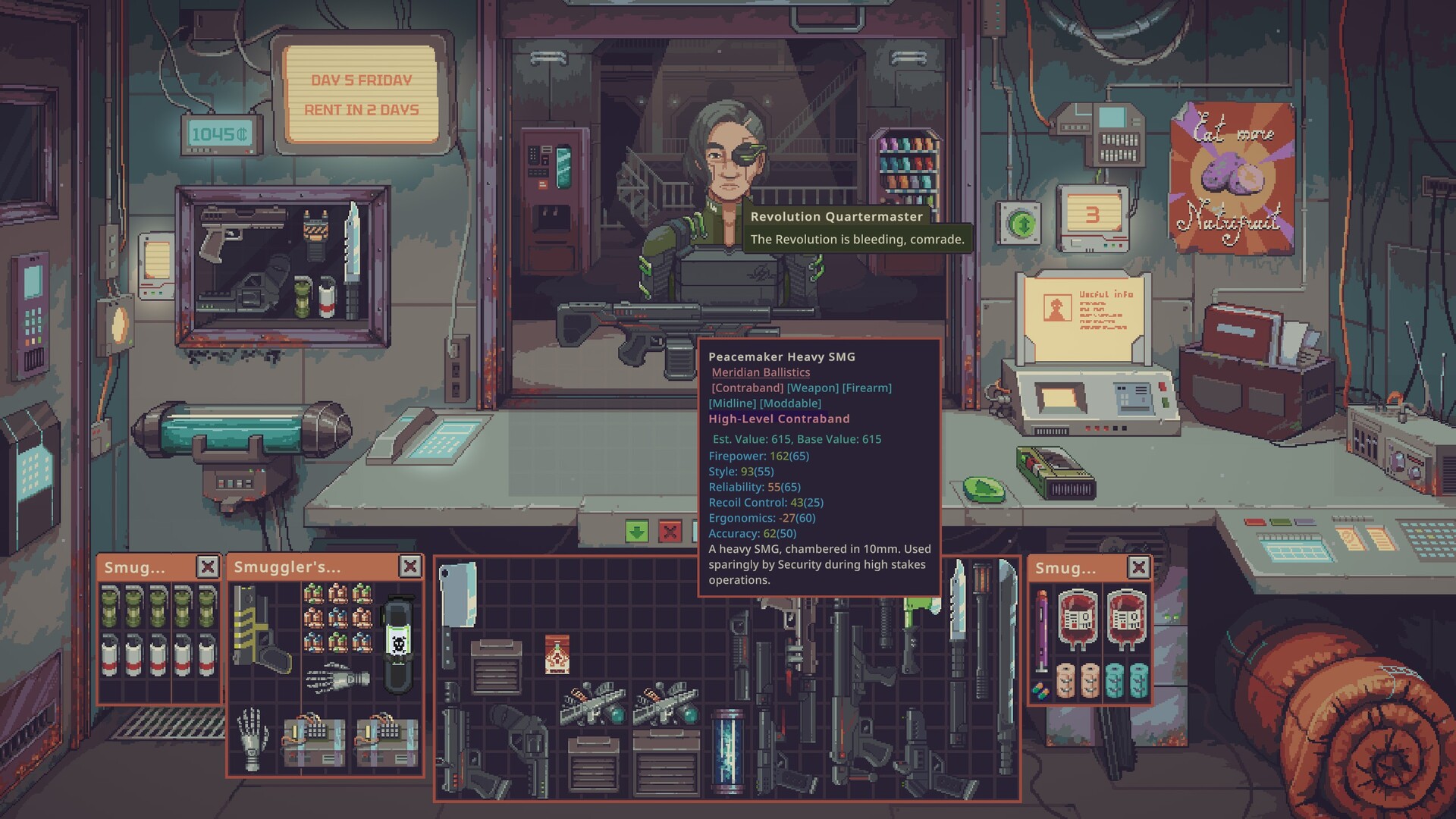
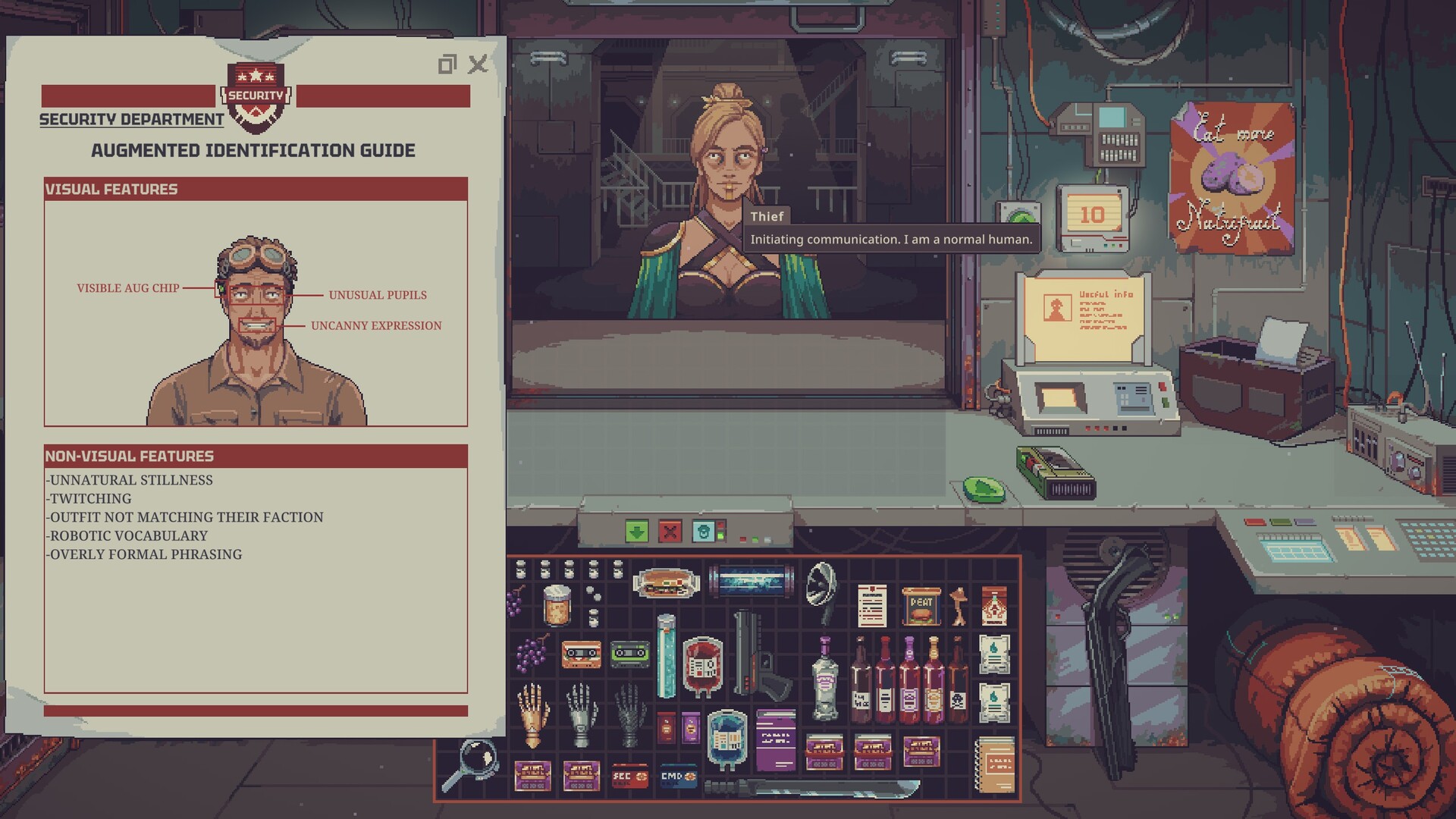
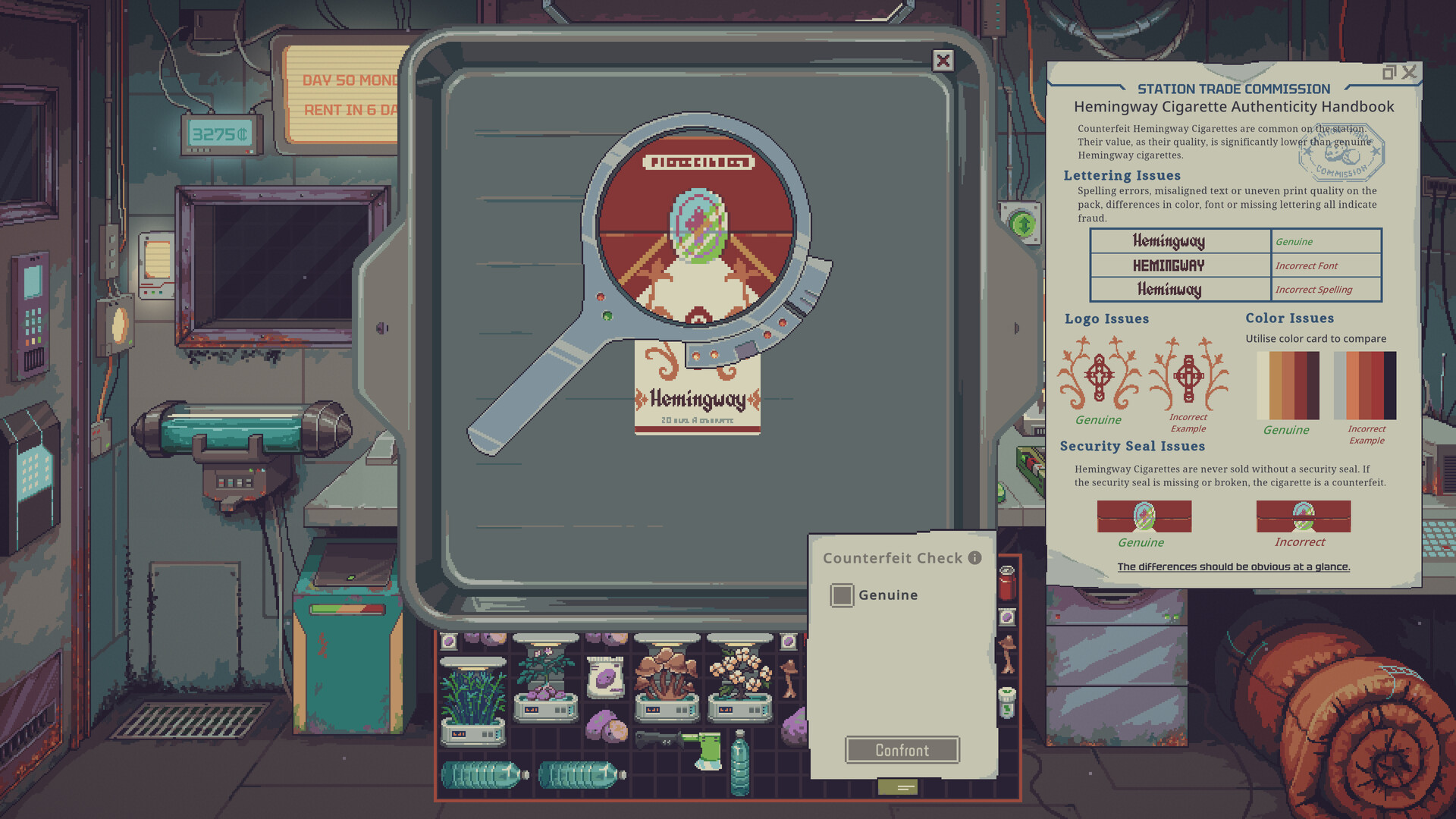
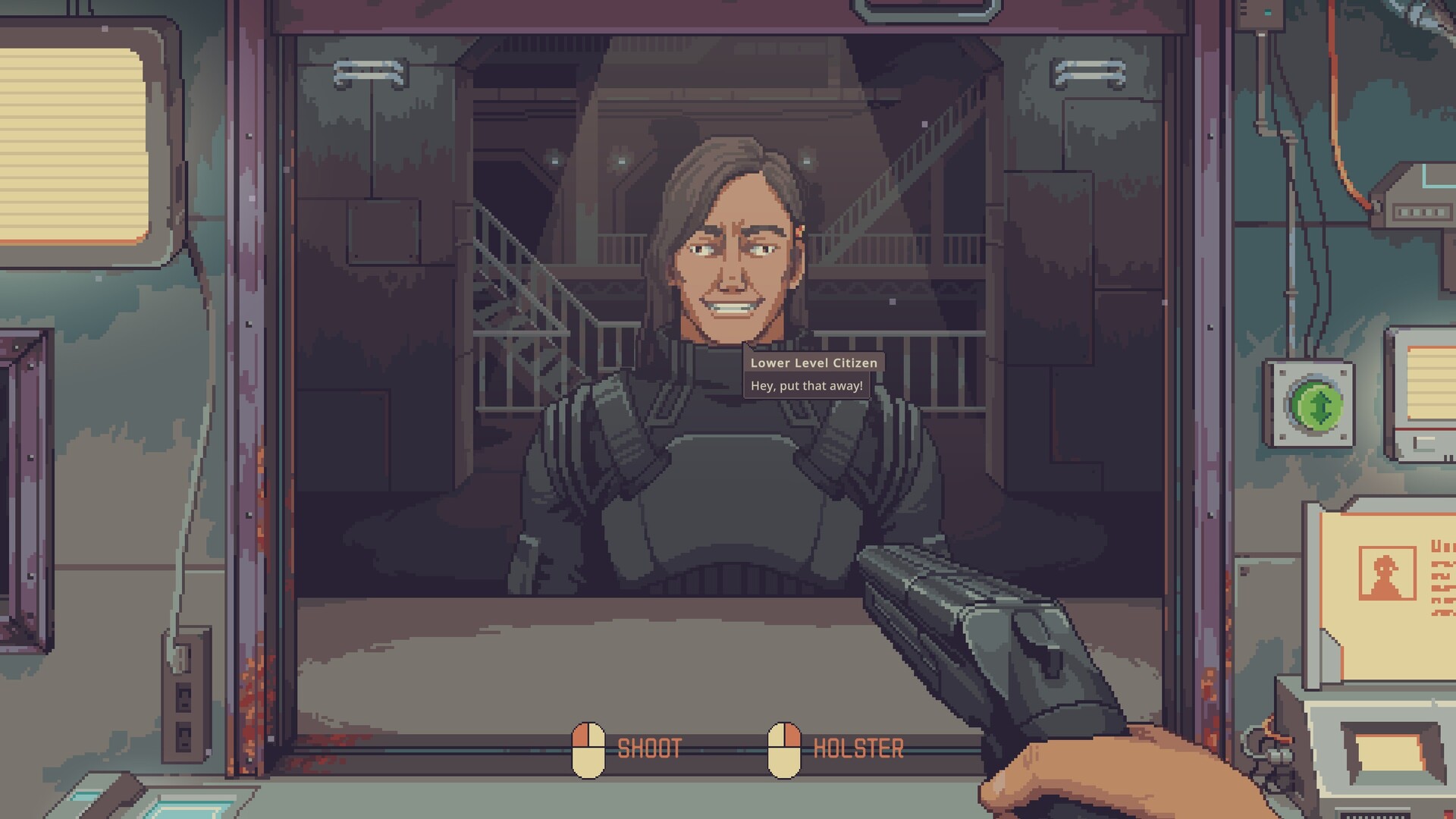
Images: official Steam store assets.
Development Story
Questing Goose Studio is a small Montreal studio focused on sandbox simulations and emergent stories. Probably Stolen follows tinyBuild's familiar playbook: a sharp niche hook from a micro-team, amplified by a professional demo, playtest and wishlist campaign.
The game was announced in August 2026 with a same-day Steam playtest, followed by a free demo in September. Team size, budget and development time have not been disclosed; our figures are estimates. What is public is the result: a two-day launch that outsold most full studios' entire catalogues.
Why It Succeeded
Probably Stolen turned a one-sentence premise into one of the fall's biggest indie launches.
- 500,000 copies in two days at $19.99, with 96% positive reviews.
- A demo with 700,000 players and 98% positive feedback before launch.
- Publisher reach: tinyBuild put the game in front of the Potion Craft and Graveyard Keeper audience.
- Streamer-friendly tension: every appraisal is a tiny gamble viewers can judge instantly.
Lessons for Indie Developers
- A one-sentence hook is a distribution strategy, not just a tagline.
- A demo before launch converts attention into wishlists and feedback.
- A publisher can supply reach that a two-person team cannot buy.
- Build pressure into the economy so every session has something at stake.
- Reuse proven genre demand instead of educating a new market.