Overview
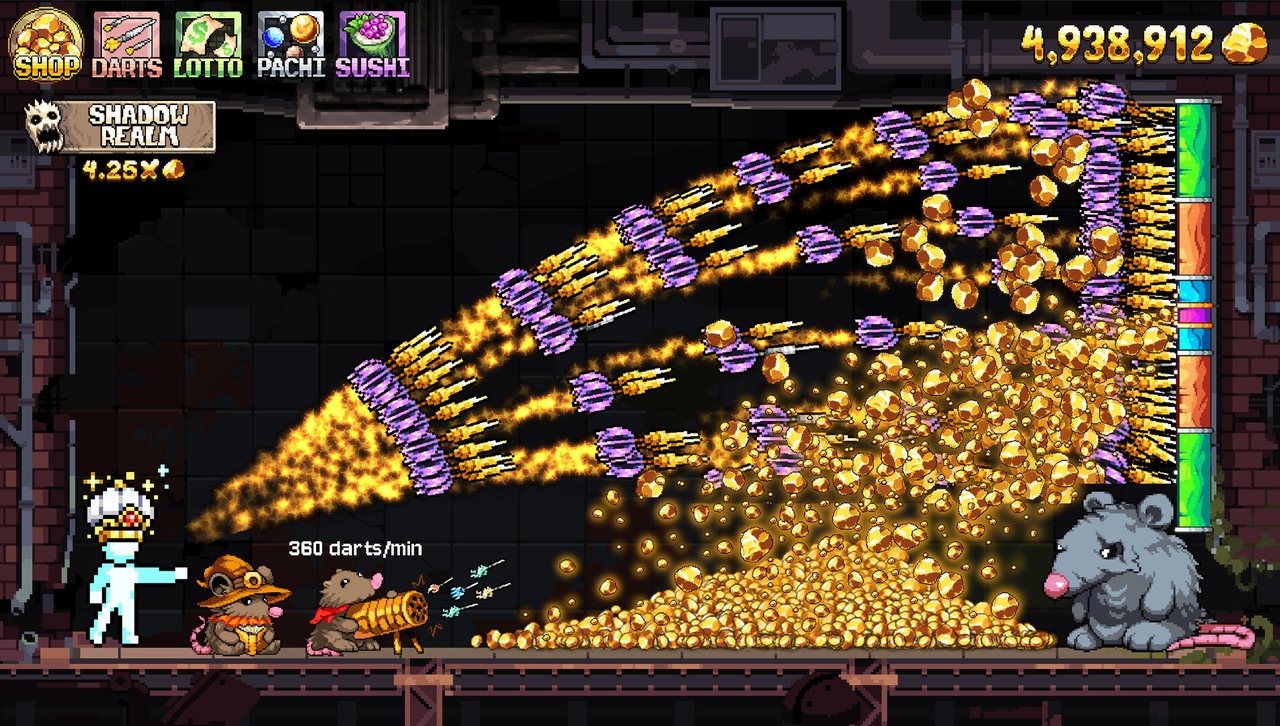
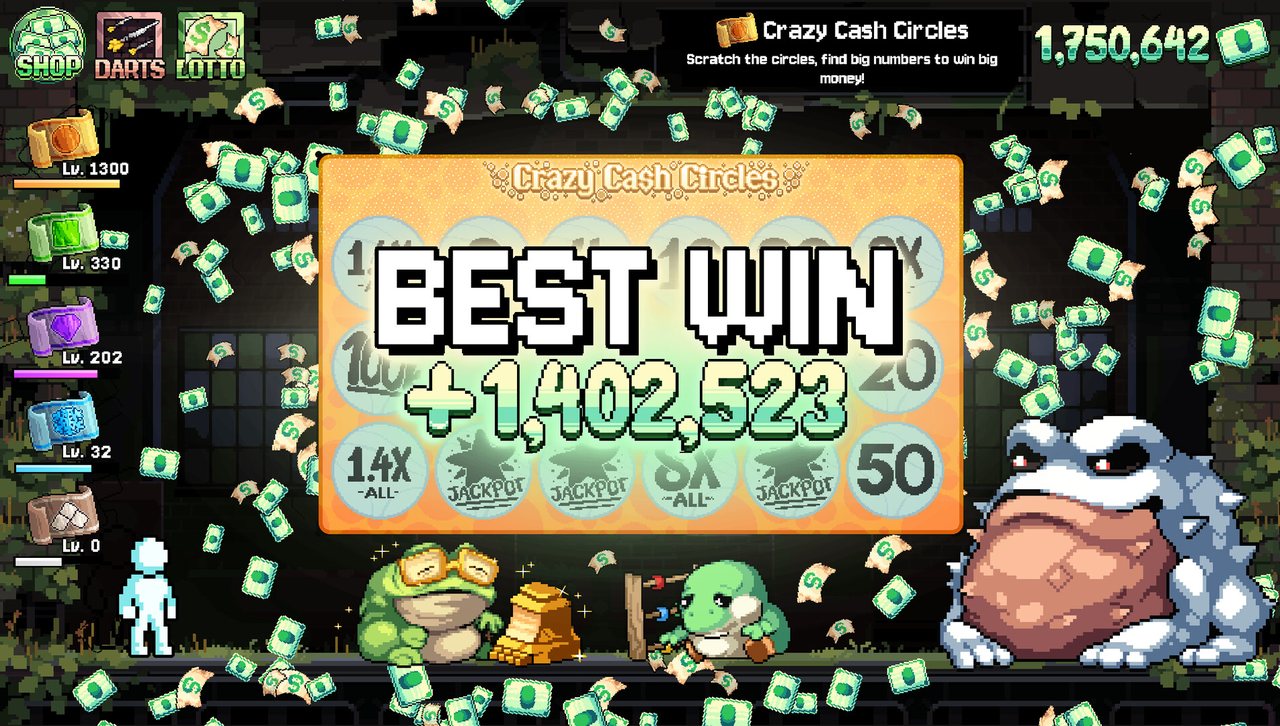
Fortune Mill is an incremental game with a machine-shop premise: four rooms block your escape, and each is guarded by a giant animal demanding a million. Room one makes you throw darts; room two is scratch cards; room three, dice; room four, sushi-crafting. The twist that makes it sing is that every room permanently boosts the others, so progress compounds across the whole mill.
It was released on June 2, 2026 at $4.99 by Lavaflame2 — the pseudonym of Brendan Malcolm, the solo developer who turned RuneScape into Melvor Idle and earned a publishing deal from Jagex. This time he self-published, and within four months the game held 82% positive across 1,500+ reviews with a concurrent-player peak of 7,756.
Gameplay
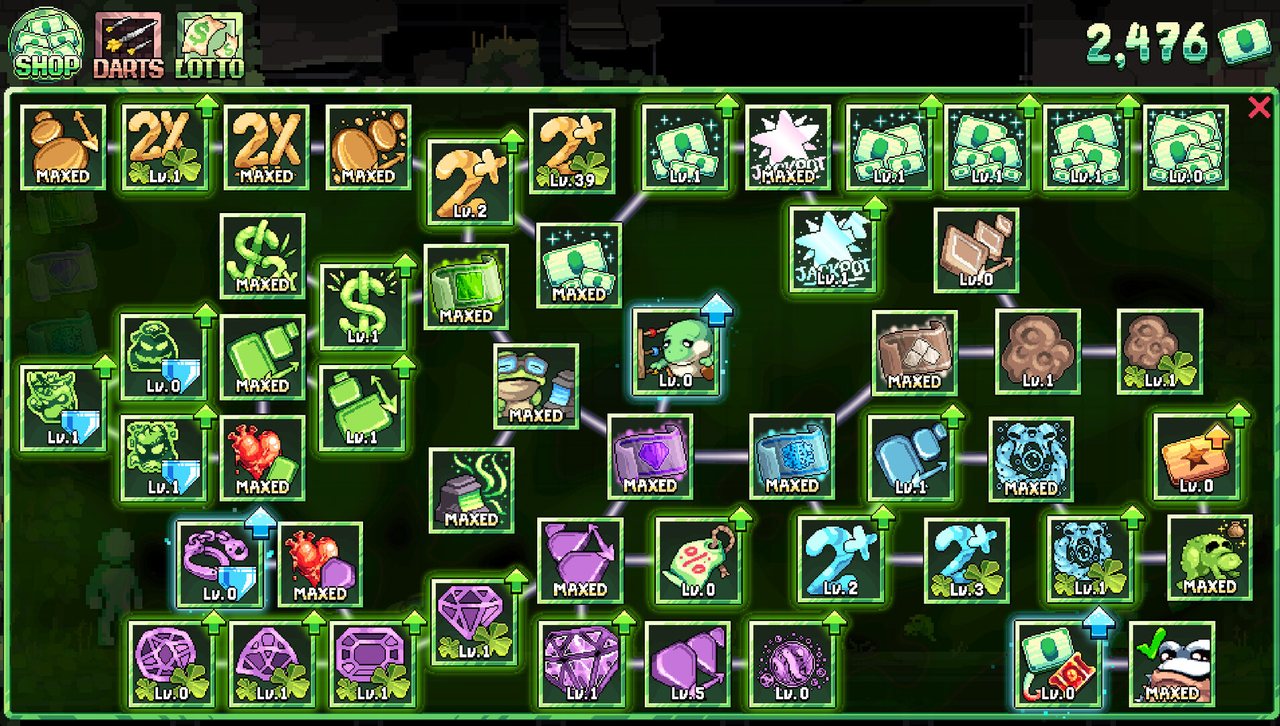
The design plays to the incremental genre's strength: every mini-game is simple, but the upgrade tree between them is where the depth lives.
- Four themed rooms: darts, scratch cards, dice and sushi
- Cross-room upgrades: winning one jackpot boosts another room permanently
- Automation unlocks that convert active play into idle income
- Deep synergy hunting between multipliers, mascots and tax-evading accountant toads
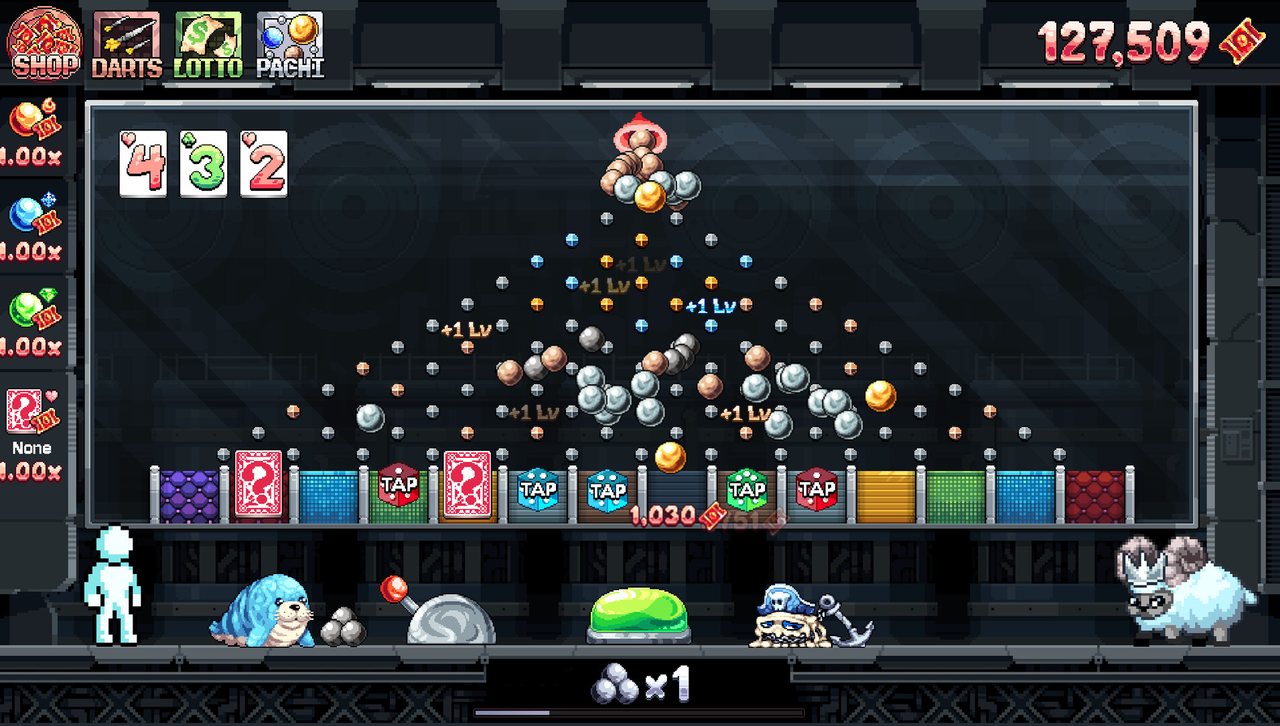
- Pachinko-style physics balls as an idle layer
- A comedic escape-story frame with giant demanding animals
Gallery
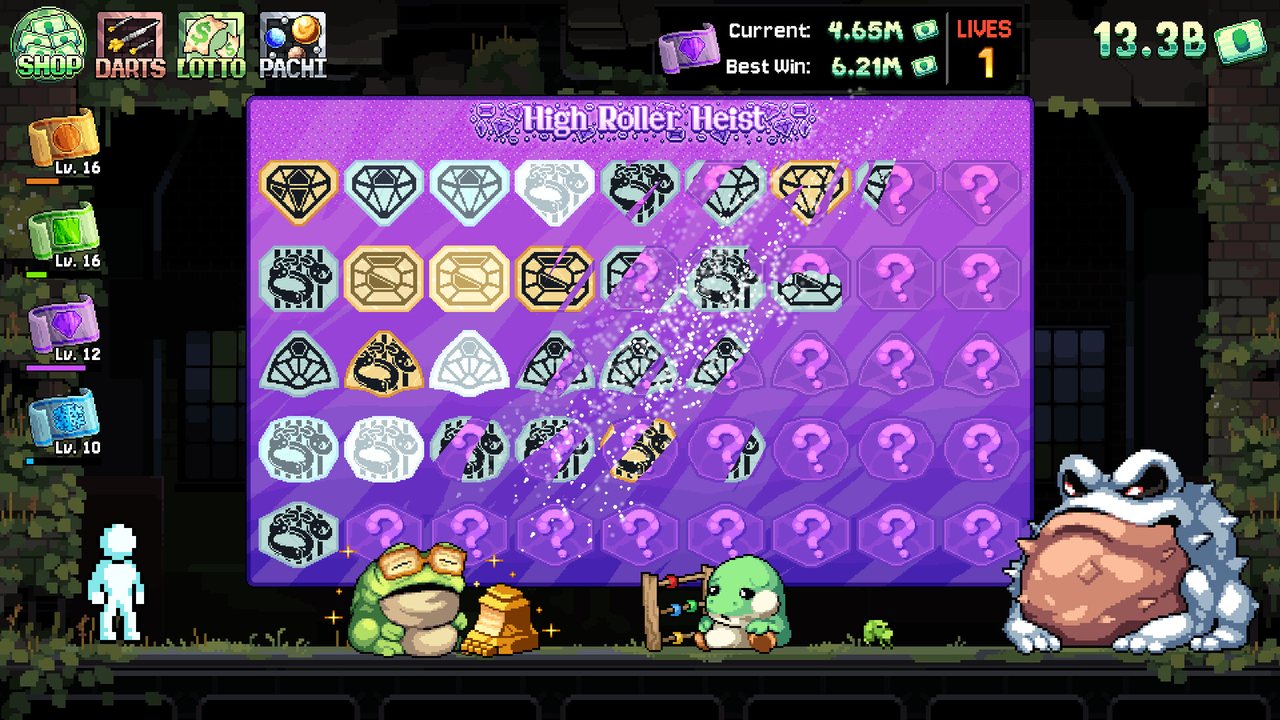
Images: official Steam store assets.
Development Story
Malcolm's first game, Melvor Idle, proved the solo incremental formula at scale: one developer, buy-once pricing, community-led growth — and a publishing contract from Jagex itself. Fortune Mill repeats the structure in a new wrapper: instead of distilling an MMO, it distils the arcade — darts, lotteries, pachinko — into a compounding economy.
The design lesson carried over is visible everywhere: numbers that always tick, upgrades that always land, and no dead ends. Malcolm also released the game with full localisation into ten languages on day one, a lesson learned from Melvor's international audience.
Why It Succeeded
Fortune Mill hit 82% positive across 1,500+ Steam reviews within four months, with a peak of 7,756 concurrent players and a monthly average above 3,800 — exceptional numbers for a solo incremental game at $4.99. Its Chinese community reaction was mixed but active, and the game's launch was carried almost entirely by Malcolm's existing reputation and the incremental-genre community.
- 1,500+ Steam reviews at 82% positive in four months
- Peak of 7,756 concurrent players at launch
- Est. $1M+ gross in the first four months (review-based)
- Day-one localisation into 10 languages
- Second commercial success from a solo developer
Lessons for Indie Developers
- A proven formula (solo incremental) can be re-skinned into a new theme successfully.
- Interlocking systems turn four small mini-games into one large game.
- Your previous game's reputation is launch marketing.
- Day-one localisation multiplies the audience at almost no cost.
- Always-ticking numbers with no dead ends is the core incremental promise.