Overview
Lorelei and the Laser Eyes invites you to a strange hotel in the south of Sweden, where a mysterious woman must solve — or be solved by — hundreds of interlocking puzzles. Monochrome, nonlinear and drenched in cinema history, it is a puzzle box built like a hip artifact.
Simogo, the Swedish duo core behind Sayonara Wild Hearts, spent about six years on it with Annapurna publishing. Released in May 2024, it went overwhelmingly positive and became one of the most awarded puzzle games of the year.
Gameplay
- Hundreds of self-contained puzzles woven into a larger mystery
- Full nonlinearity: solve what you can, when you can
- In-game documents, films and devices as puzzle surfaces
- A metafiction about authorship, cinema and numbers
- A hypnotic monochrome aesthetic with occasional color shocks
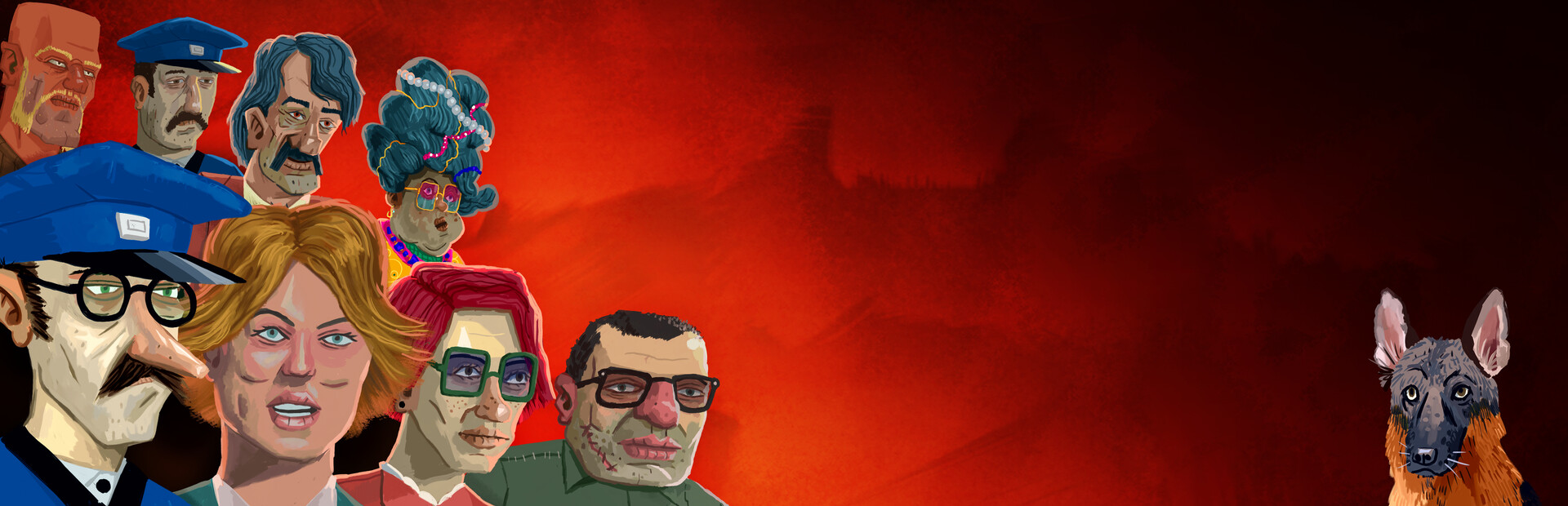
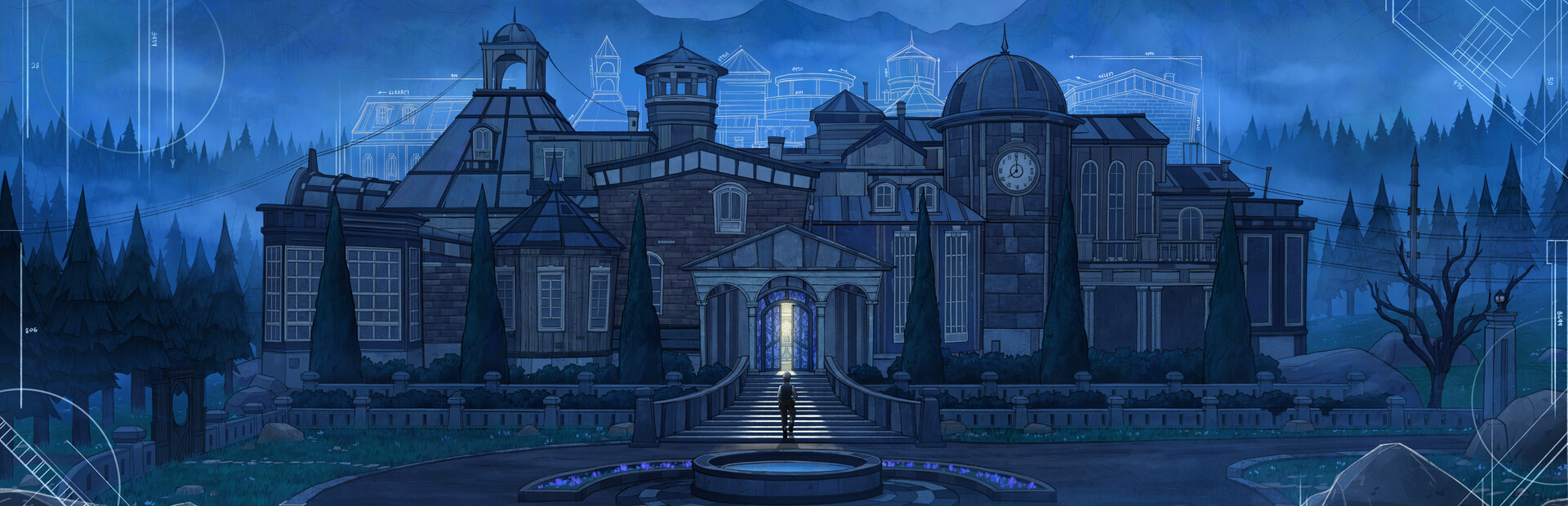
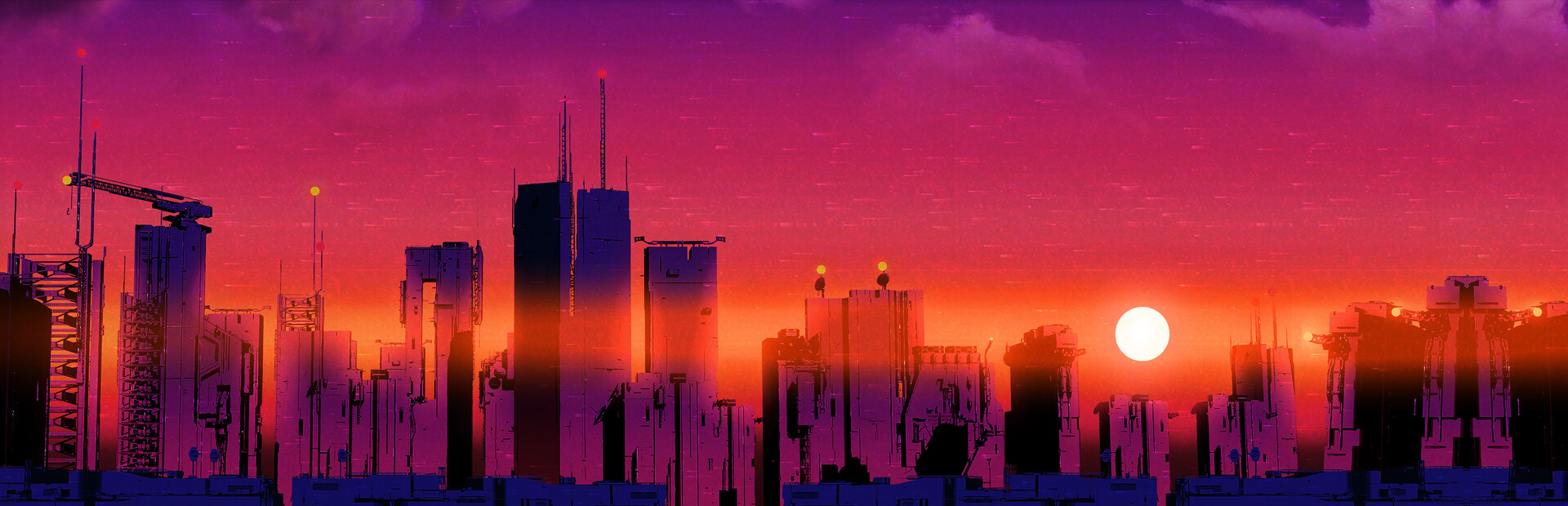
Gallery
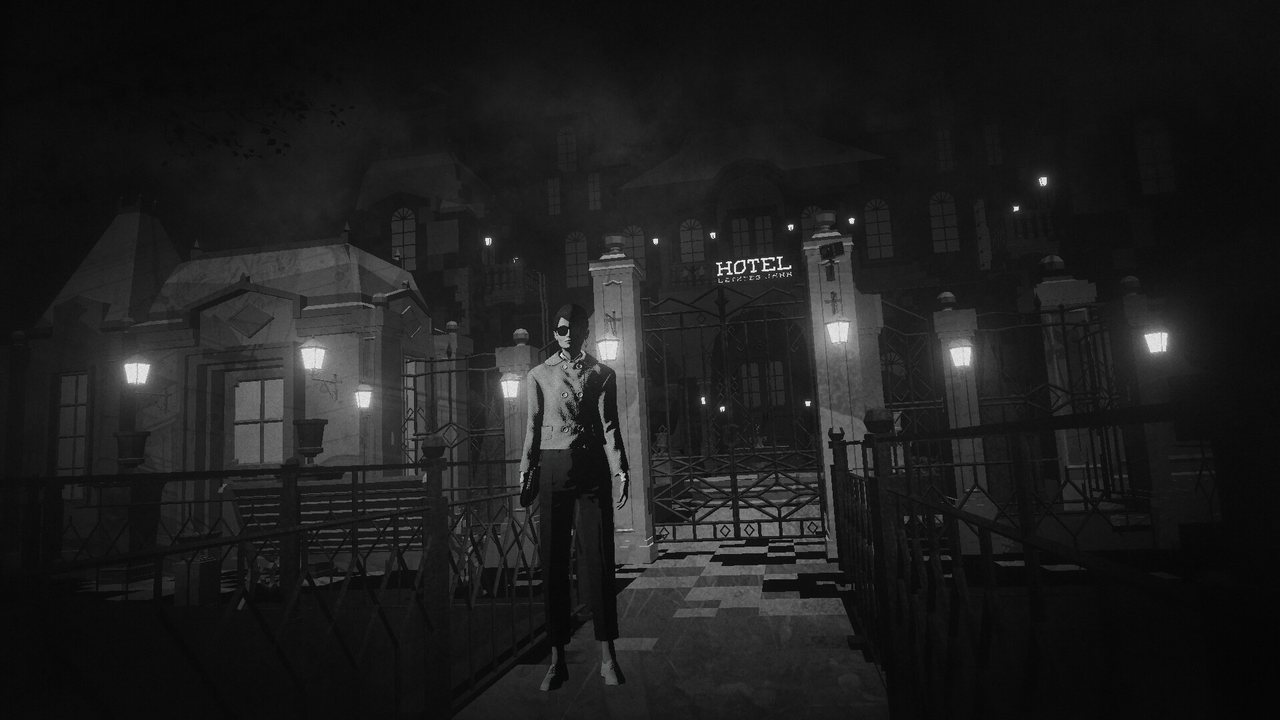
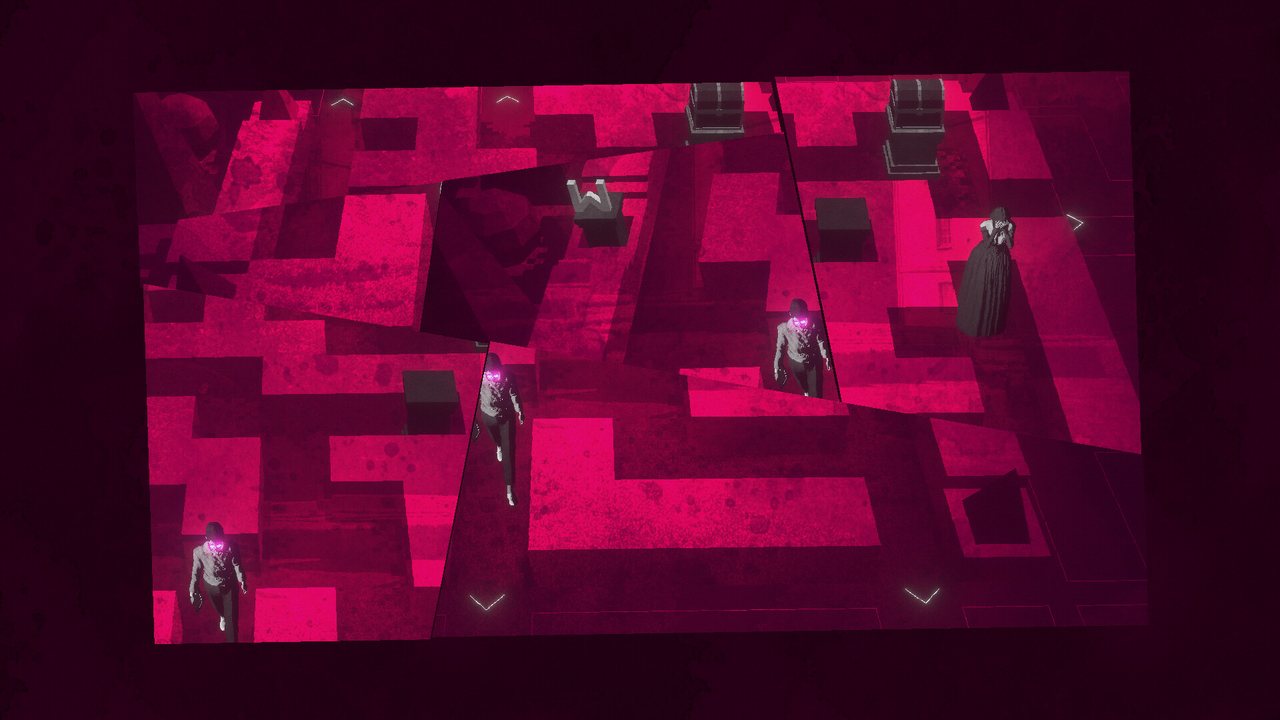
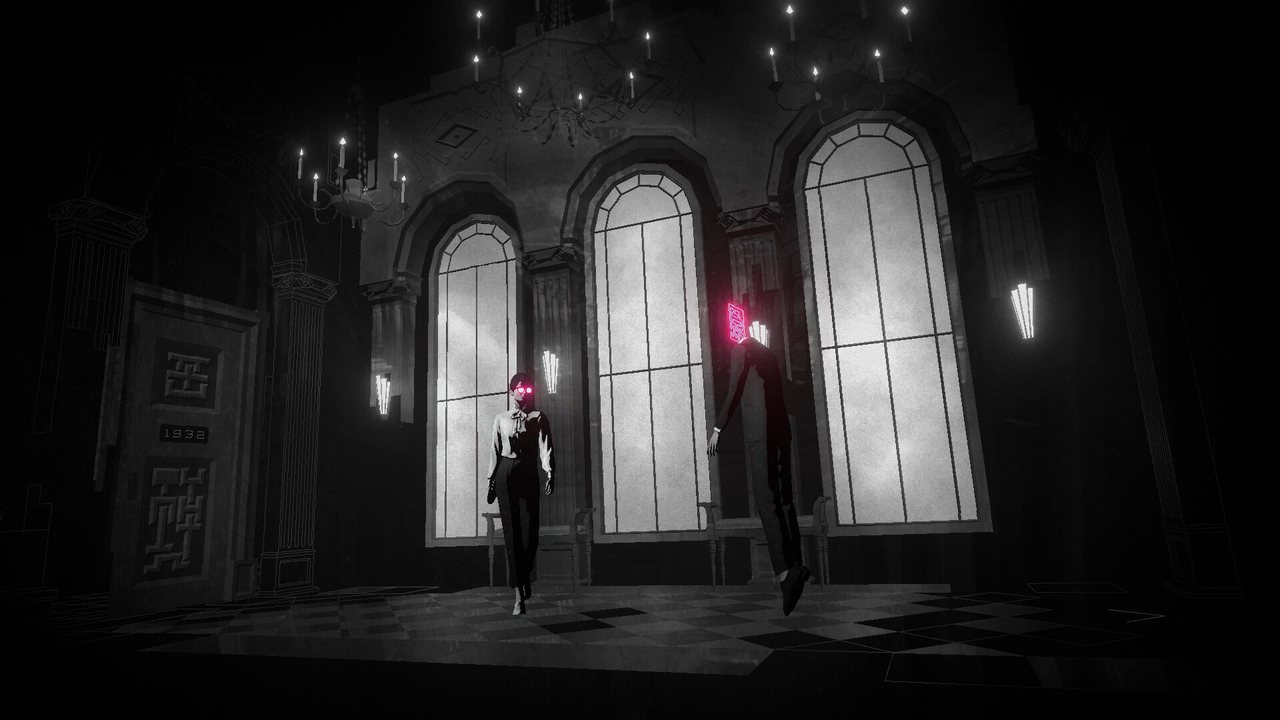
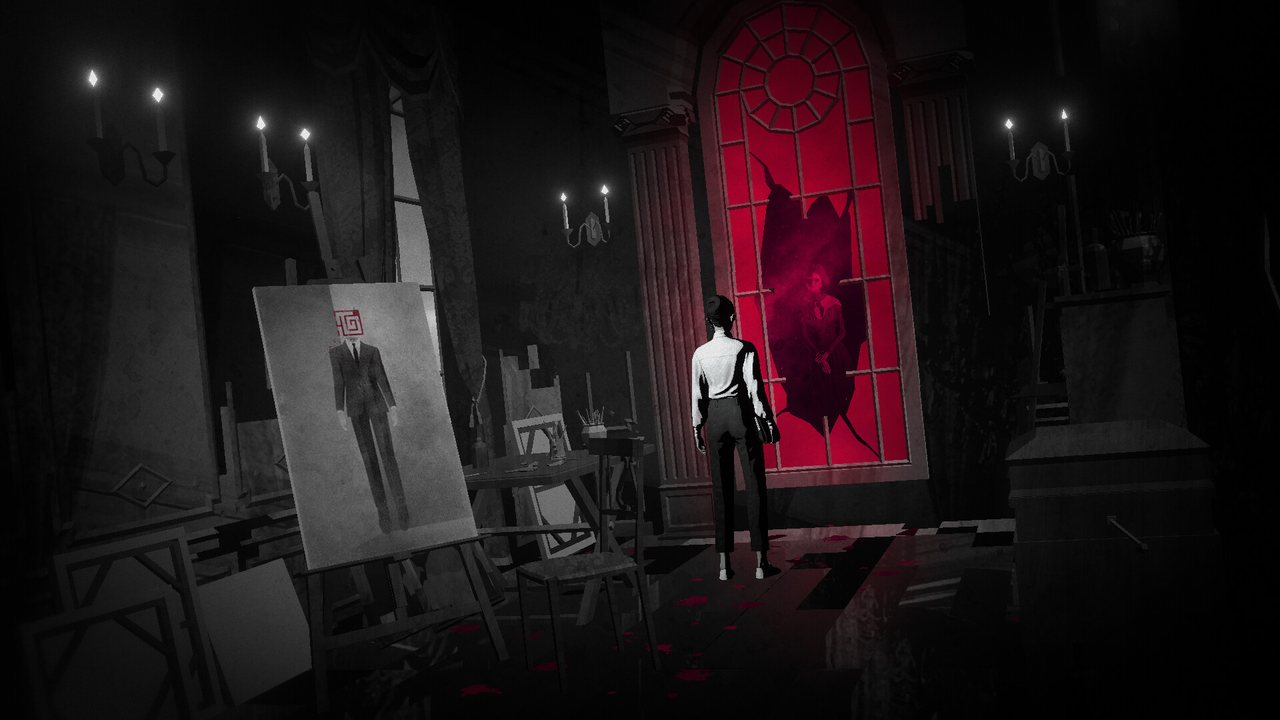
Images: official Steam store assets.
Development Story
Simogo's two-person core wrote, designed and art-directed everything themselves, treating the hotel like a stage. Their discipline — every screen meaningful, every puzzle diegetic — took years but produced a game critics couldn't stop admiring.
Why It Succeeded
- Overwhelmingly positive Steam reviews
- Dozens of GOTY and best-puzzle mentions for 2024
- A touchstone for nonlinearity in puzzle design
- Annapurna's perfect first-party showcase
Lessons for Indie Developers
- Nonlinear design trusts players — and they reward it loudly.
- A duo with clear authorial control can out-curate a large team.
- Monochrome art is both a style and a scope-saver.
- Puzzle games can be literary: theme and mechanics can rhyme.