Overview
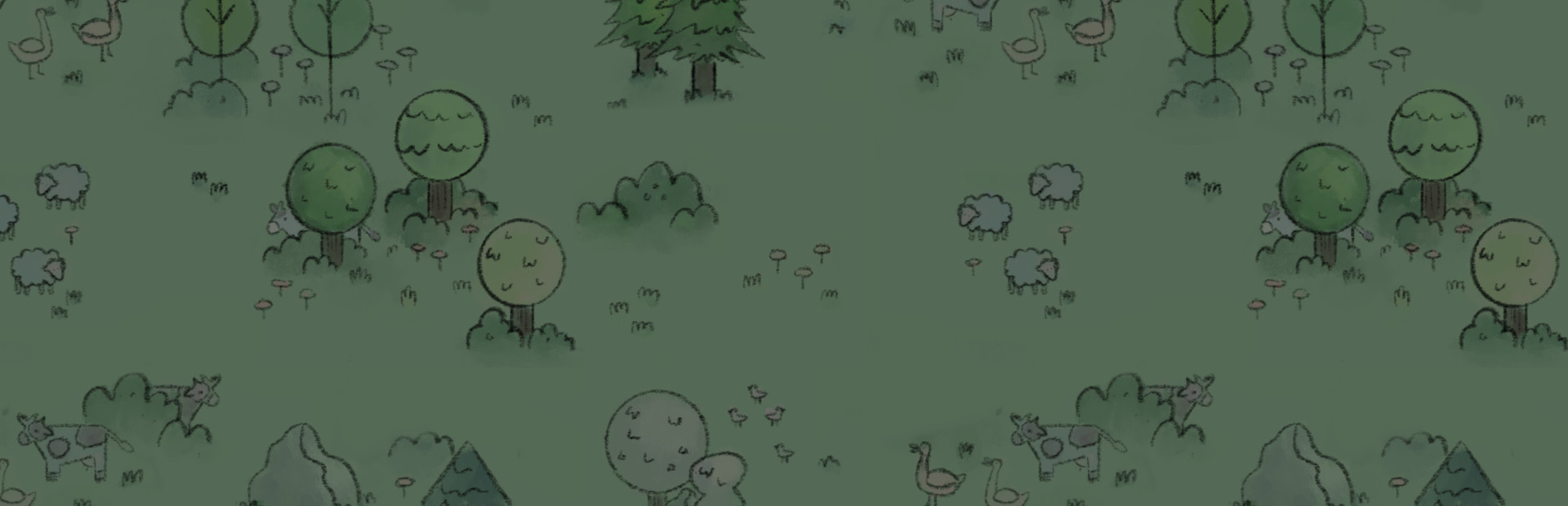
Stacklands is a village builder where everything is a card. Villagers, resources, buildings and ideas are cards you stack and drag; placing a Villager on a Berry Bush produces food, combining cards creates buildings, and selling cards pays for booster packs that grow your world.
Made by Sokpop Collective — four Dutch developers who released a small game every month on a subscription model — it launched April 8, 2022 at $4.99 and became their runaway hit: half a million copies within months, a million in the first year.
Gameplay
The design merges two familiar genres into one: the card-buying economy of a deckbuilder, and the resource chains of a colony builder — with the card table itself as the map.
- Everything is a card: villagers, wood, coins, animals, ideas
- Stack cards to work: villager plus resource equals output
- Booster packs as progression — buy packs with gold to unlock
- Idea cards unlock recipes and new buildings
- Survival pressure via food and a raiding moon cycle
- Island DLC (Stacklands 2000) expanded it into a full sequel-scale update
Gallery
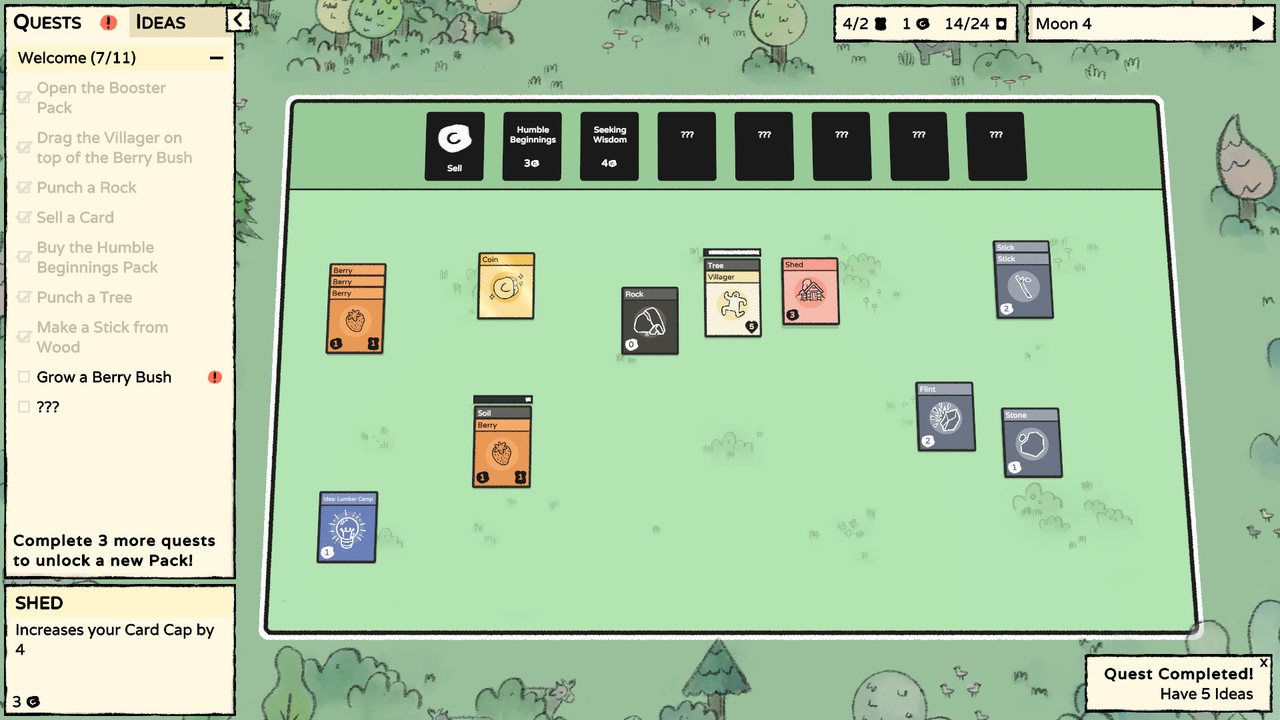
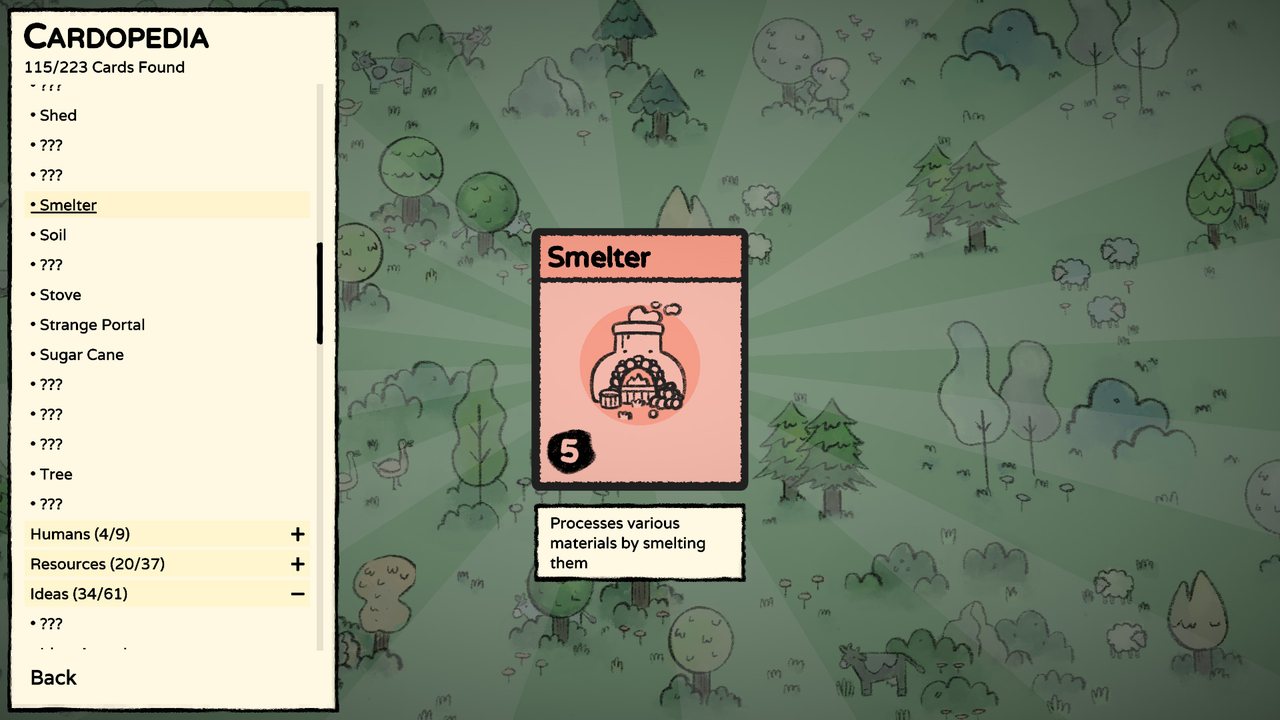
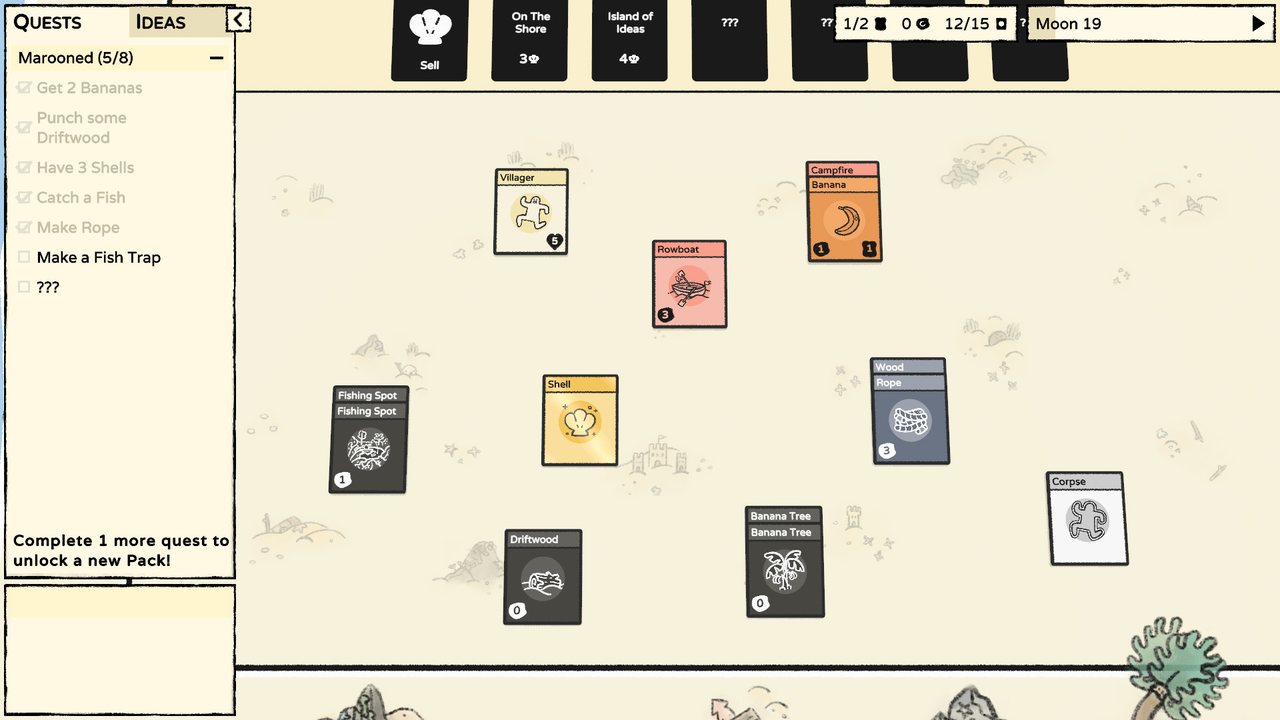
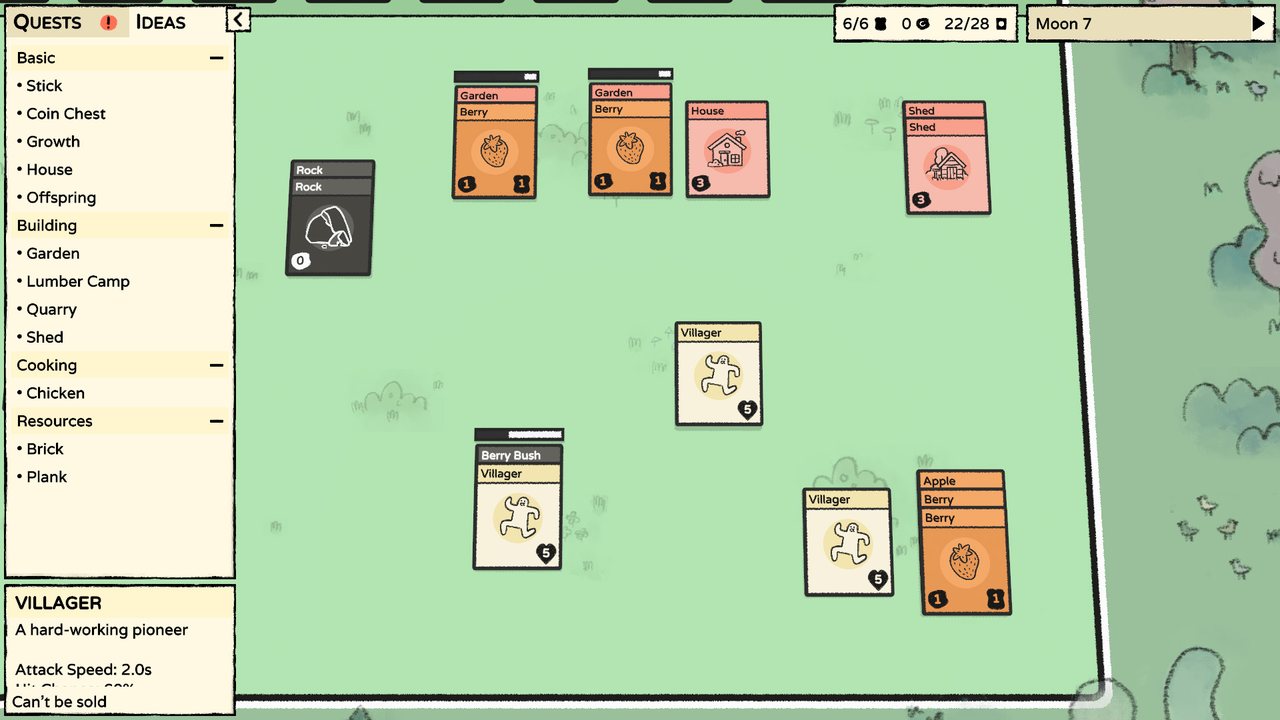
Images: official Steam store assets.
Development Story
Sokpop Collective's model was unusual: four developers, a Patreon-funded monthly game cadence, and freedom to try anything. Stacklands was one of those monthly experiments — but the card-stacking idea hit so cleanly that the collective slowed down and turned it into a full release.
The low $4.99 price was deliberate: it matched the game's size, removed purchase hesitation, and let word of mouth accumulate. The team then committed to long-term support, shipping the large free island update and further packs instead of immediately chasing a sequel.
Why It Succeeded
Stacklands sold over 500,000 copies within months and passed a million in its first year, on a game that started as a monthly side project. Its success validated the subscription-collective model, and its card-everything design has been widely imitated in the village-builder niche.
- 1M+ copies in the first year, developer-stated
- Started as one of Sokpop's monthly experiments
- Est. $5M+ gross at a $4.99 price point
- Free large update (island expansion) sustained sales
- Sparked a wave of card-based builder imitators
Lessons for Indie Developers
- Fast, small experiments can outperform flagship projects.
- Familiar mechanics from two genres can combine into something new.
- A low price matched to scope removes all purchase friction.
- If a side project takes off, be willing to slow down and finish it properly.
- Cards as interface make complex economies instantly legible.