Overview
Undertale is an RPG built around one rule: you can finish it without killing a single monster. Every enemy encounter can be resolved by talking, sparing, or out-thinking the pattern, and the game keeps score of what you do in ways that later playthroughs cannot escape.
Toby Fox designed, wrote, coded and composed nearly all of it himself, releasing the game on September 15, 2015 at $9.99 after raising $51,124 on Kickstarter. It is routinely named among the most influential games of its generation.
Gameplay
The surface is a classic top-down RPG; the substance is a bullet-hell battle system fused with conversation, where mercy is a mechanic rather than a mood.
- Act, Item, FIGHT and MERCY options in every encounter
- Bullet-hell patterns that incorporate dialogue and jokes
- Neutral, Pacifist and Genocide routes with permanent consequences
- Enemies with individual personalities, fears and friendships
- An original soundtrack that became a concert-hall phenomenon
- Meta-narrative that responds to saves, resets and player knowledge
Gallery
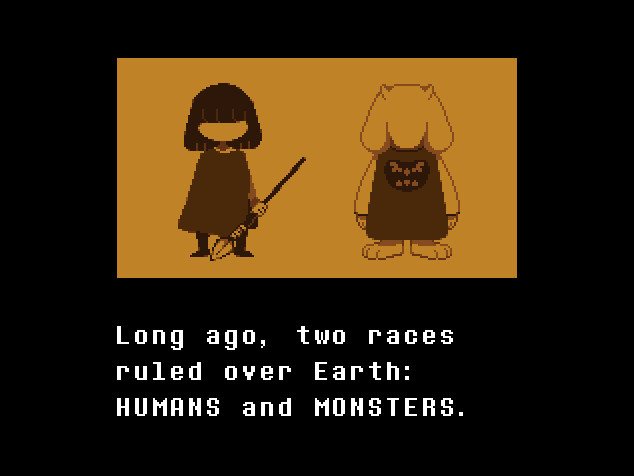
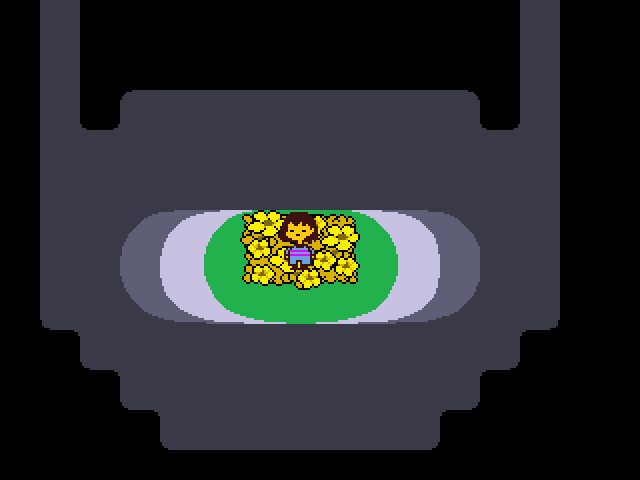
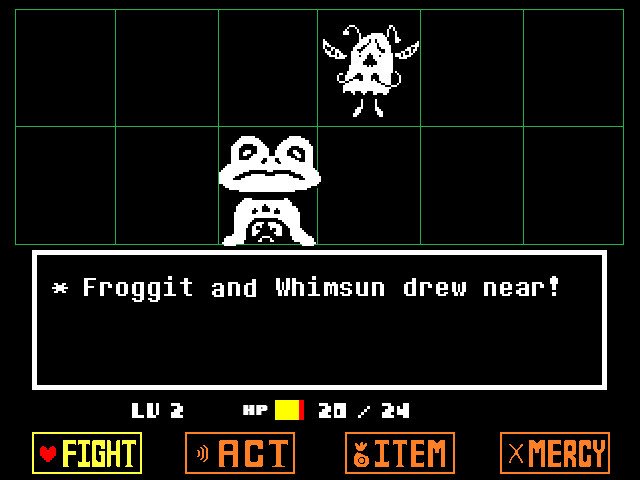
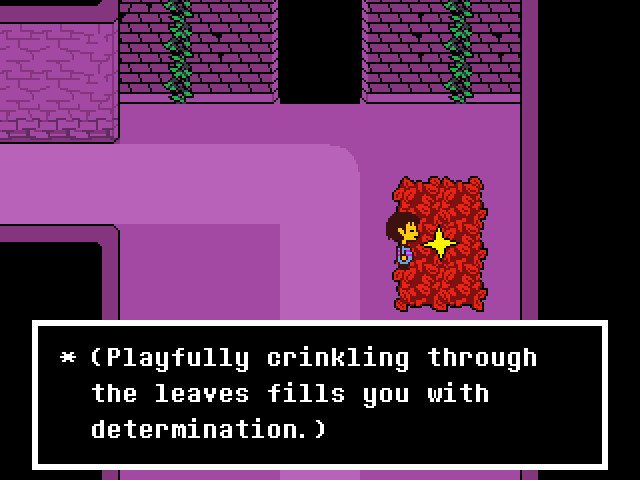
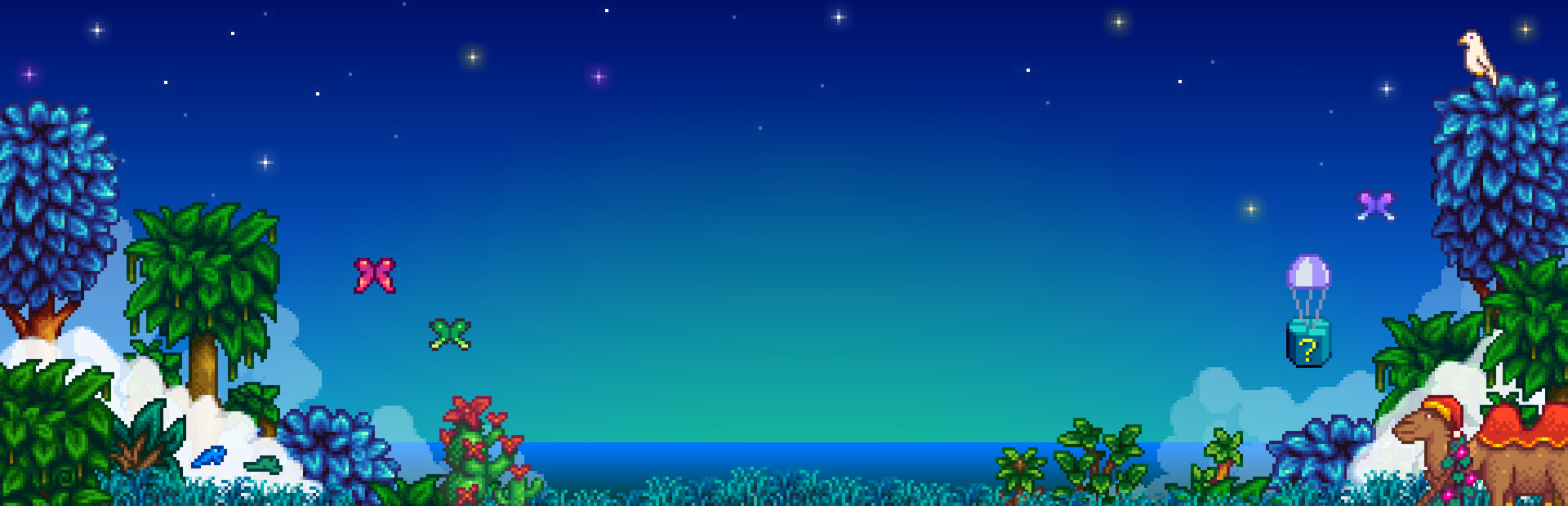
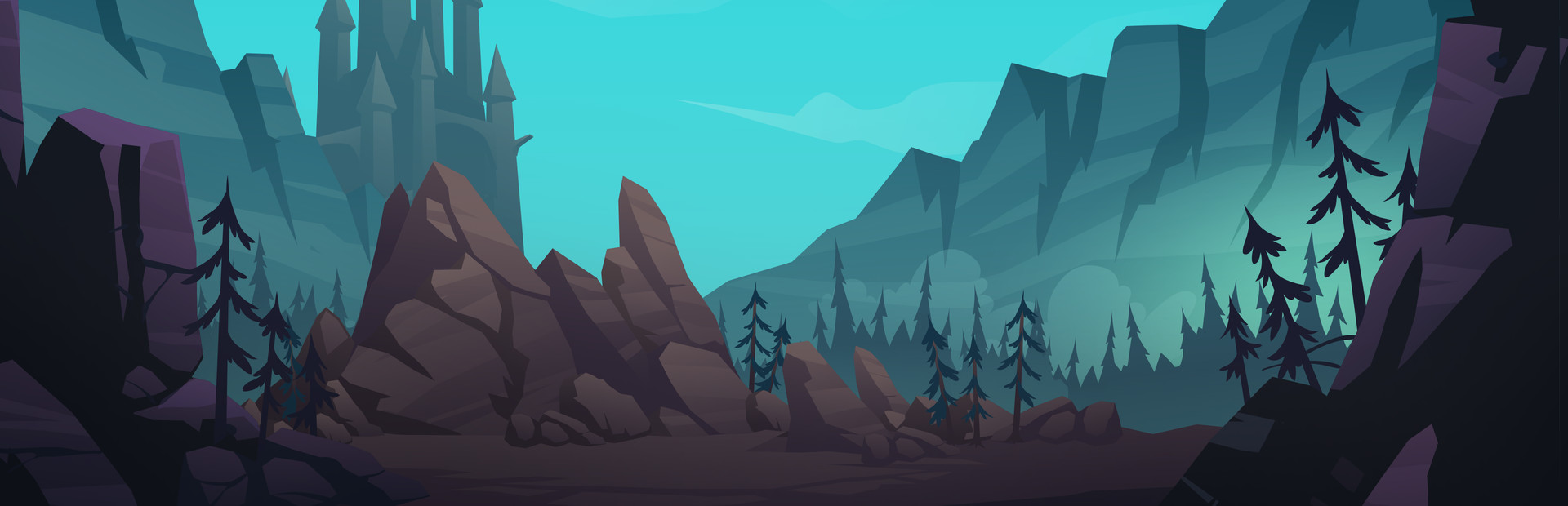
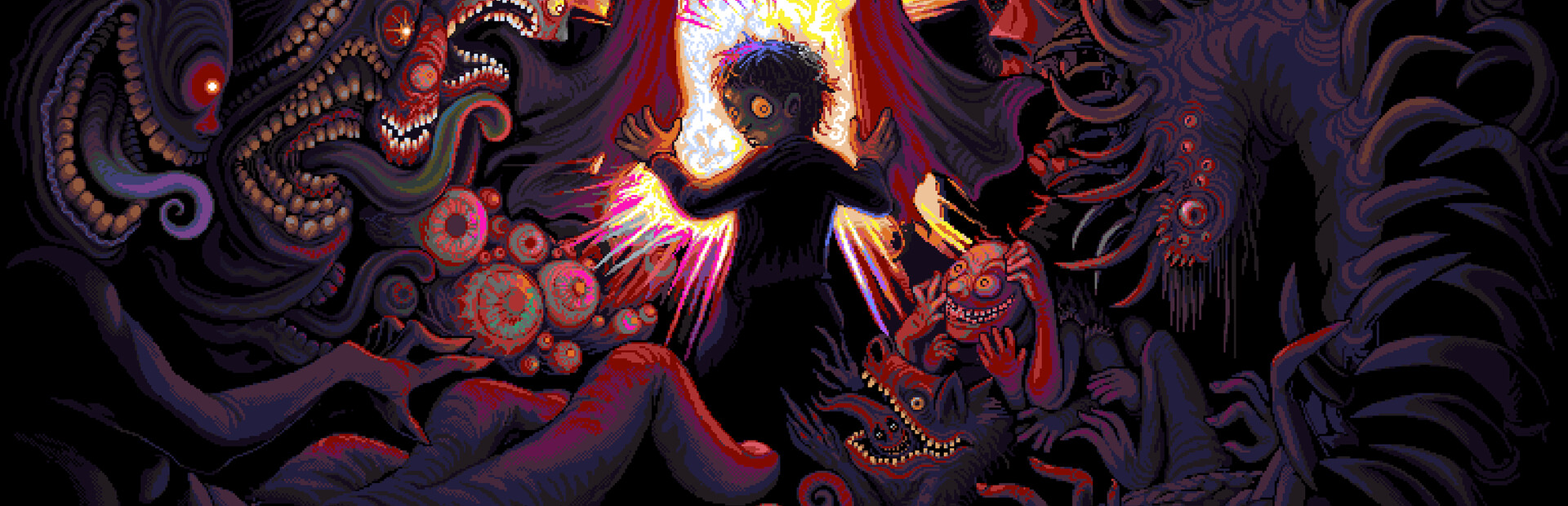
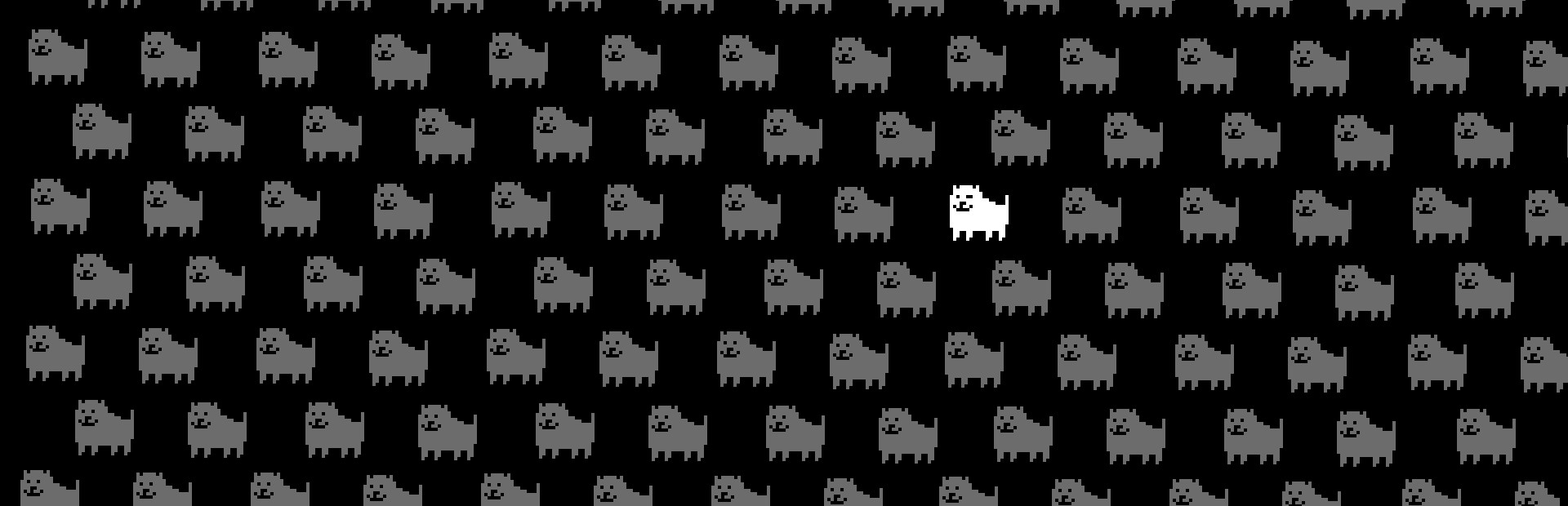
Images: official Steam store assets.
Development Story
Fox had no studio and no engine experience when he started; he built Undertale in GameMaker, learning as he went, with Temmie Chang providing most character art. The Kickstarter in 2013 asked for $5,000 and raised $51,124 — enough to fund the final stretch without publisher involvement.
The design discipline is what stands out. Fox cut scope aggressively: sparse pixel art, simple maps, minimal animation — and spent the savings on writing, music and mechanics that respond to the player's morality. The famous moments where the game seems to know you are not expensive tech; they are cheap tricks executed with perfect timing.
Why It Succeeded
Undertale's launch was a word-of-mouth event: reviewers refused to spoil it, streamers turned Sans and Papyrus into internet celebrities, and the soundtrack became a concert phenomenon with licensed performances worldwide. Lifetime sales are estimated at five million or more, on a budget of tens of thousands of dollars.
- 97% positive across 200,000+ Steam reviews
- Est. 5M+ copies sold lifetime
- Became a cross-media phenomenon: fan music, concerts, manga adaptations
- Winner of multiple Best Indie and innovation awards
- Its meta-narrative is cited in academic game-design literature
Lessons for Indie Developers
- One strong design rule — you never have to kill — can define an entire game.
- Writing and music are budget-friendly; spend your savings there.
- Meta-narrative does not need new technology, only perfect timing.
- A cheap pixel game can outgrow its medium if the emotional core is real.
- Do not spoil your own game: the community will market it for you.