Overview
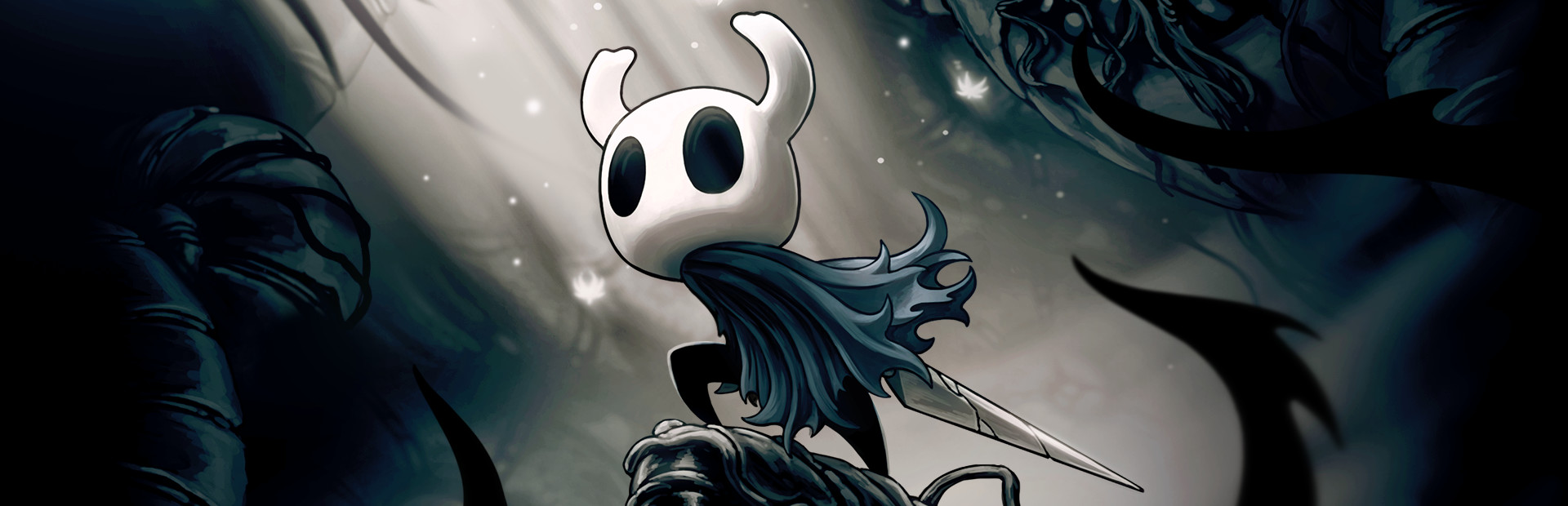
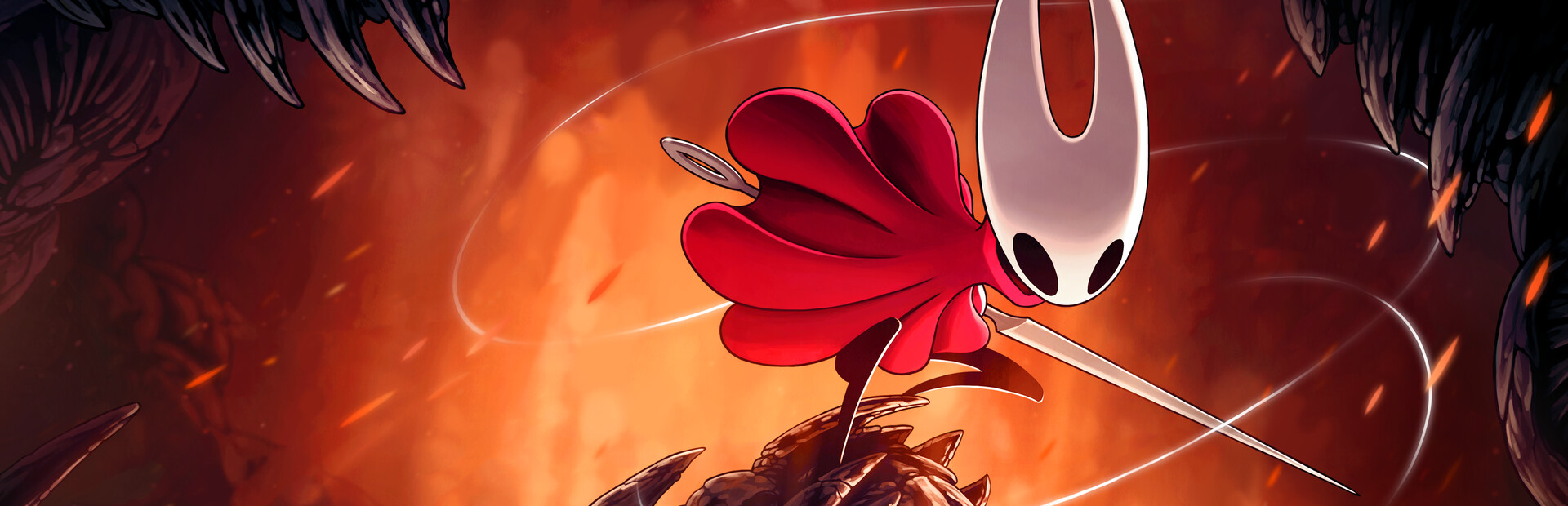
Silksong is the sequel to 2017's Hollow Knight, casting the player as Hornet — princess-protector of Hallownest — in a new kingdom woven from silk and song. It was announced in February 2019 and then went quiet for years, becoming the most-wishlisted game on Steam and an internet-wide running joke.
On September 4, 2025 it finally launched at $19.99 — the same philosophical price as the original — from a team of three core developers in Adelaide. Demand was so extreme that Steam, Nintendo and PlayStation storefronts buckled on launch night. Within roughly a month, review-based estimates put sales above five million copies, making it the largest pure-indie launch of 2025.
Gameplay
Silksong keeps the tight controls and dense interconnection of its predecessor, then rebuilds the loop around Hornet's speed:
- Hornet is faster and more vertical: sprint, dash, wall-cling and a needle-based moveset
- Silk replaces soul: a resource both for healing and for tools, creating constant spend-or-save decisions
- Dozens of new regions built as vertical networks rather than horizontal mazes
- A quest board system that converts exploration into structured side objectives
- Crafting and tools layer light build variety onto a pure action core
- The famous, unforgiving difficulty — now tuned for an even more mobile protagonist
Gallery
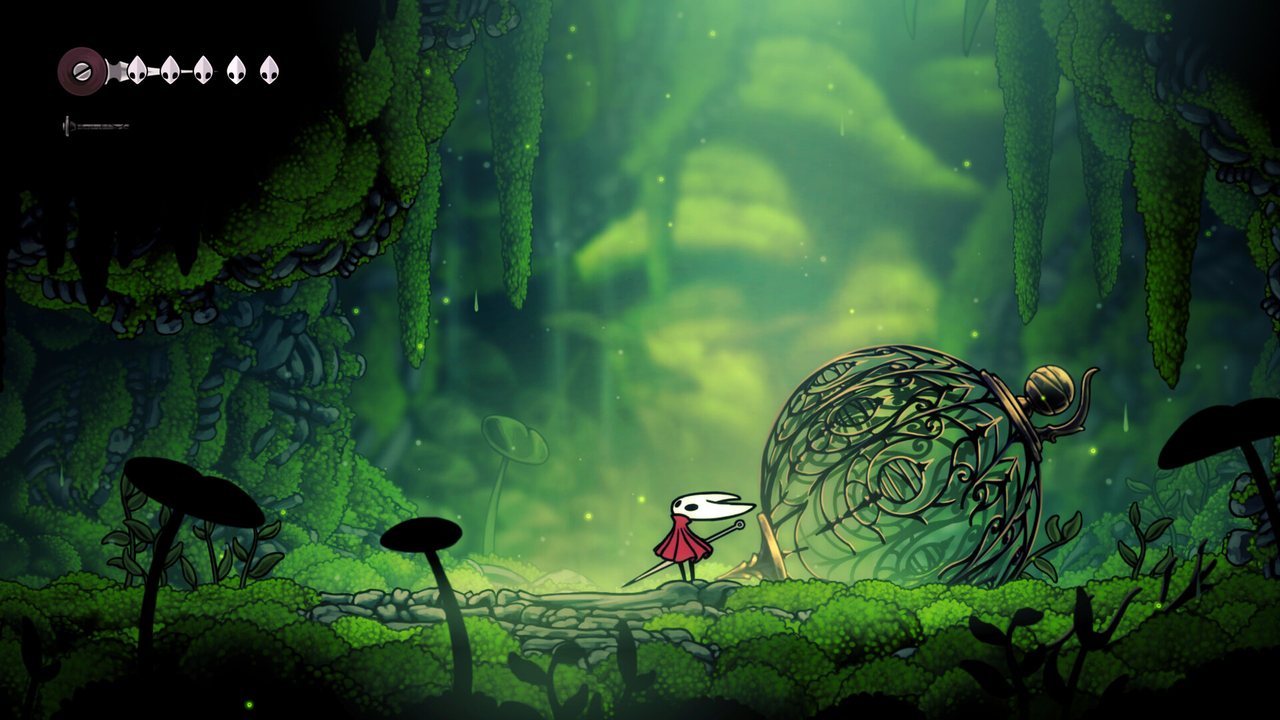
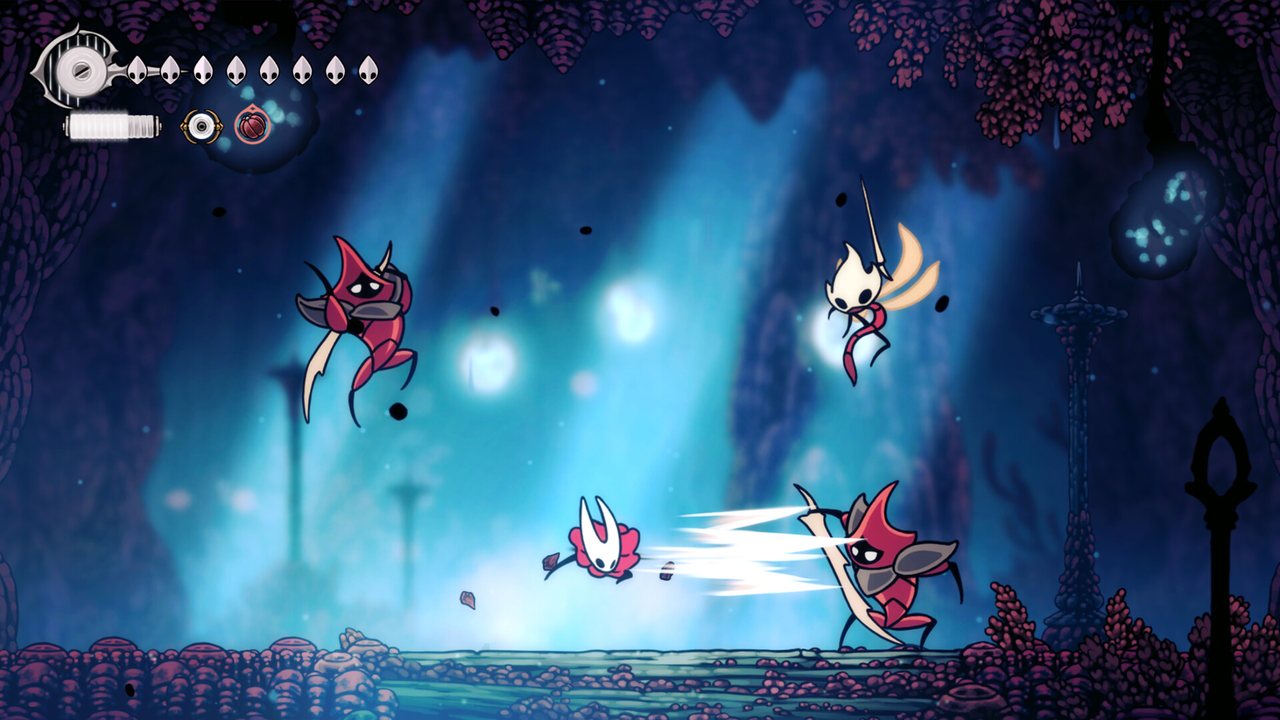
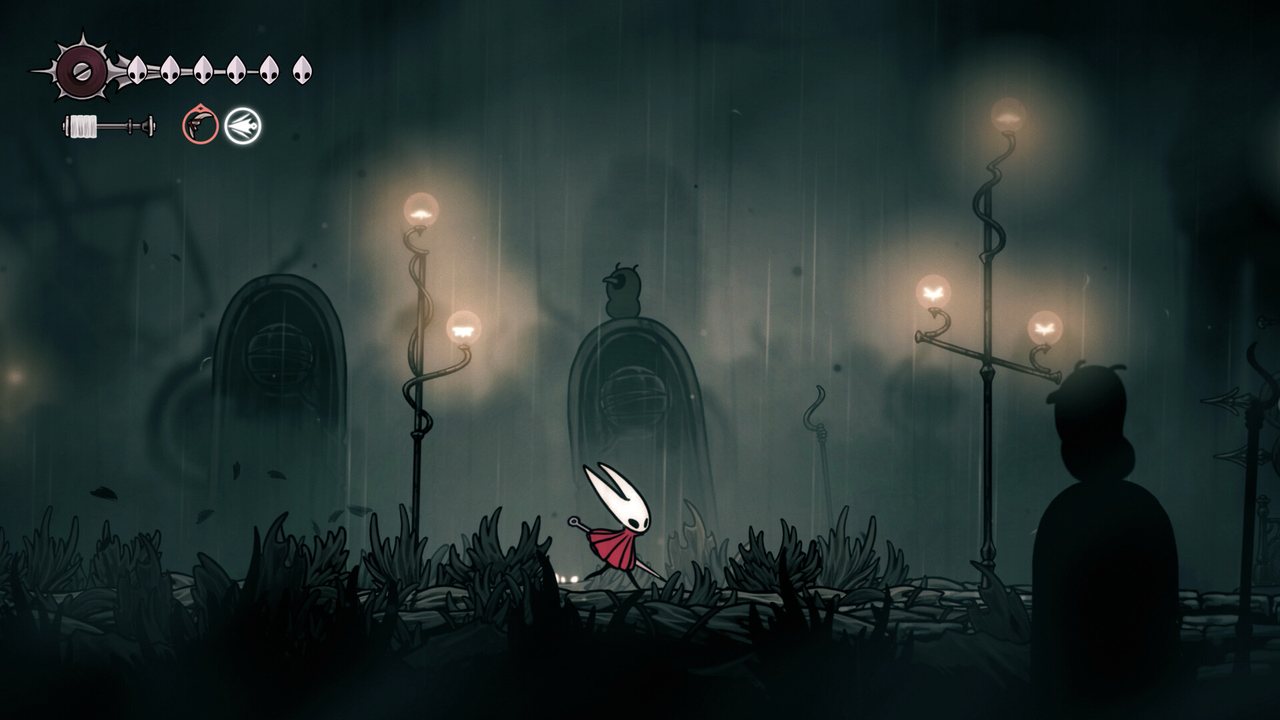
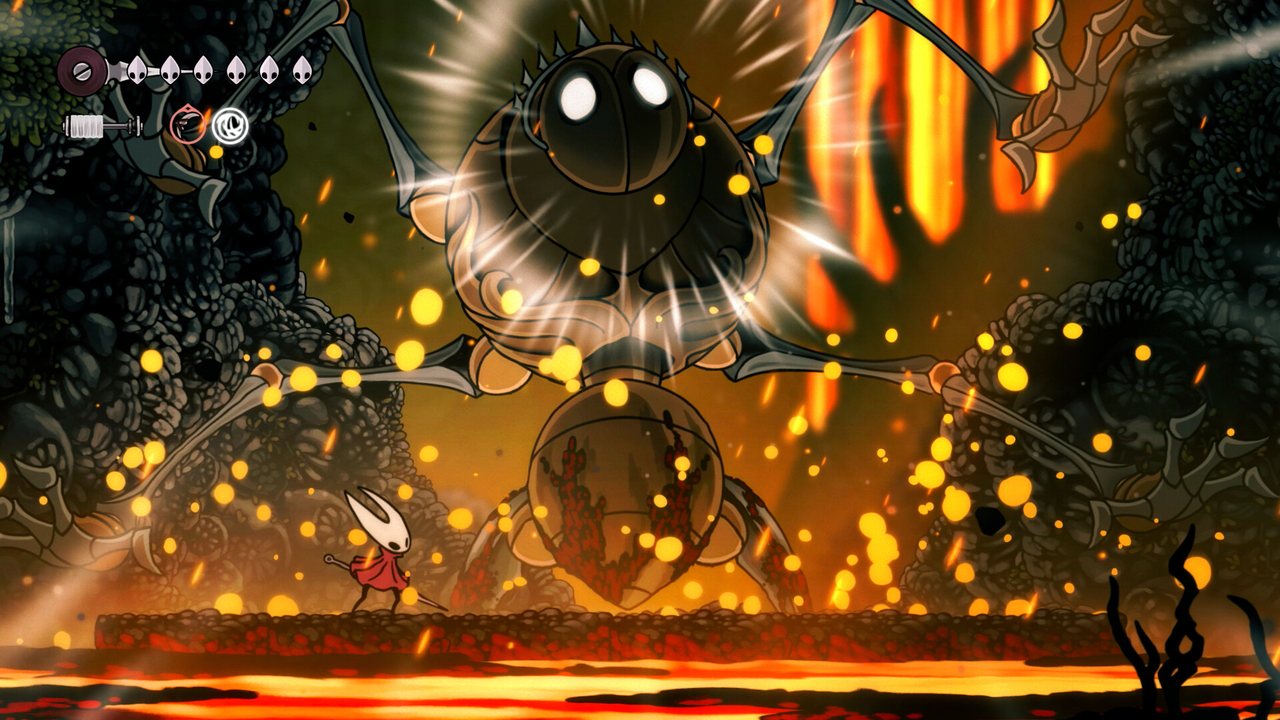
Images: official Steam store assets.
Development Story
Team Cherry's structure is the counter-argument to every "you need a bigger team" claim: three core developers, no publisher, self-funded by the original game's success. Silksong was built over roughly seven years of public development with long silences, resisted crunch culture and scope inflation, and shipped complete — no DLC roadmap, no live service.
The original Hollow Knight was funded by a ~AU$57,000 Kickstarter in 2017 and sold millions. Silksong's budget came from that first game — a self-sustaining indie studio at maximum smallness.
Why It Succeeded
The launch broke records that don't usually break: storefront outages at Steam, Nintendo and PlayStation on release night; the top wishlisted game in Steam history converting at once; and an estimated five million copies in a month at $19.99 — roughly $100M gross for a team of three.
- Most-wishlisted game in Steam history before launch
- Launch-night storefront crashes across Steam, Nintendo and PlayStation
- Est. 5M+ copies in the first month; ~$100M gross
- 97%+ Overwhelmingly Positive Steam reviews at launch
- A seven-year wait converted directly into day-one sales
Lessons for Indie Developers
- A tiny team can hold a $100M launch if the first game earned infinite patience.
- Seven years of silence turned into demand, not distrust — scarcity built the wishlist record.
- Complete games still sell: no roadmap, no season pass, no live service.
- Same-price philosophy ($19.99 like the original) converted goodwill into volume.
- Sequels to beloved indies don't need publishers — they need the audience to already exist.