Overview
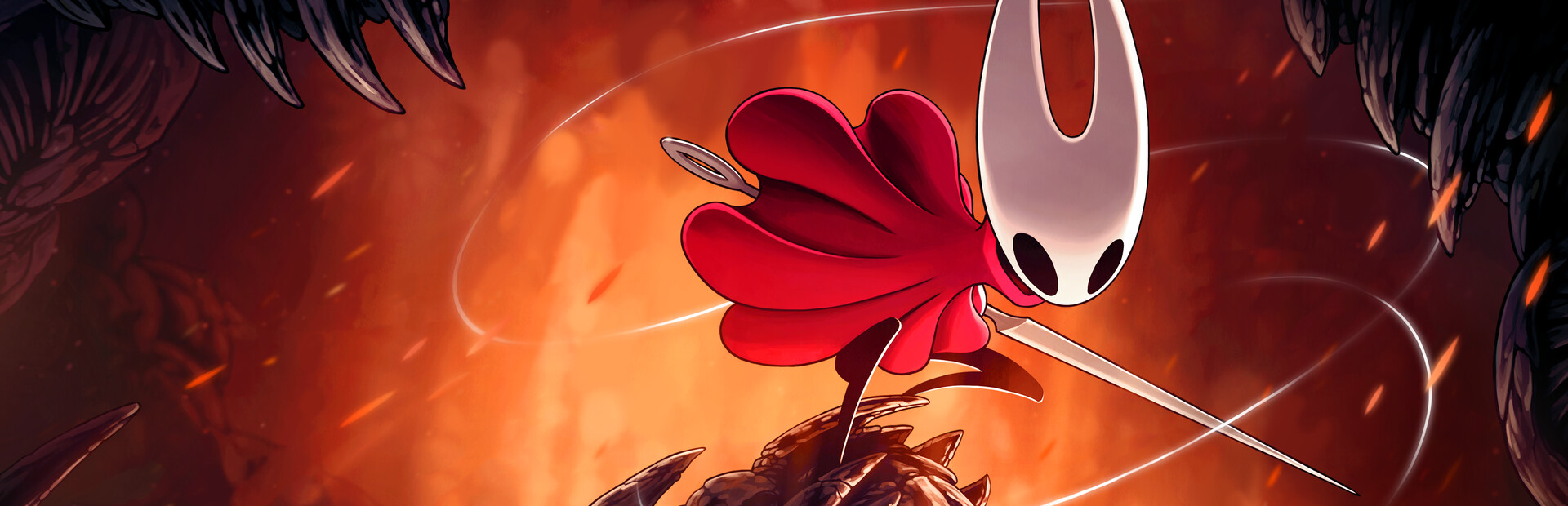
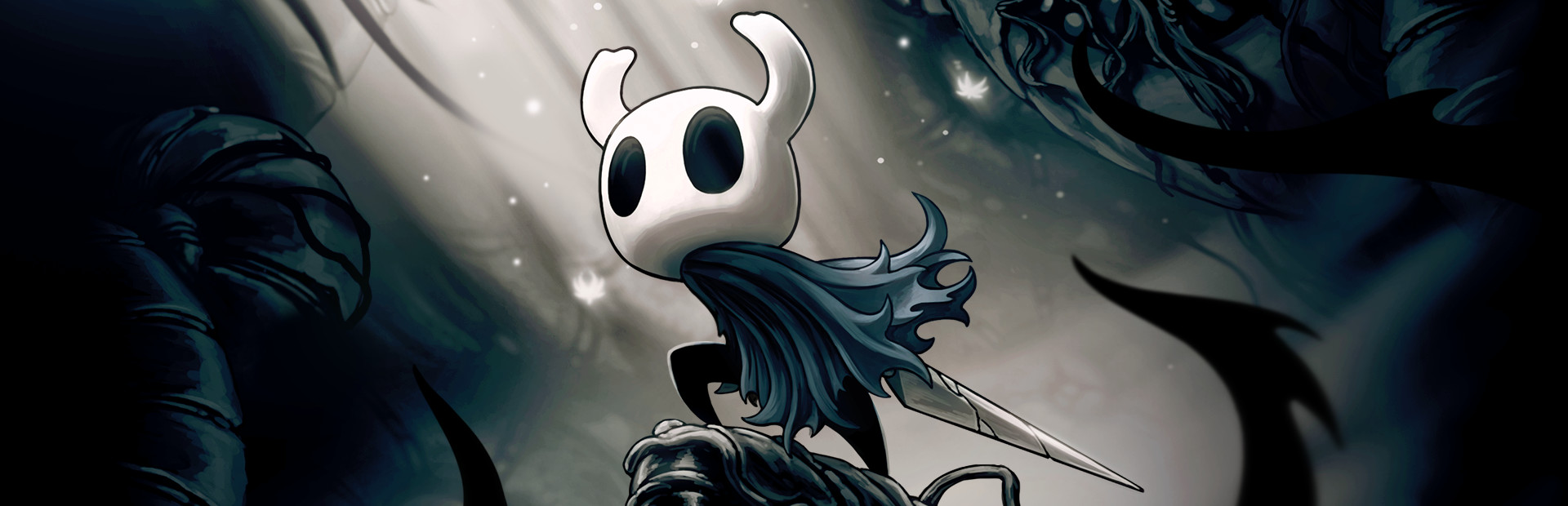
Hollow Knight drops a small silent knight into Hallownest, a ruined underground kingdom of insects, and lets you explore it the old way: interconnected 2D spaces, abilities that unlock new routes, and secrets hidden far off the critical path. Its hand-drawn art, melancholy score and merciless difficulty turned a tiny Kickstarter project into the genre benchmark.
Built by William Pellen, Ari Gibson and David Kazi of Team Cherry, it launched on February 24, 2017 at $14.99 after raising AU$57,158 on Kickstarter — and its free content updates kept expanding it until its sequel Silksong made it one of the most famous indie games ever.
Gameplay
The design is classic Metroidvania executed with unusual rigour: every ability is a key, every region is a lock, and the map rewards obsession.
- Interconnected hand-drawn world with dozens of distinct regions
- Charm loadout system that customises builds without classes
- Parry, dash and spell combat with demanding boss fights
- Four free content packs added bosses, areas and quests
- Soul economy: healing costs the same resource as damage
- Deep optional content — the Path of Pain remains infamous
Gallery
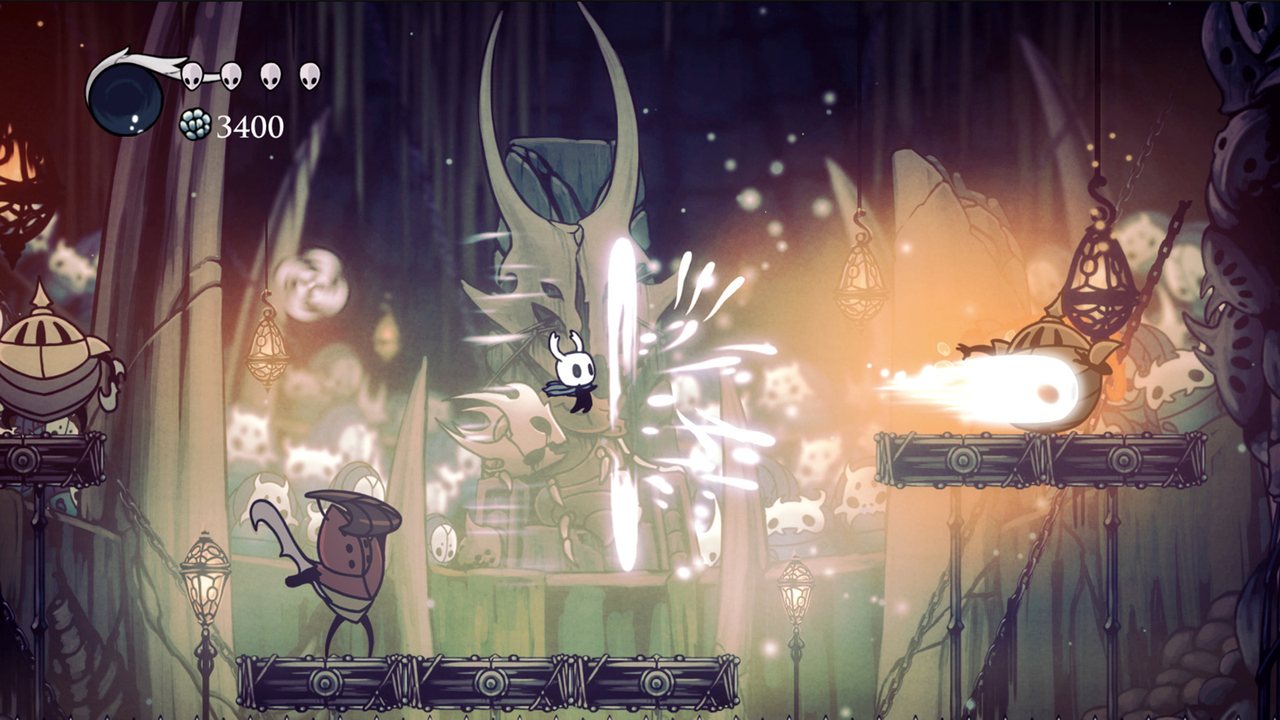
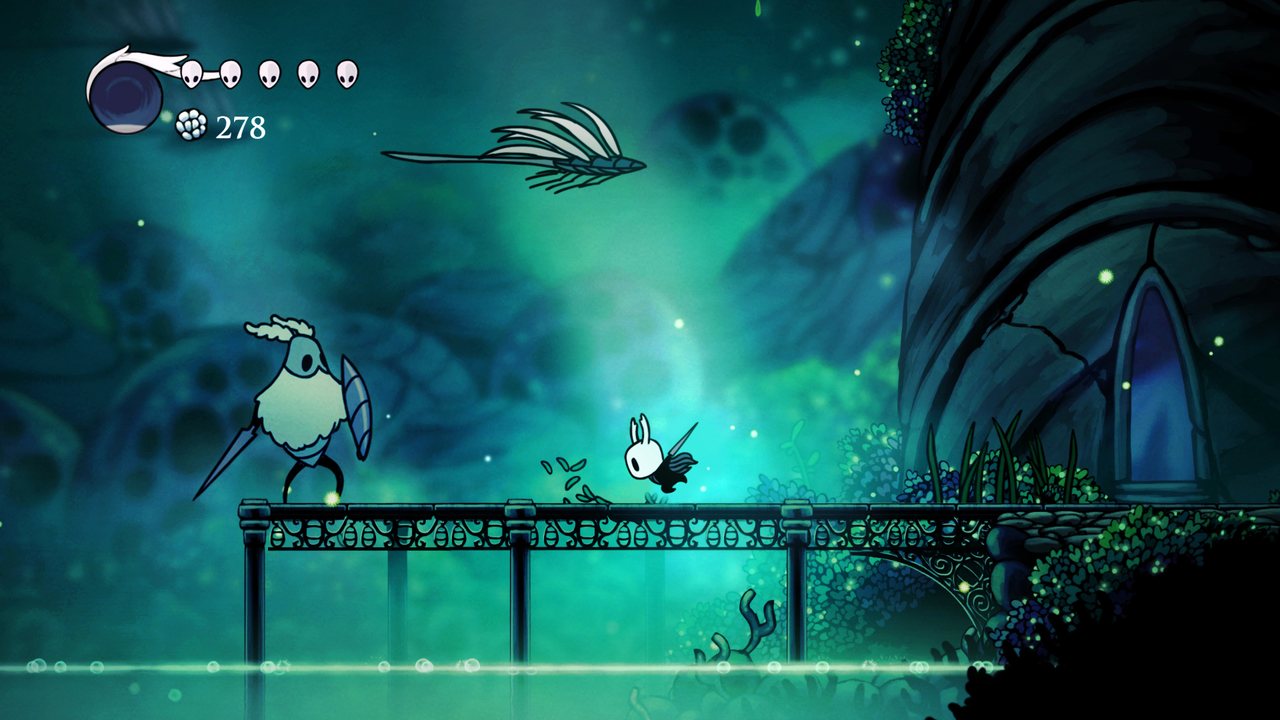
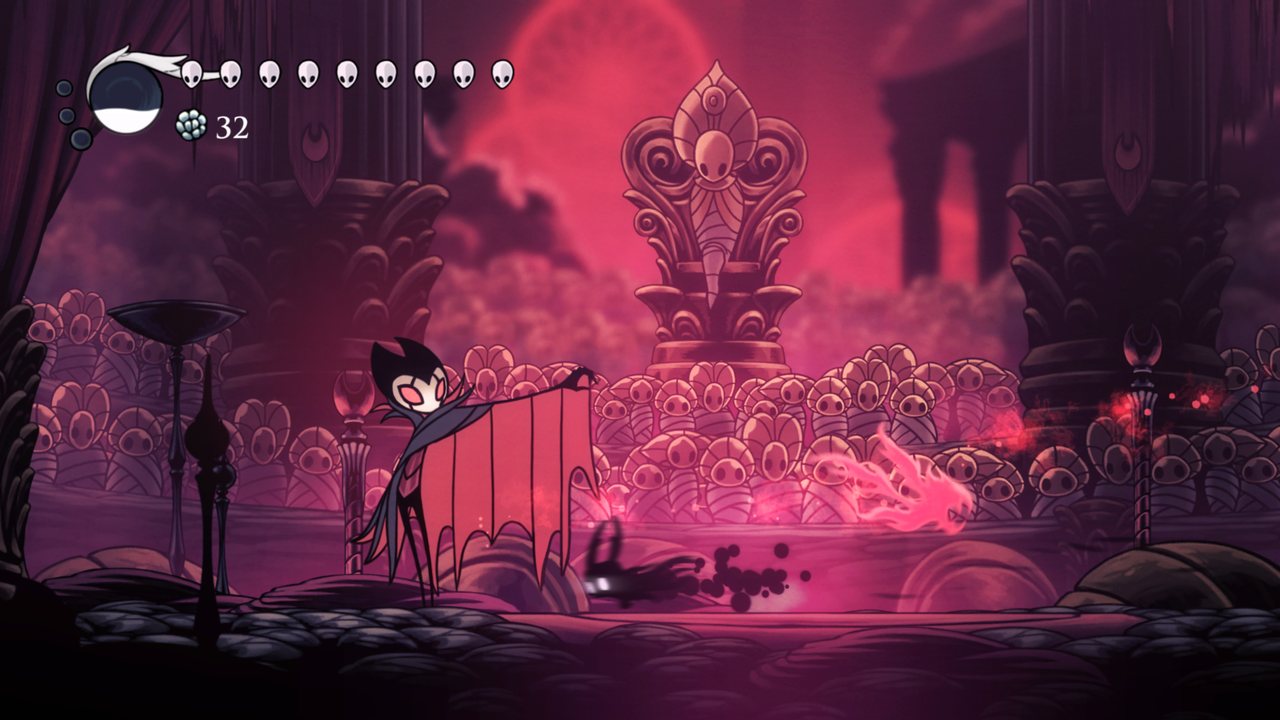
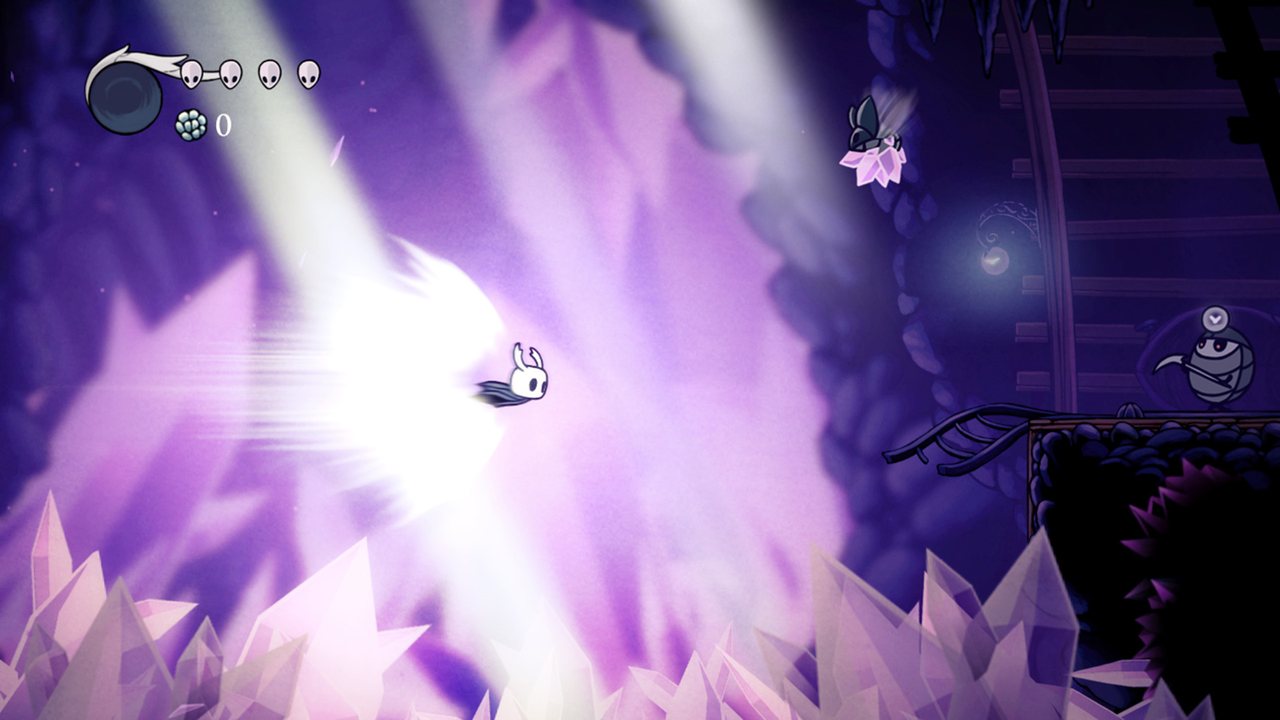
Images: official Steam store assets.
Development Story
Team Cherry was founded in Adelaide around a game-jam prototype of a bug knight. The 2013 Kickstarter asked for AU$35,000, reached AU$57,158, and the three-person team spent roughly three years building the world — Gibson directing art and animation, Pellen designing, Kazi engineering before later departing.
Their budget discipline became part of the legend: expensive-looking hand-drawn animation was kept limited per scene, audio was licensed, and the world's sense of scale came from layout and atmosphere rather than asset volume. Four substantial free updates then nearly doubled the original content over two years — an unusual act of generosity that cemented community loyalty.
Why It Succeeded
Team Cherry stated sales of 2.8 million copies by early 2019; third-party estimates since — driven by the enormous anticipation for Silksong — put lifetime sales at fifteen million or more. Hollow Knight became the default reference point for the modern Metroidvania, launching a wave of genre projects, and its community spent seven years dissecting every frame for hints about the sequel.
- 2.8M+ copies by early 2019, developer-stated
- Est. 15M+ lifetime copies across platforms
- Four free content updates post-launch
- Catalysed the 2017-2023 Metroidvania renaissance
- Its sequel Silksong became one of the most-wishlisted games ever
Lessons for Indie Developers
- A game-jam prototype can be the first scene of your pitch video.
- Hand-drawn art scales through restraint per scene, not through headcount.
- Free post-launch content is the cheapest marketing a small studio can buy.
- Atmosphere is cheaper than assets: layout, sound and colour do the work.
- Be generous with your community and it will wait seven years for your sequel.