Overview
Papers, Please puts you at the checkpoint of Arstotzka, a fictional Eastern-bloc state in 1982. Travellers present passports and documents; you inspect them against an ever-growing rulebook, then approve or deny. Every decision ripples outward: your family needs heat and food, the state pays per decision, and mistakes bring citations.
Lucas Pope designed and coded the entire game under his one-person label 3909, releasing it on August 8, 2013 at $9.99. It became the founding work of the bureaucracy-sim niche and one of the most awarded indie games of its decade.
Gameplay
The design takes one mundane verb — inspecting documents — and escalates it with rule changes, narrative events and moral dilemmas until stamping feels like defusing a bomb.
- Inspect passports, permits, fingerprints and seals against daily rules
- Money management: rent, food and medicine for your family at home
- Narrative branches triggered by who you let through
- Twenty endings across the story mode
- Endless mode with score rules for high-stakes replays
- A deliberately oppressive pixel-art presentation and diegetic sound
Gallery
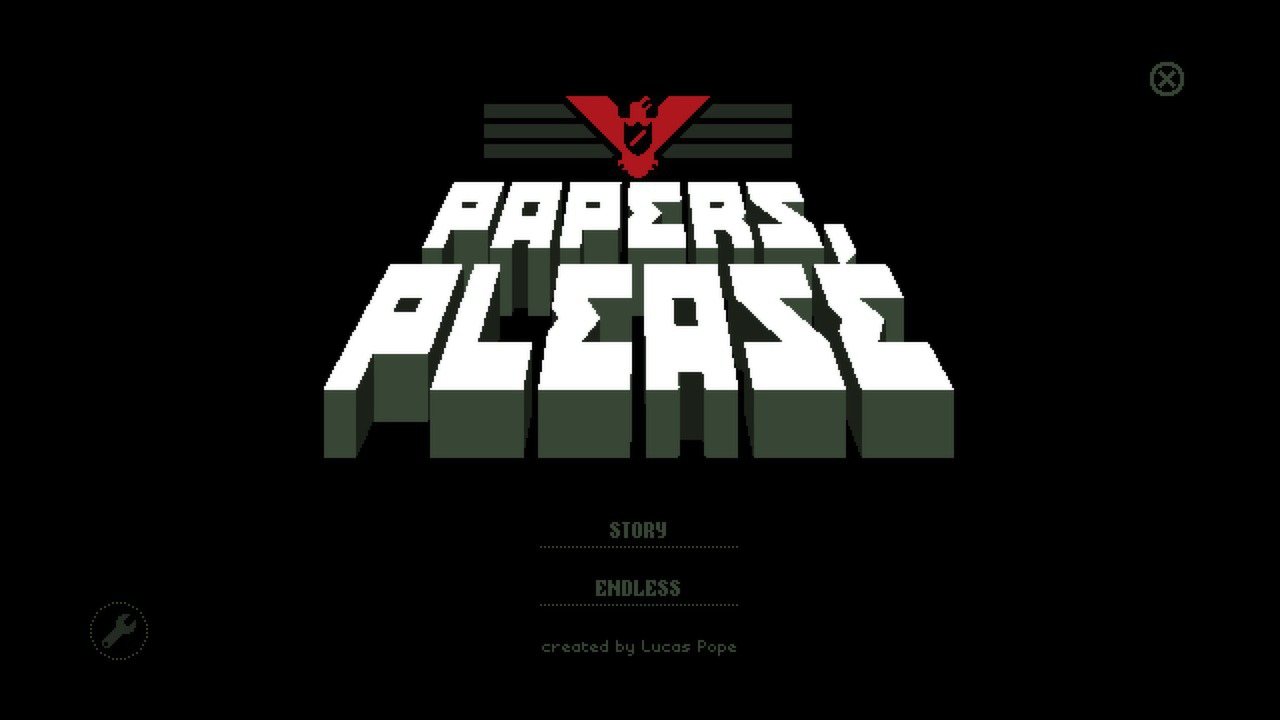
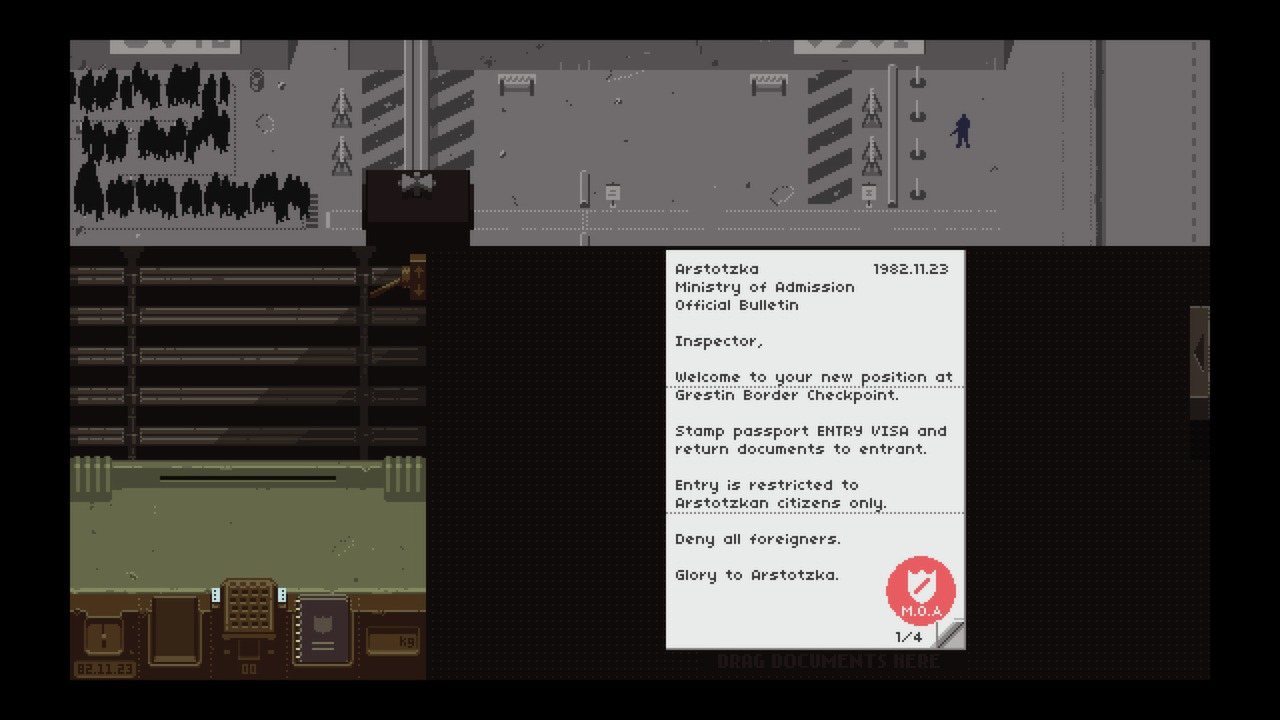
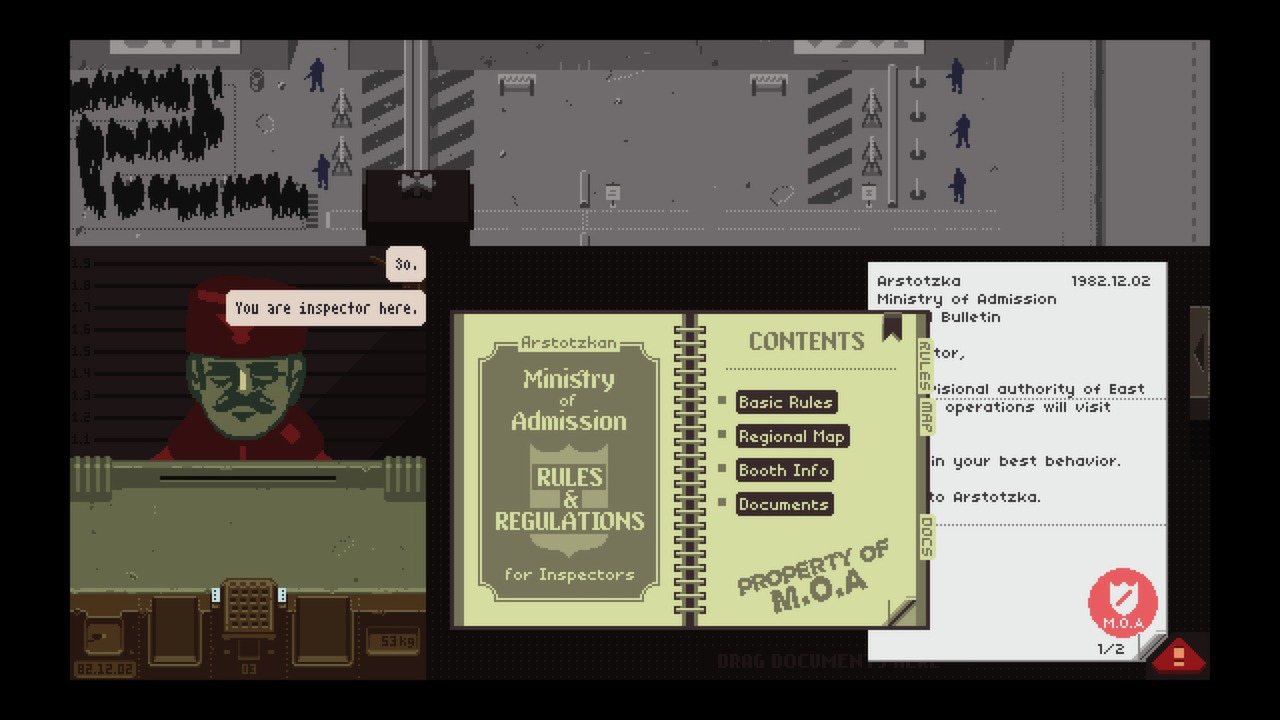
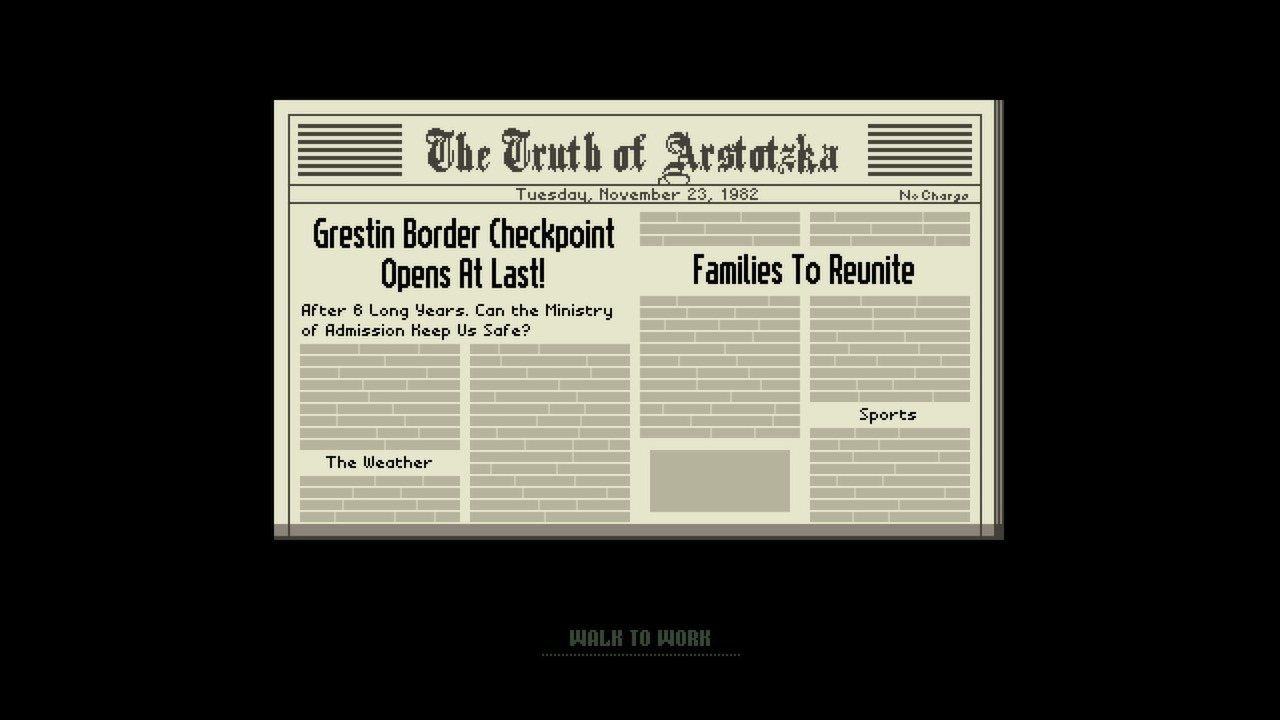
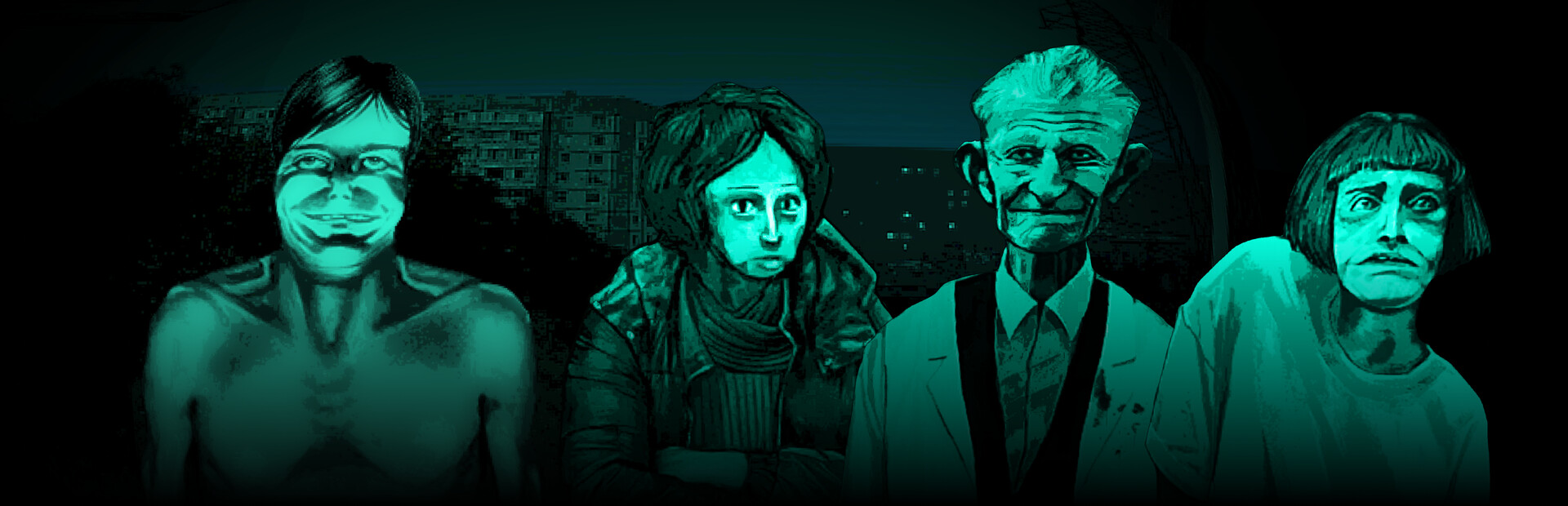
Images: official Steam store assets.
Development Story
Pope left Naughty Dog, where he had worked on big-budget titles, to build small experimental games. Papers, Please grew out of a three-month festival prototype and a simple question: what if border control were a puzzle game? He funded it himself, worked about nine months, and shipped the whole thing — art, code, music, writing — alone.
The constraint became the aesthetic. The grey palette, chunky pixel faces and droning ambience cost little to produce but perfectly match the theme of a collapsing surveillance state. Pope has said the goal was not fun but tension, and the design refuses every chance to make the player feel powerful.
Why It Succeeded
In 2016 Pope publicly shared the game's lifetime sales: 1,804,232 copies across platforms, on a self-funded budget of effectively zero. Papers, Please swept awards — the IGF 2014 Grand Prize, a BAFTA, and multiple Game Developers Choice honours — and became a staple of games-as-literature discussions. Its bureaucracy-sim DNA is visible in everything from Not Tonight to Beholder to Pope's own Return of the Obra Dinn.
- 1.8M copies sold by 2016, developer-disclosed
- IGF 2014 Grand Prize winner and BAFTA winner
- Effectively zero external budget: solo, self-funded, nine months
- Spawned a bureaucracy-sim niche followed by many imitators
- Still cited in game-design courses for mechanic-as-message design
Lessons for Indie Developers
- One mechanical verb, escalated, can carry an entire game.
- Tension and moral weight are marketable when fun is not the goal.
- A tiny, self-funded project can out-compete studio products on idea density.
- Visual restraint — grey pixels, harsh sound — is a style, not a compromise.
- Disclosing your sales openly buys enormous community goodwill.