Overview
Slay the Spire 2 is MegaCrit's follow-up to the 2019 game that effectively created the roguelike deckbuilder genre. It entered Steam Early Access on March 5, 2026 at $24.99 with five playable characters — Ironclad, Silent, and Defect returning, joined by newcomers The Regent and The Necrobinder — plus a franchise-first 1-4 player online co-op mode.
The launch was historic: 574,000+ peak concurrent players, 3 million copies sold in the first week (confirmed by MegaCrit), and an estimated 4.6 million copies and $92 million gross within two weeks (Alinea Analytics) — more than the lifetime Steam earnings of Hollow Knight: Silksong or Hades 2. Players attempted 25 million runs in week one, and 145 million in the first month.
Gameplay
The core loop is the one the original defined: climb the Spire, draft cards, build synergies, die, repeat. The sequel layers on a full co-op mode where up to four players fight the same encounters simultaneously, enemy HP scales with party size, and multiplayer-specific cards reward coordination. Unlocking now flows through story cards called Epochs that also deliver lore.
- 5 characters at EA launch, including new Regent (star economy) and Necrobinder (minion Osty)
- 1-4 player online co-op — a series first
- Simultaneous turns in multiplayer with scaling enemy HP
- Epochs: story cards that gate unlocks and reveal lore
- Public beta branch for testing balance changes
- Planned: alternate Acts 2 and 3, more cards, events, relics, Workshop support
Gallery
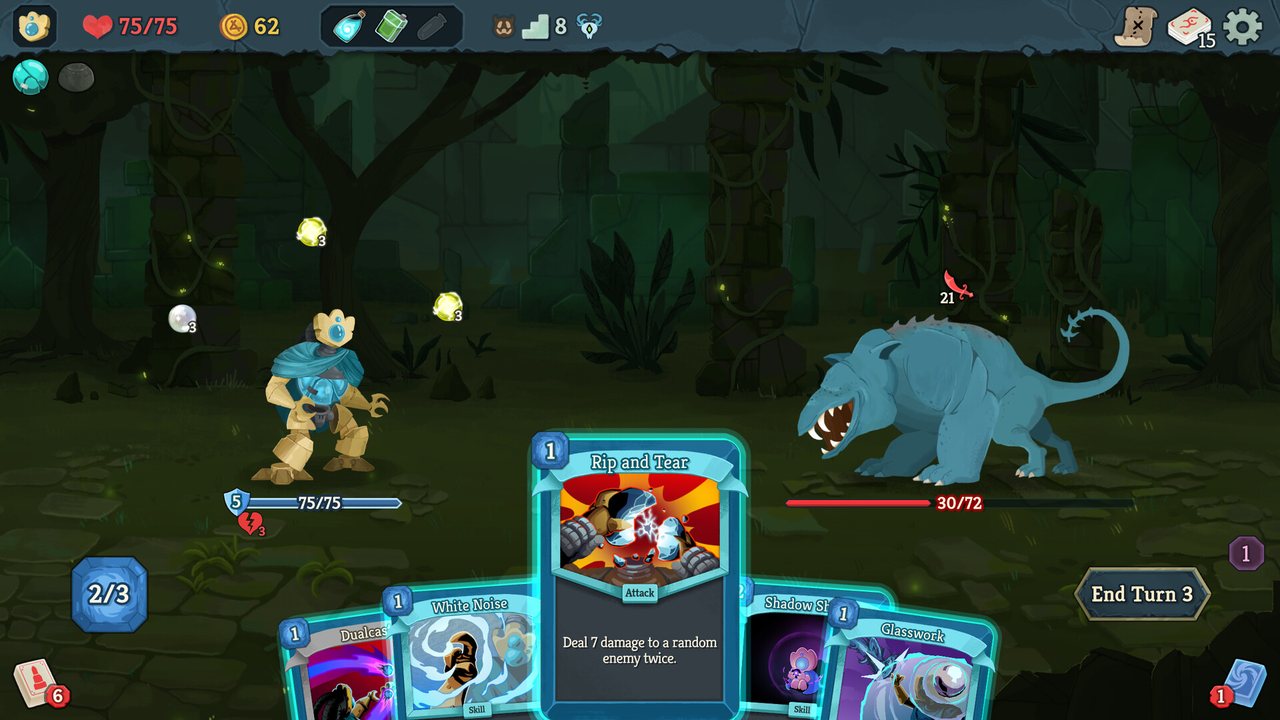
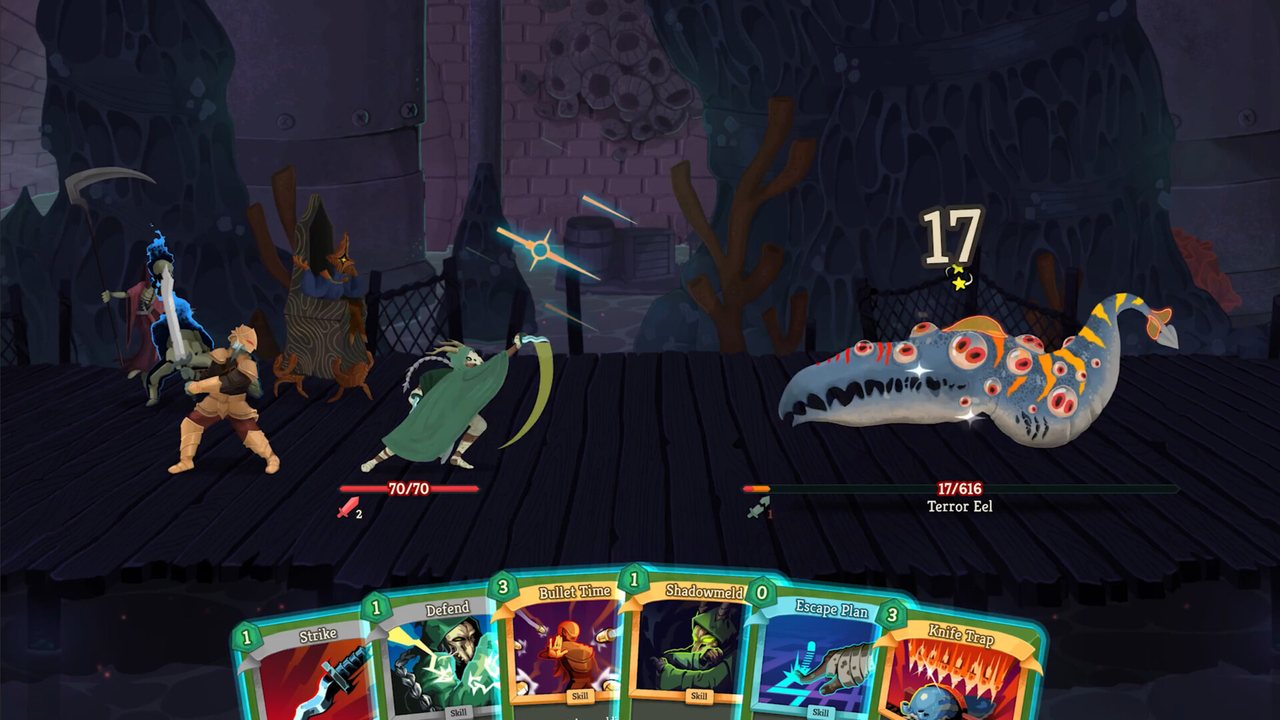
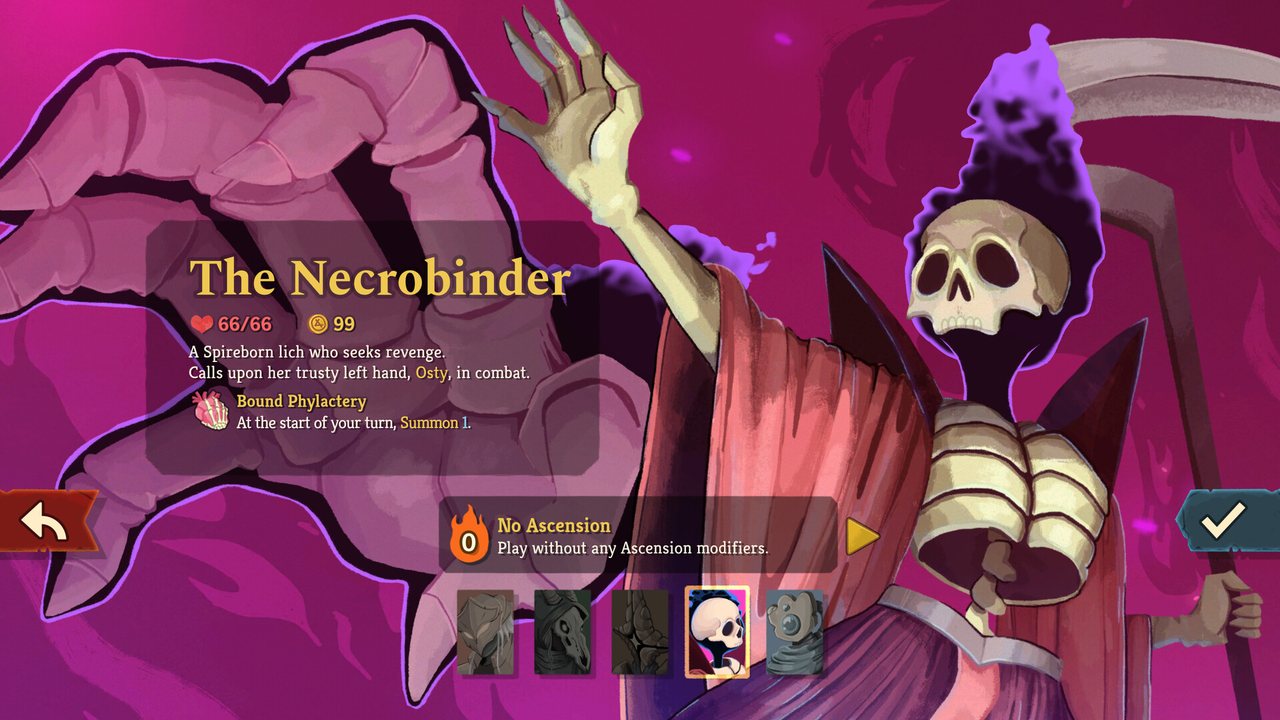
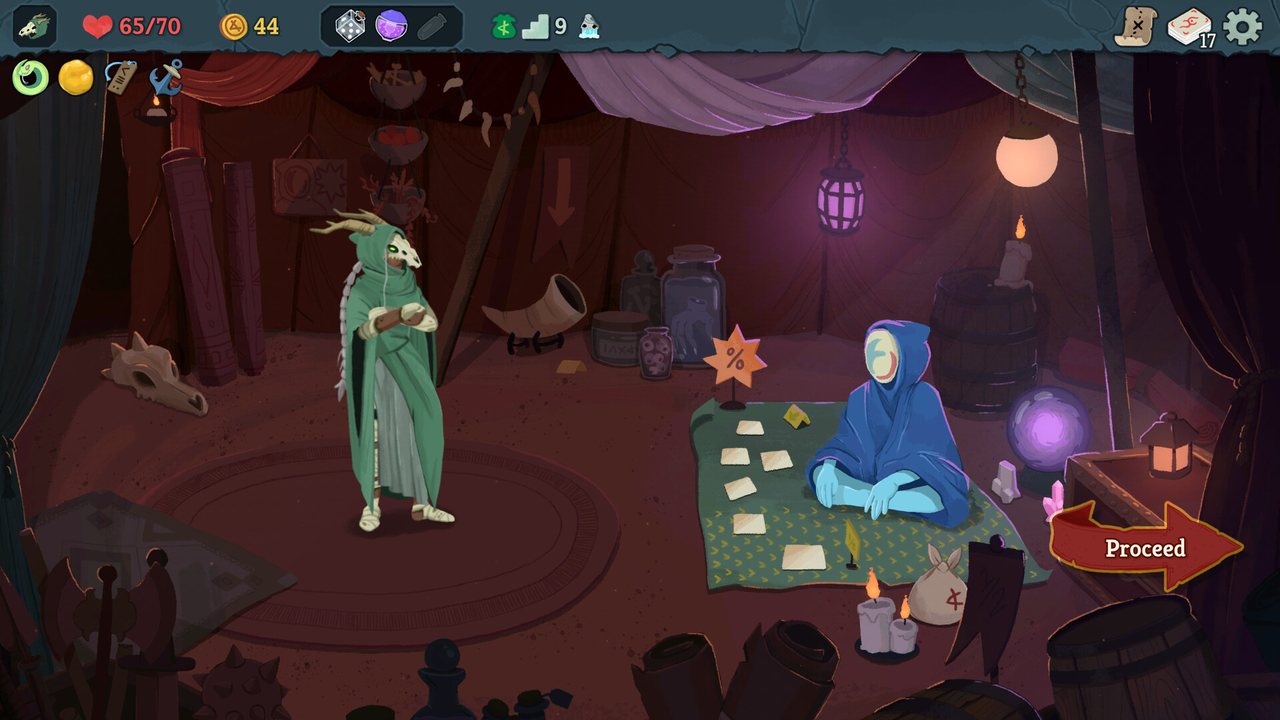
Images: official Steam store assets.
Development Story
MegaCrit began as a two-person studio — co-founders Anthony Giovannetti and Casey Yano — and grew to roughly ten core members plus contributors (including composer Clark Aboud) across about five years of development. The team has been explicit about refusing to scale up: they work at a deliberately healthy pace, ship no fixed roadmap, and push updates "when ready" through a public beta branch.
The launch was not without turbulence. An aggressive March 19 balance patch that broke infinite-combo decks triggered the first review-bomb wave, and a later credits controversy triggered a second — yet the game's overall rating stayed Overwhelmingly Positive on sheer volume of happy players, and MegaCrit kept shipping, including replacing an unpopular Act 3 boss and adding the long-requested Bestiary.
Why It Succeeded
By raw numbers this is one of the biggest indie launches in Steam history — from a team of about ten. It also converted an enormous share of wishlists: an estimated 34% wishlist-to-purchase rate in two weeks, against an industry norm of 7-10%, with about 40% of players having never touched the original.
- 3,000,000 copies in week 1; 25,000,000 runs attempted
- Est. 4.6M copies and $92M+ gross in two weeks (Alinea Analytics)
- 574,638 peak concurrent players — top 20 in Steam history
- 145 million runs in the first month
- #1 on Steam global top sellers at launch
Lessons for Indie Developers
- Creating a genre compounds: StS1 invented the category, and the sequel harvested eight years of accumulated demand.
- Co-op turned a solitary card game into a social event — and a second purchase driver.
- A small team can operate at AAA launch scale if scope stays mechanical, not cinematic.
- Refuse crunch and fixed roadmaps; a public beta branch channels impatient players productively.
- Balance patches are live-ops moments — bad ones trigger review bombs, fast reversals rebuild trust.
- 34% wishlist conversion came from years of community trust, not launch-week marketing.