Overview
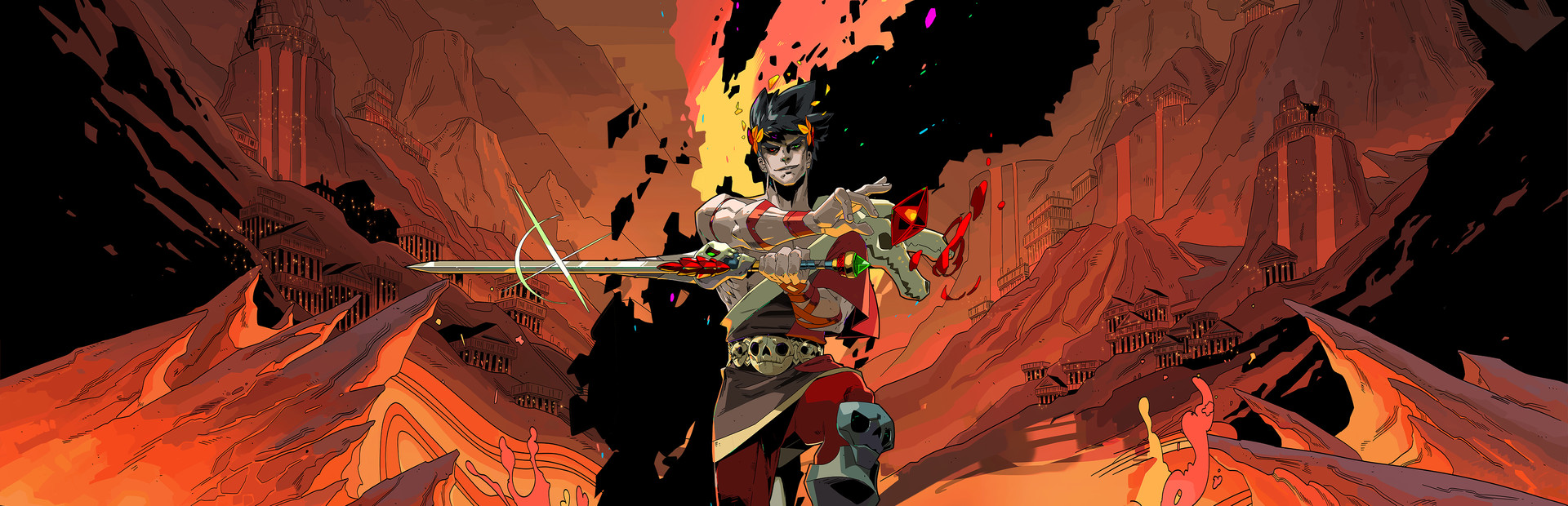
Hades is a roguelike dungeon crawler built on Greek mythology: as Zagreus, son of Hades, you fight your way out of the underworld again and again, dying constantly — and every death sends you home to a story that keeps changing. Characters remember you, relationships deepen, and the loop of failure becomes the narrative itself.
Supergiant Games — the studio behind Bastion and Transistor — released it in Early Access in December 2018 and hit 1.0 on September 17, 2020, selling more than a million copies during Early Access alone before winning the first Hugo Award ever given to a video game.
Gameplay
Hades' innovation is structural: it makes permadeath the engine of its narrative instead of a punishment, so the meta-progression is emotional as well as mechanical.
- Fast isometric combat with six weapons and aspect variants
- Boons from Olympian gods that stack into build-defining synergies
- Story scenes that trigger on every death and every return
- Meta-progression via the Mirror of Night and permanent unlocks
- Full voice acting on a scale almost unheard of in indies
- Post-game true ending and endless Heat difficulty for veterans
Gallery
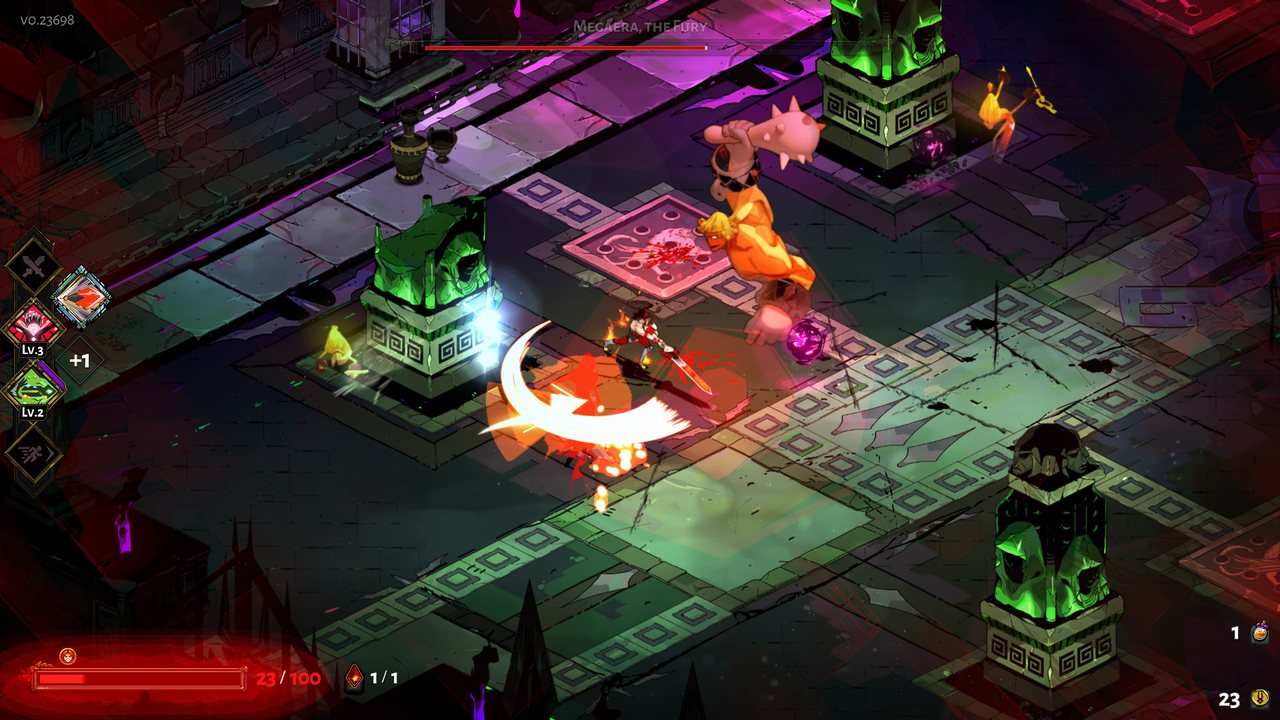
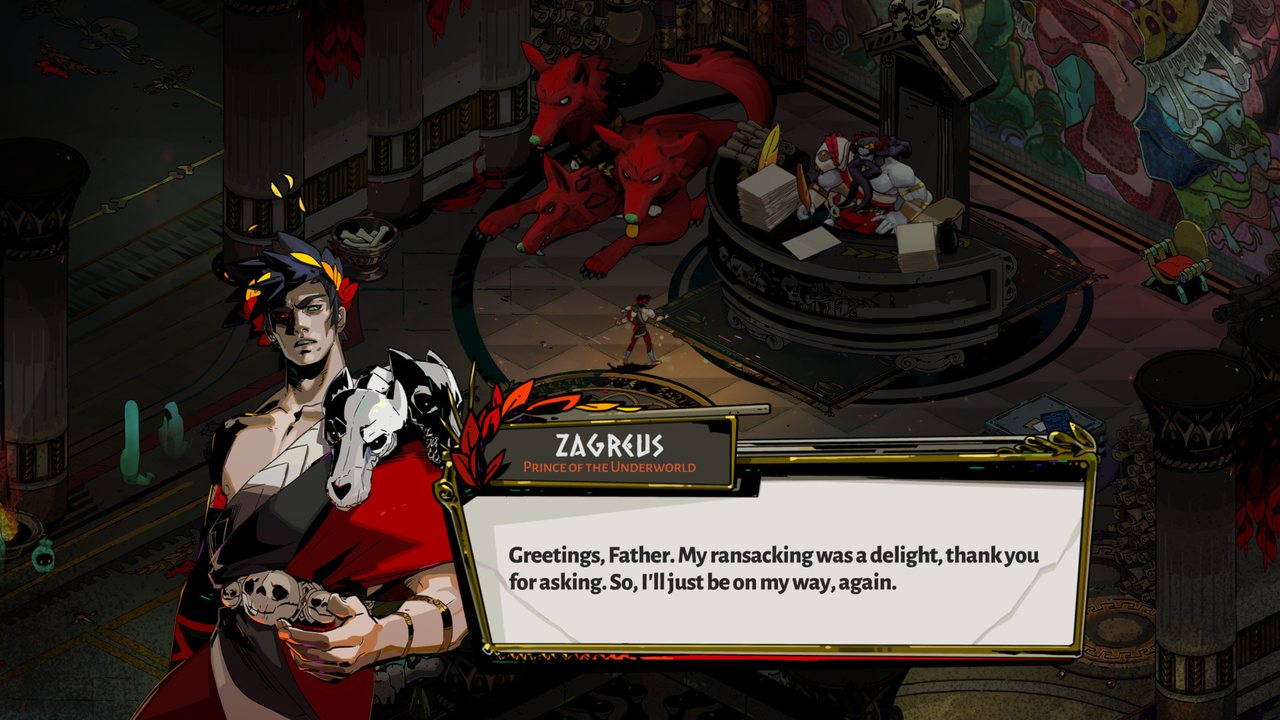
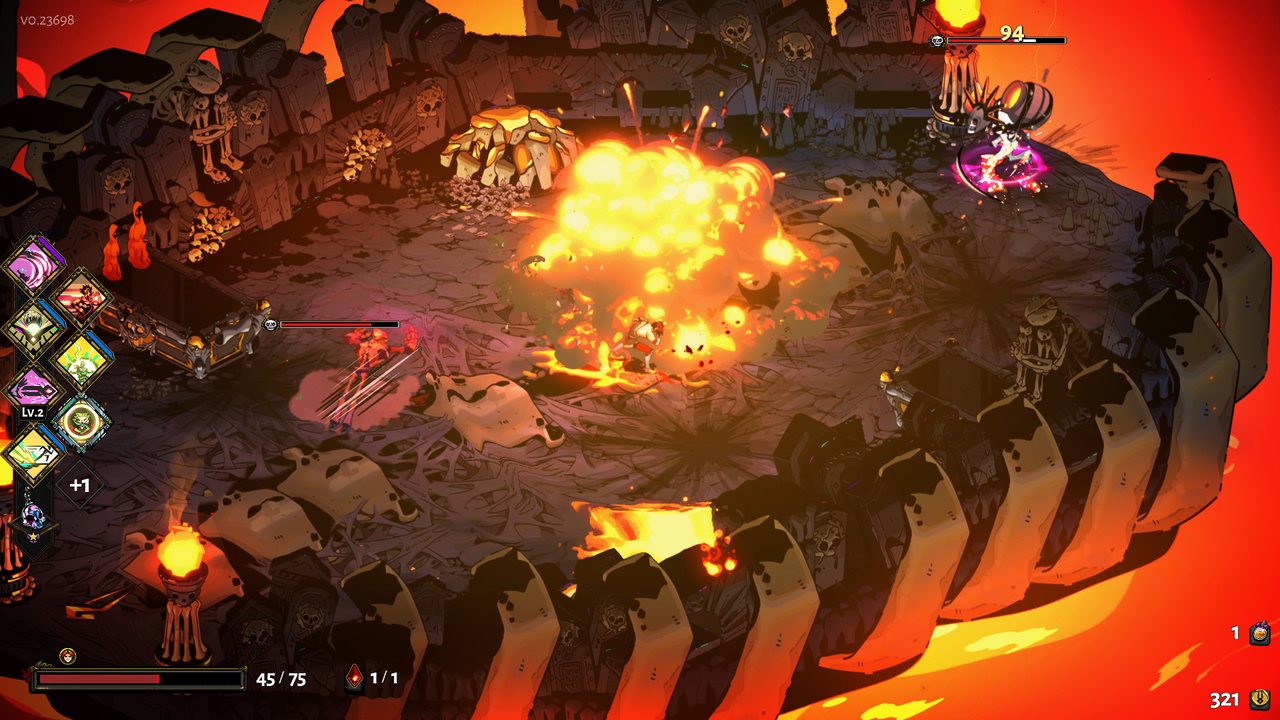
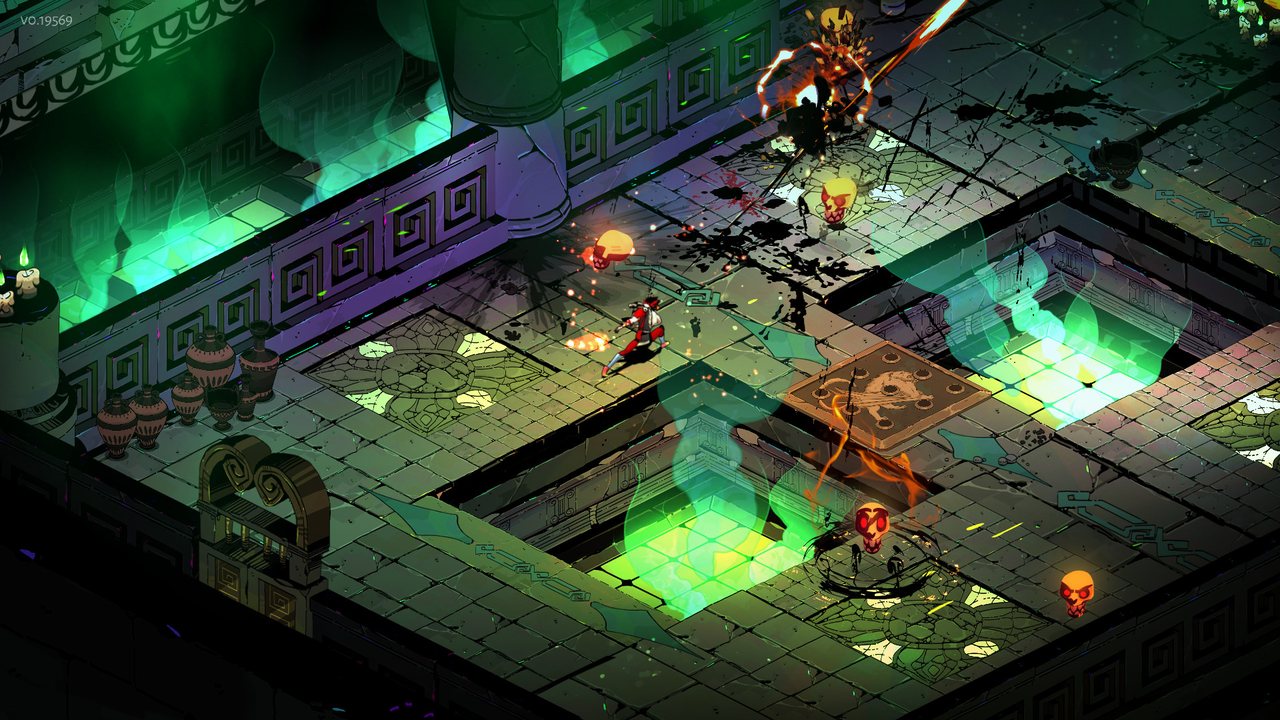
Images: official Steam store assets.
Development Story
Supergiant had a distinctive culture: about twenty people, everyone contributing across disciplines, every game a new genre. Hades was their first Early Access title, and the studio used the model ruthlessly well — releasing major content patches on a schedule, gathering balance feedback, and building the story's huge amount of recorded dialogue incrementally over two years.
The design insight came from the genre's weakness. Roguelikes waste their narrative on restart; Supergiant made restart the narrative. Death became a reason to see more of the characters, not less — turning the genre's most frustrating moment into its most anticipated one.
Why It Succeeded
Hades sold over one million copies in Early Access before launch, then swept the industry's awards: the first video game ever to win a Hugo Award, plus BAFTA, DICE and Game Developers Choice game-of-the-year honours. Lifetime sales are estimated at ten million or more across platforms, and its success directly shaped how later roguelikes think about story integration.
- 1M+ copies sold during Early Access (developer-stated)
- First video game to win a Hugo Award (2021)
- Est. 10M+ lifetime copies across PC, Switch, PlayStation and Xbox
- 100% complete voice acting — thousands of recorded lines
- Its death-as-story structure is now a design reference point
Lessons for Indie Developers
- Turn your genre's biggest frustration into its best feature.
- Early Access works when each patch is a real content event.
- A 20-person team can out-produce studios by finishing things daily.
- Systemic gameplay and authored story can reinforce each other, not compete.
- A strong house style (music, art, narrative) compounds across games.