Overview
Phasmophobia is a four-player online co-op psychological horror game. Teams of paranormal investigators enter a haunted location with specialist equipment — EMF readers, spirit boxes, thermometers, cameras, UV lights — and must identify which type of ghost is present before the entity identifies them.
It entered Steam Early Access on September 18, 2020 and was the debut release from Kinetic Games, a British studio that existed only because of the game itself. The hook is simple and social: the ghost reacts to your microphone, so the thing that keeps you alive in every other horror game — talking to your friends — is what gets you killed.
Gameplay
The loop is investigation, deduction and escape. You gather evidence, cross-reference it against a journal of ghost types, then leave before the hunt begins. Because ghosts detect proximity and voice chat, sound design becomes a game mechanic: whispering, switching off your flashlight and standing still are real strategies.
- Up to four players in online co-op, with optional virtual reality support
- Voice-driven ghosts that react to players speaking in-game
- Evidence-based deduction: EMF, spirit box, UV, writing book, D.O.T.S.
- Respawn-free fear curve: hunts escalate as sanity drains
- Difficulty and contract system that scales risk against payout
- Over a dozen haunted maps, from suburban houses to a prison and asylum
Gallery
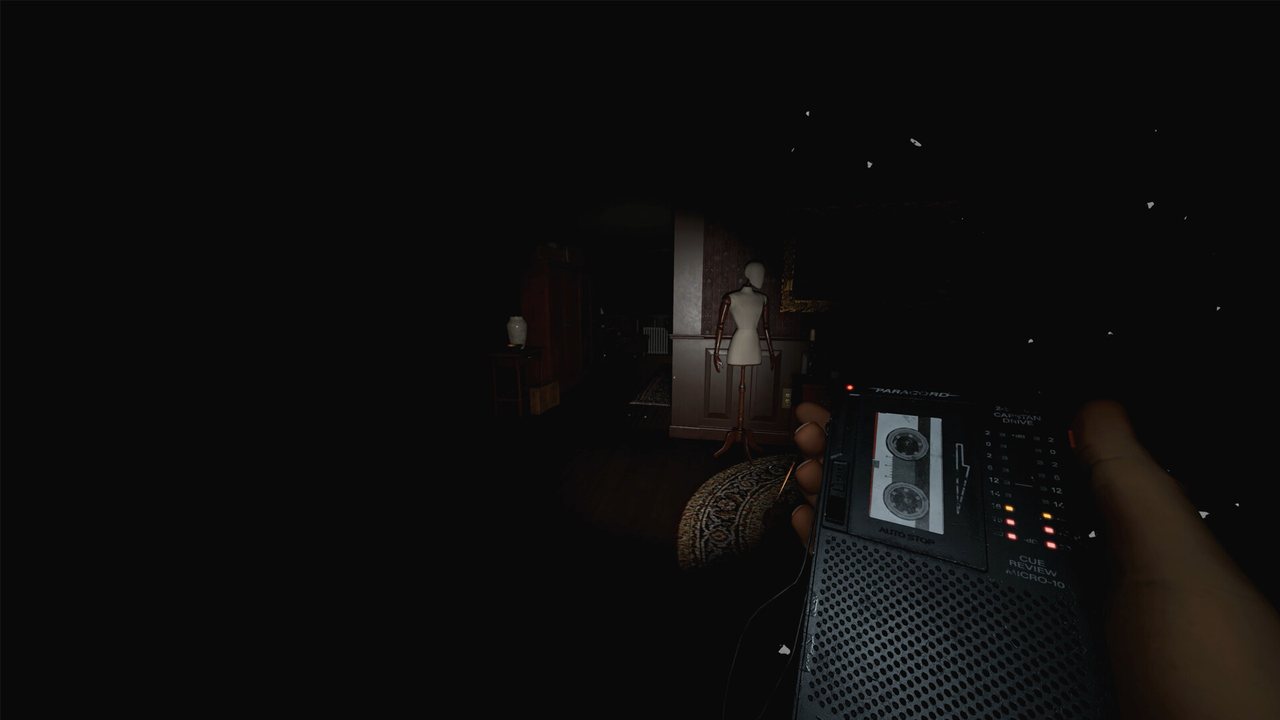
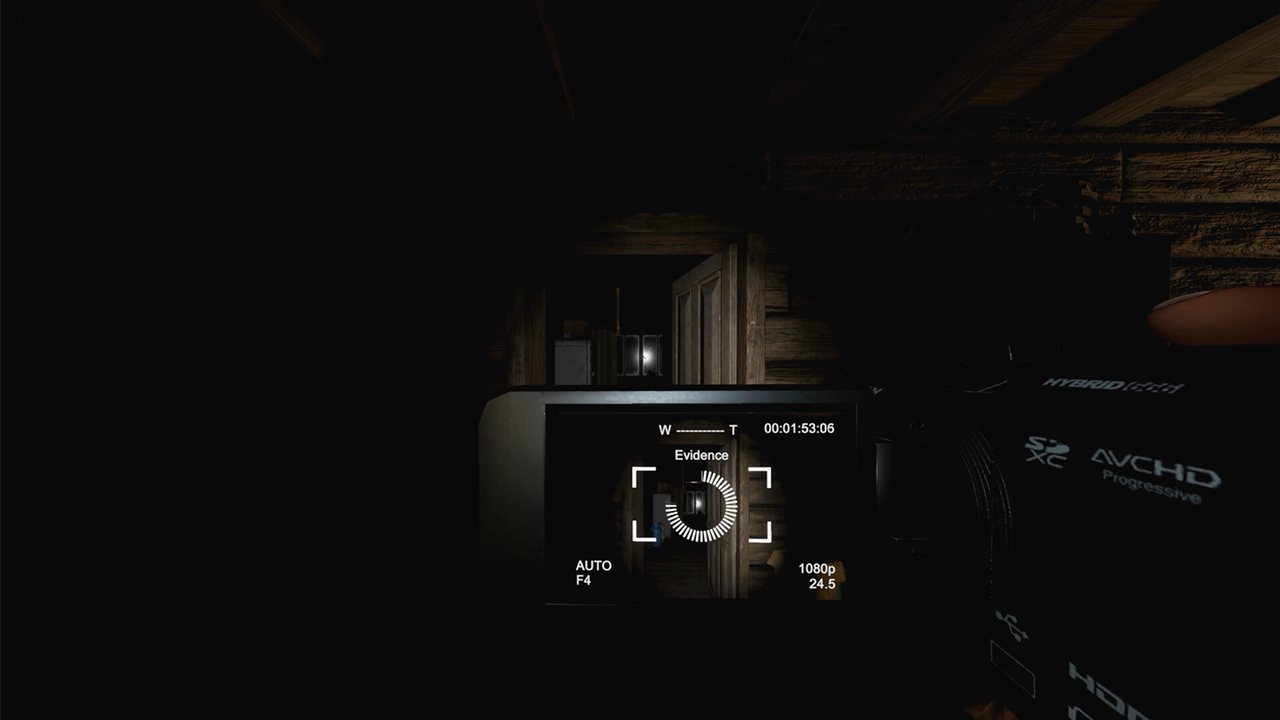
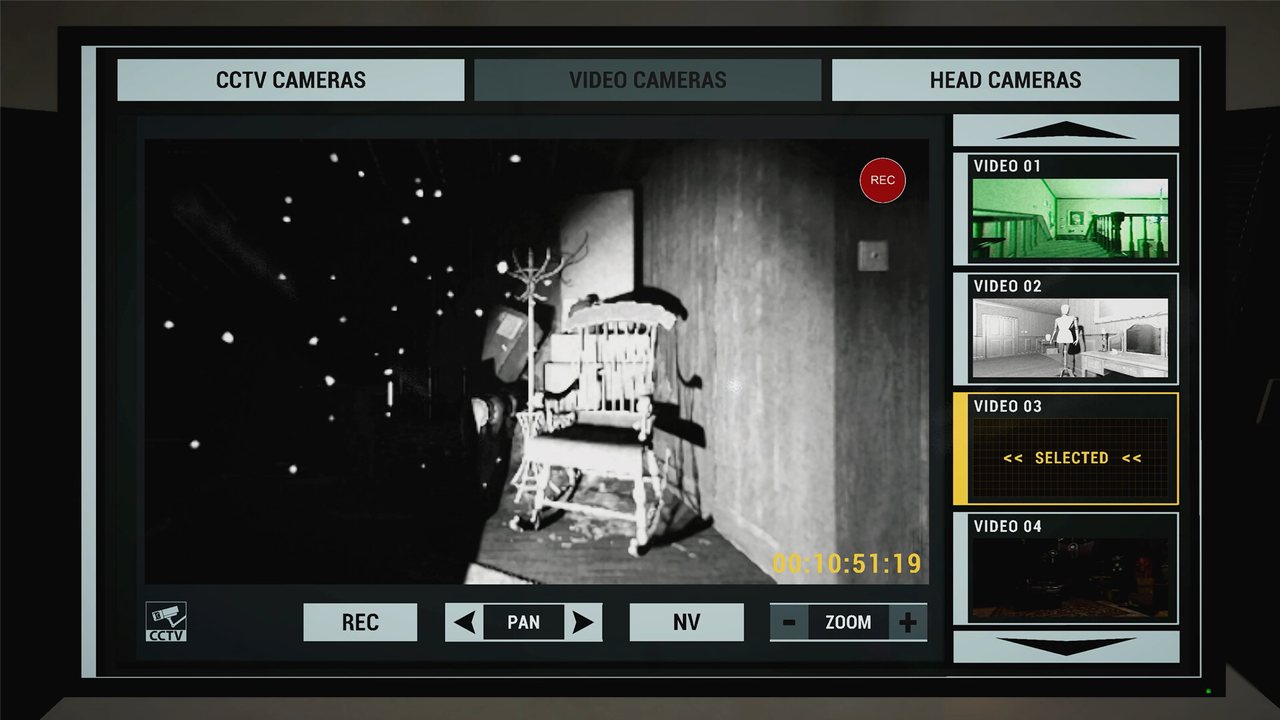
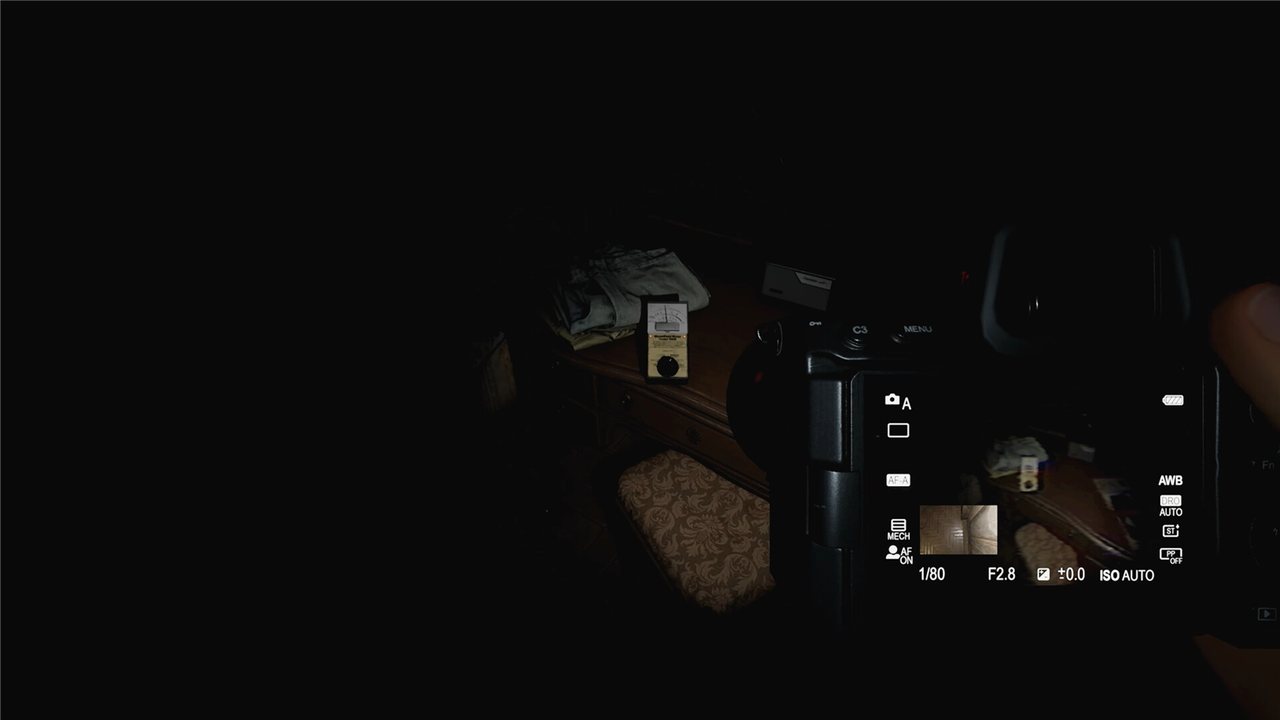
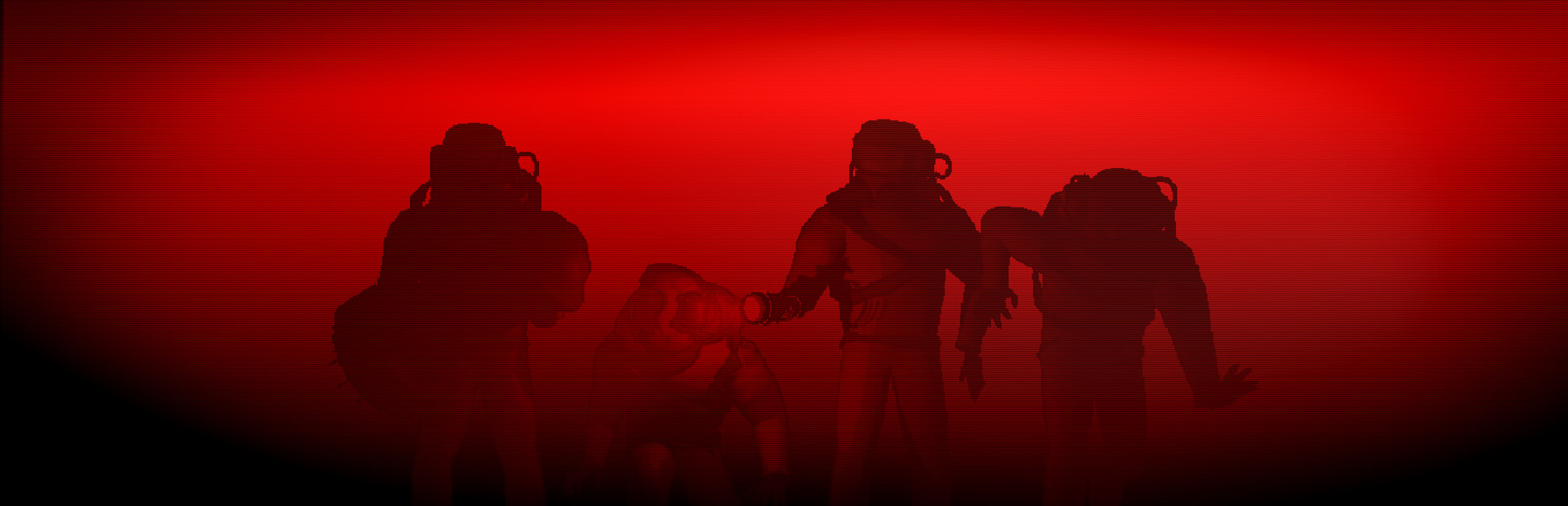
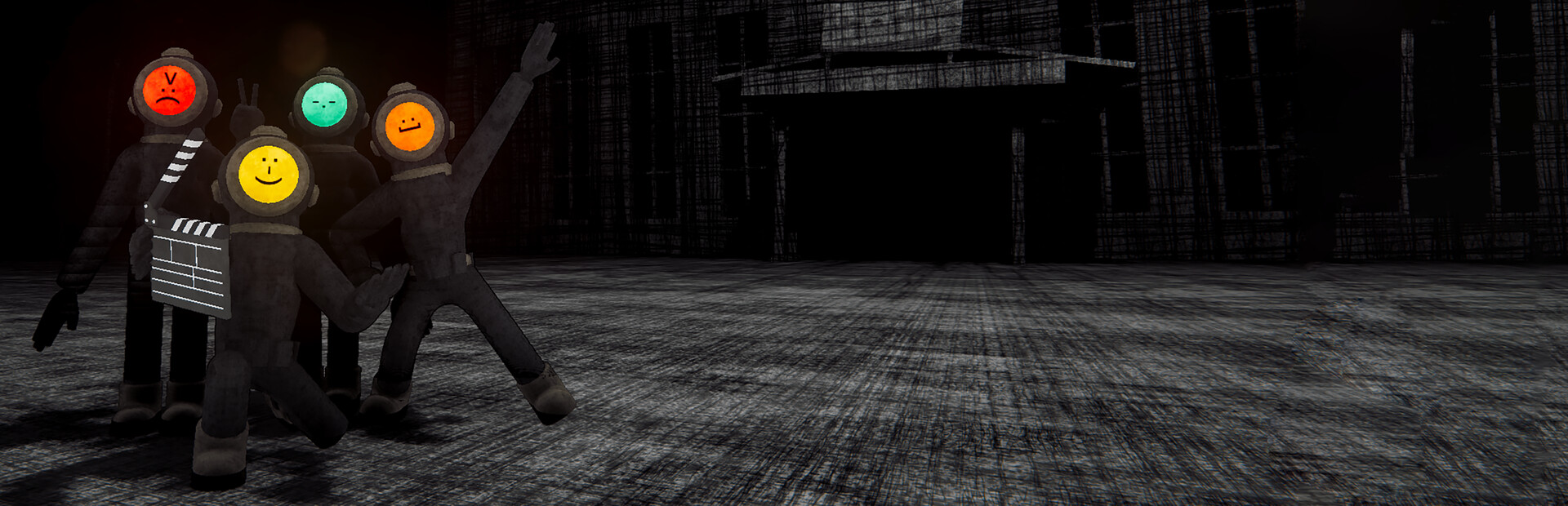
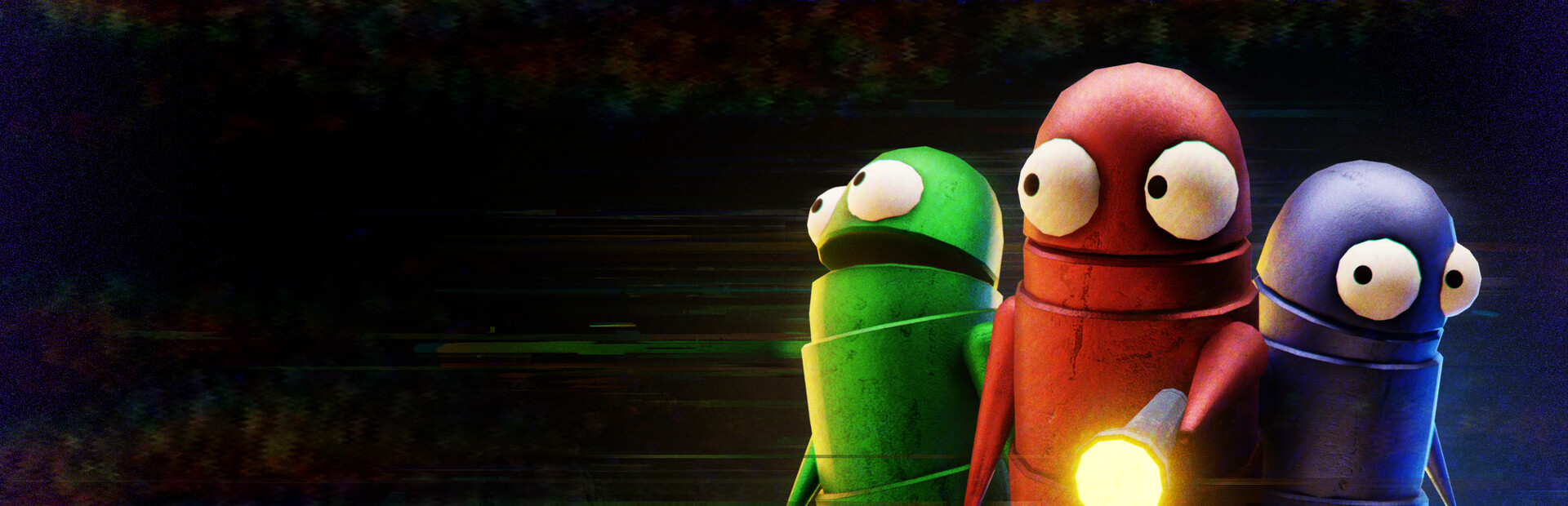
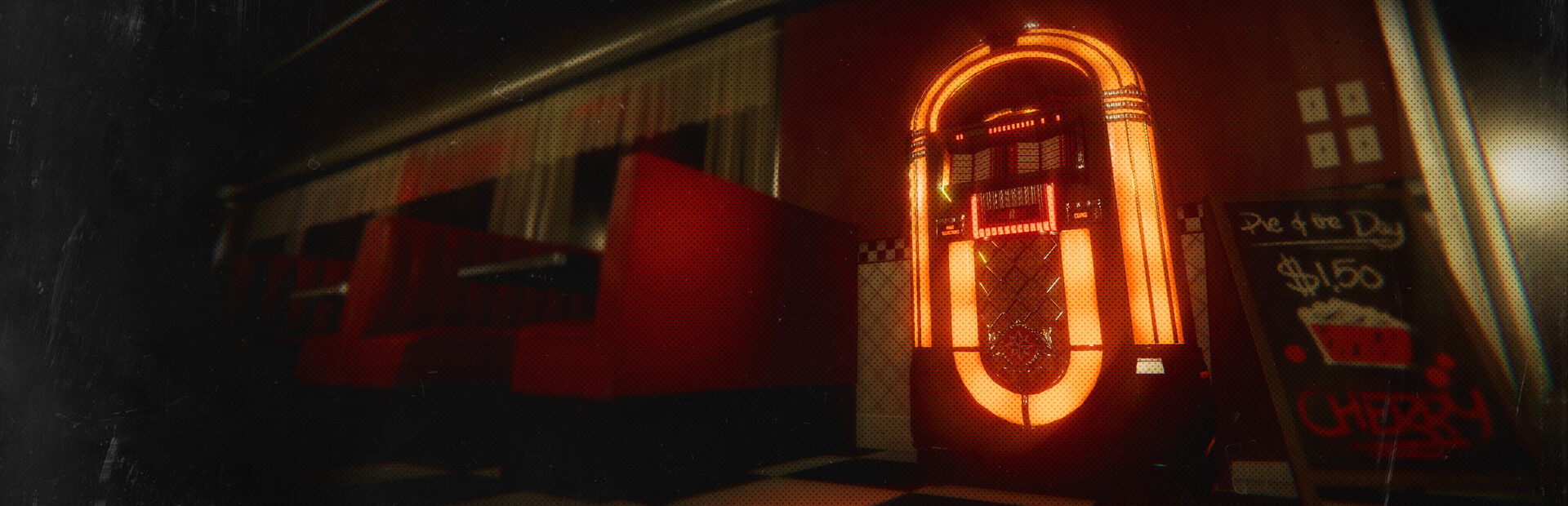
Images: official Steam store assets.
Development Story
Daniel Knight, known online as Dknighter, built the game almost entirely on his own. He has said the whole reason he made Phasmophobia was that the game he wanted to play did not exist, and that he had previously worked at a virtual reality company, which pushed the project toward VR-first design.
He had no marketing budget and no publisher. The game entered Steam Early Access in September 2020, sold roughly 10,000 copies on day one and about 100,000 in its first week. Within weeks of launch he was hiring, and the solo phase ended almost immediately. Kinetic Games Limited was incorporated on October 21, 2020; by January 2026 the studio had grown to about 40 people and had launched its own publishing label.
Why It Succeeded
The numbers escalated faster than any indie roadmap could absorb. Knight described reaching close to two million copies by Halloween 2020. By November 2024 the studio announced more than 20 million copies across Steam, PlayStation 5 and Xbox Series X|S, and by July 2025 that figure had reached 25 million. It holds an "Overwhelmingly Positive" rating with roughly 94% positive reviews, and the studio's filed accounts show turnover of £62.3 million for the year to October 2025 against £21.8 million a year earlier.
- About 10,000 copies day one, 100,000 in week one
- Close to 2 million copies by Halloween 2020
- Over 20 million copies by November 2024, 25 million by July 2025
- Console Early Access added 250,000 copies in its first two days
- All-time Steam peak of about 112,000 concurrent players on September 30, 2020
Lessons for Indie Developers
- Build the game you personally want to play — that gap is often a real market.
- Voice chat as a mechanic turns players into the horror, and players into content creators.
- A tiny scope plus one unforgettable hook beats a broad feature list.
- Streamer-friendly tension scales distribution without any ad spend.
- Paying attention to the audience and shipping steady updates turns a viral spike into a five-year business.