Overview
Terraria drops you into a procedurally generated 2D world with a pickaxe, a sword and an axe. Dig deep, build a town, fight bosses, summon monsters with forbidden items — the loop sounds simple, and it is, which is exactly why it has run for over a decade of free content updates.
Re-Logic built the original in about four months and released it on May 16, 2011 at $9.99. It has since sold more than 44 million copies across PC, consoles and mobile by the developer's own announcements, making it one of the best-selling games ever made.
Gameplay
Terraria's design hides enormous depth under a Minecraft-shaped surface: mining and building are the tutorial, but the game's real content is combat, boss progression and item hunting across a 2D world layered from sky islands to hell.
- Procedurally generated worlds with biomes from jungle to dungeon
- 4000+ items, from yoyos to summonable minions
- Dozens of boss fights anchoring progression tiers
- Building and town management with NPC housing
- Four free major updates (Journey's End and beyond)
- Cross-platform co-op and a thriving mod scene on PC
Gallery
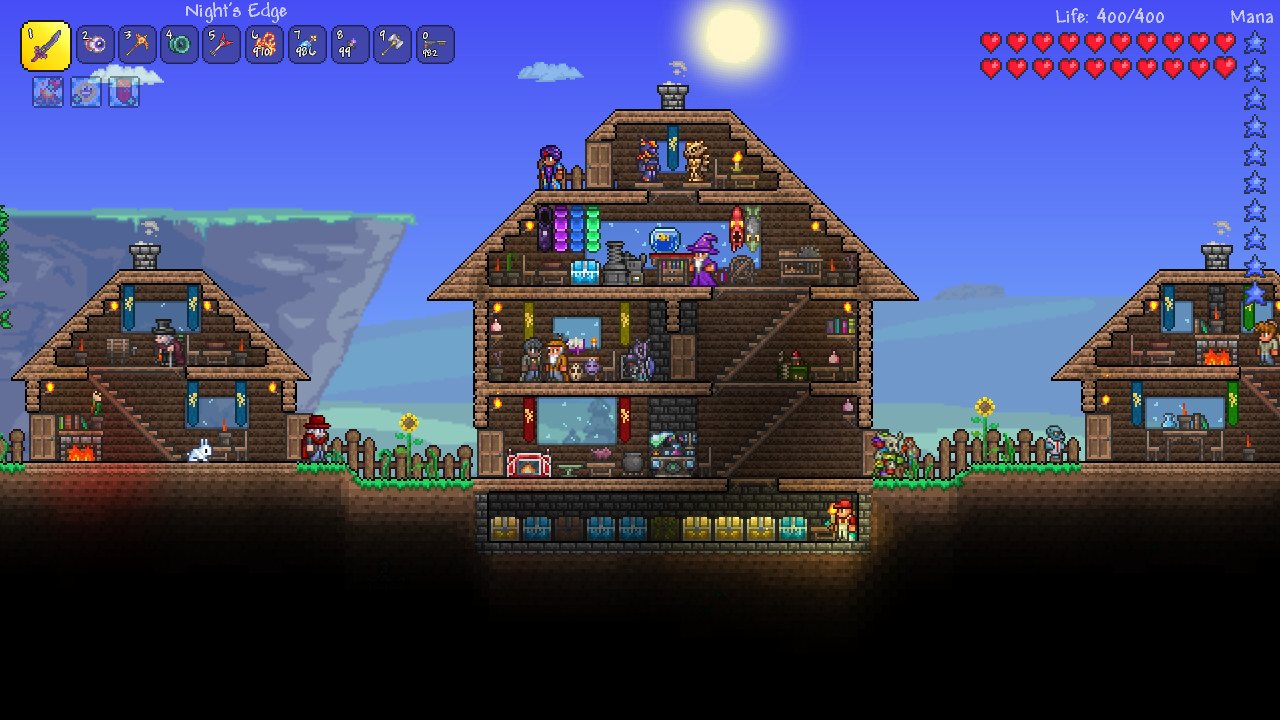
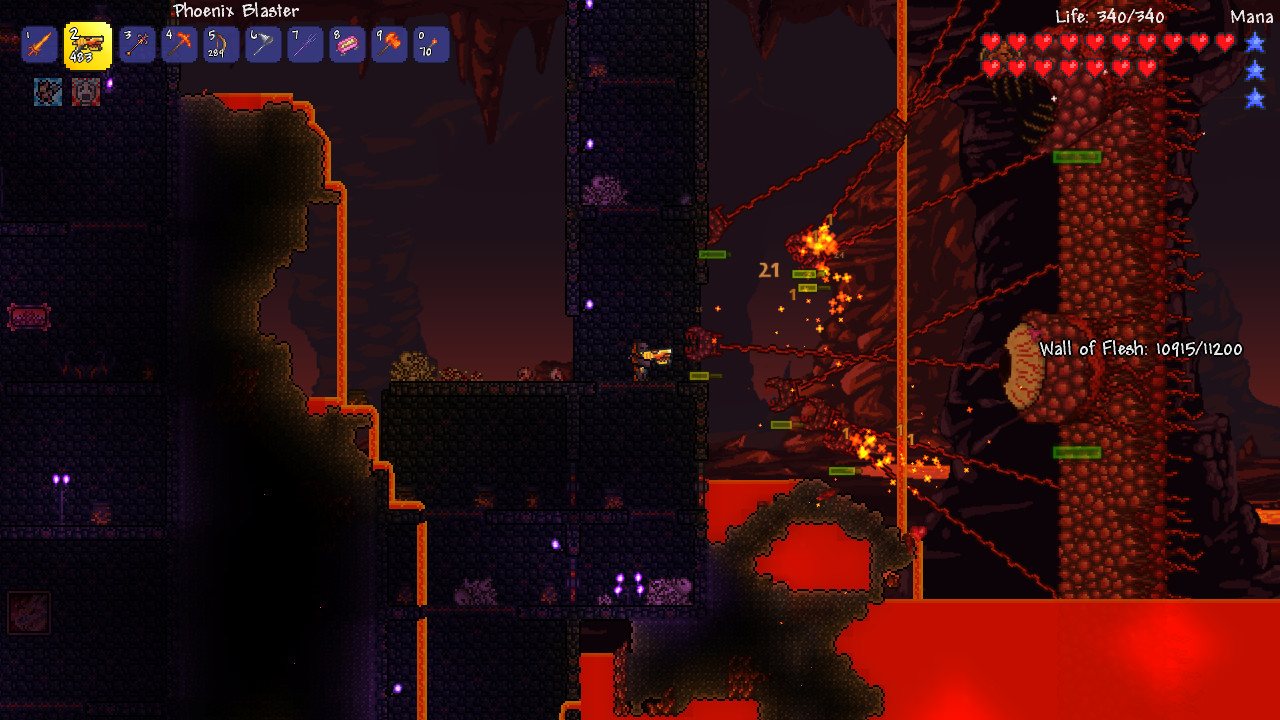
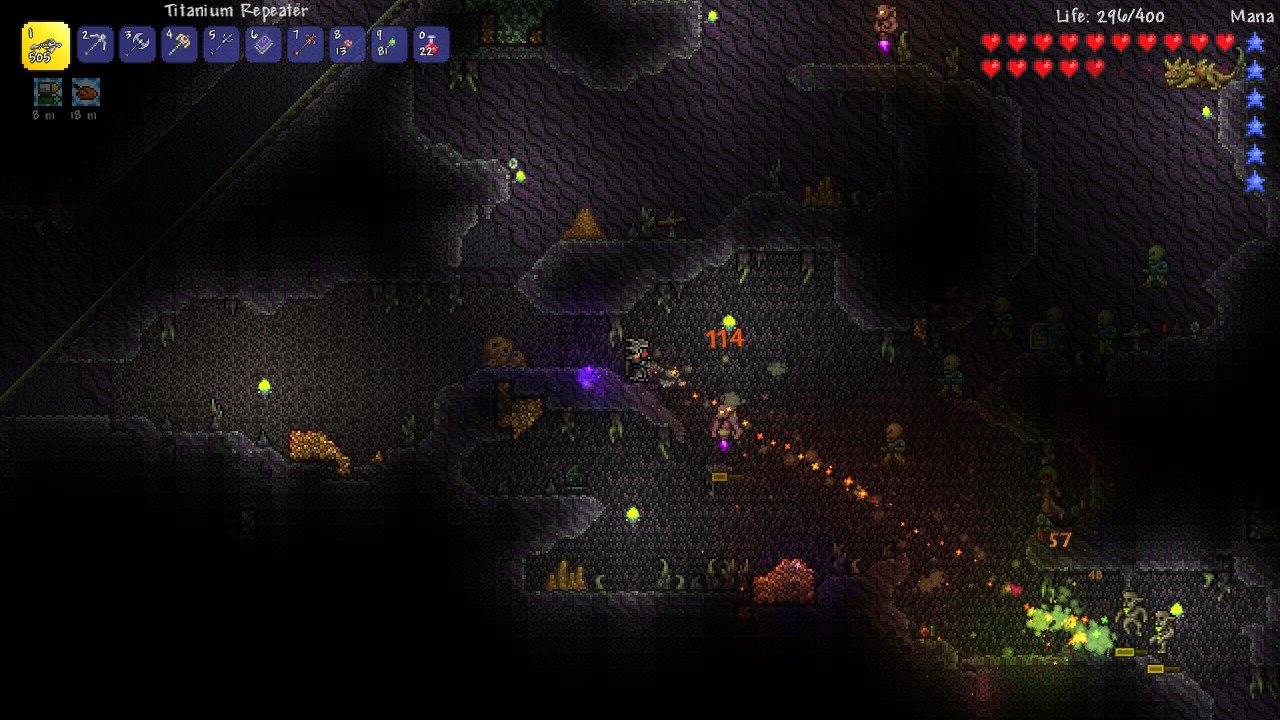
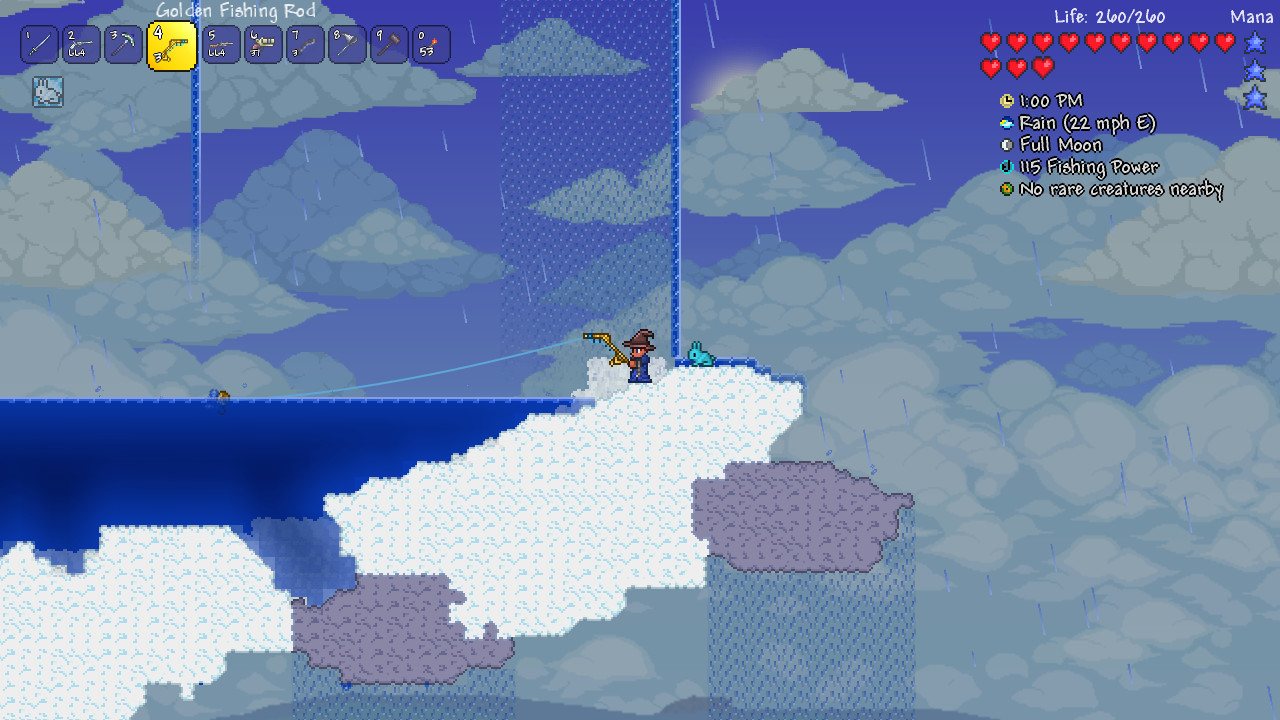
Images: official Steam store assets.
Development Story
Andrew Spinks started Terraria after Minecraft proved players wanted mining and building; Re-Logic's bet was that 2D combat could be dramatically better. The original shipped in about four months, in a style that borrowed deliberately from 16-bit action games rather than trying to look modern.
The studio then made the decision that defined its legacy: never stop updating. Major free expansions arrived years apart, each treated like a sequel in content terms, and the team grew around the live game. Terraria's community measured in decades is the direct result.
Why It Succeeded
With 44 million or more copies sold across platforms, Terraria stands among the best-selling games ever made — on a budget measured in months, priced at $9.99. It survived the death of its original inspiration's hype cycle by becoming a complete game with its own identity: part action RPG, part builder, part boss-rush.
- 44M+ copies across PC, consoles and mobile (developer-stated)
- Original release built in about four months
- Over a decade of free content updates
- One of the most-owned games in Steam history
- Spawned a decade of 2D sandbox imitators without losing its lead
Lessons for Indie Developers
- A four-month vertical slice mentality can beat a four-year production plan.
- Free major updates for a decade is the strongest loyalty programme in games.
- Borrow the surface of a hit genre, then out-execute it on your strength (combat).
- Content beats graphics for longevity: pixel art from 2011 still sells in 2026.
- Price low, update forever, and the long tail becomes the whole business.