Probably Stolen
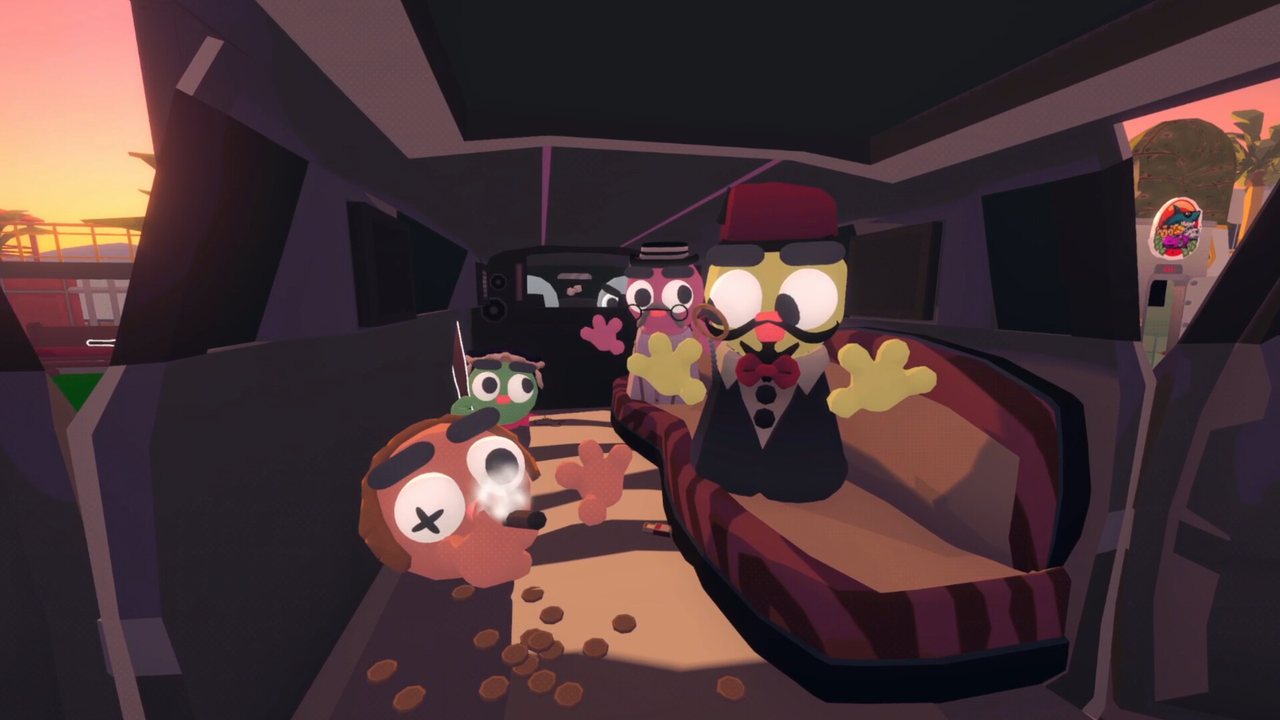
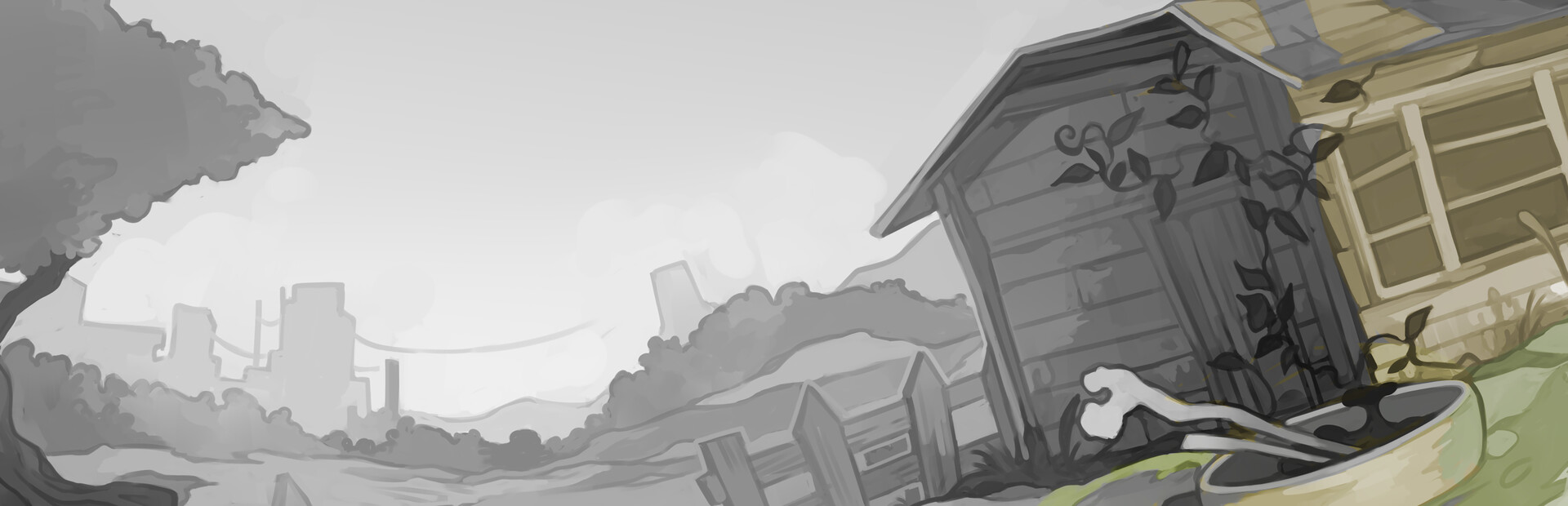
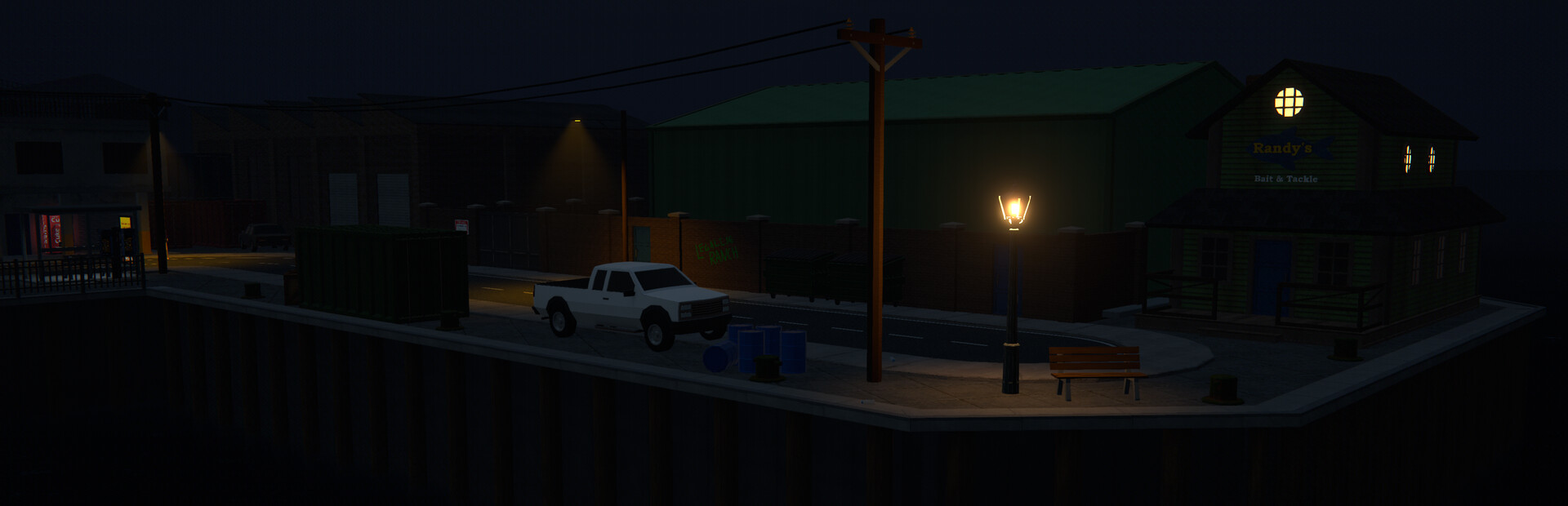
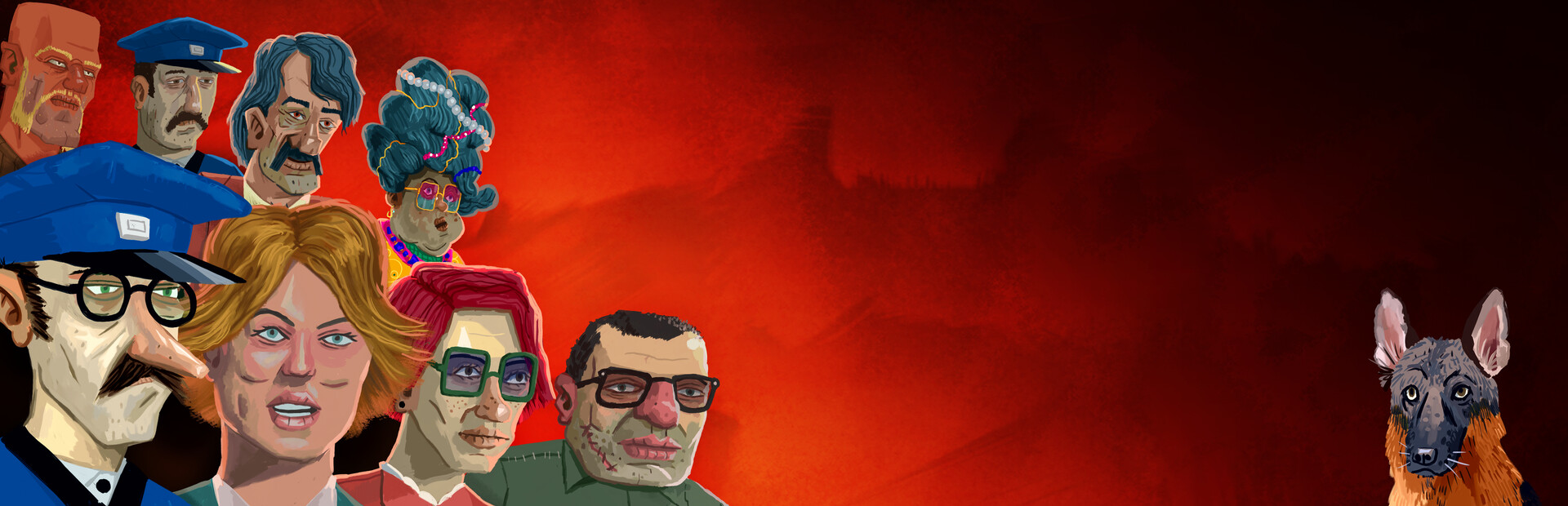
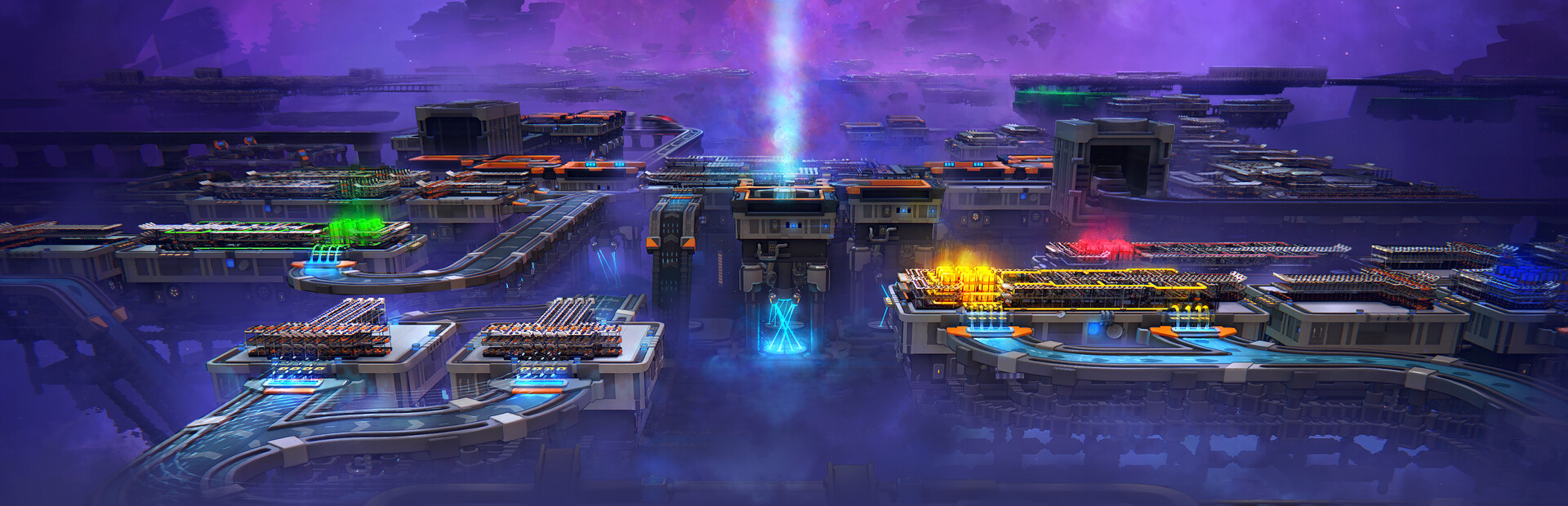
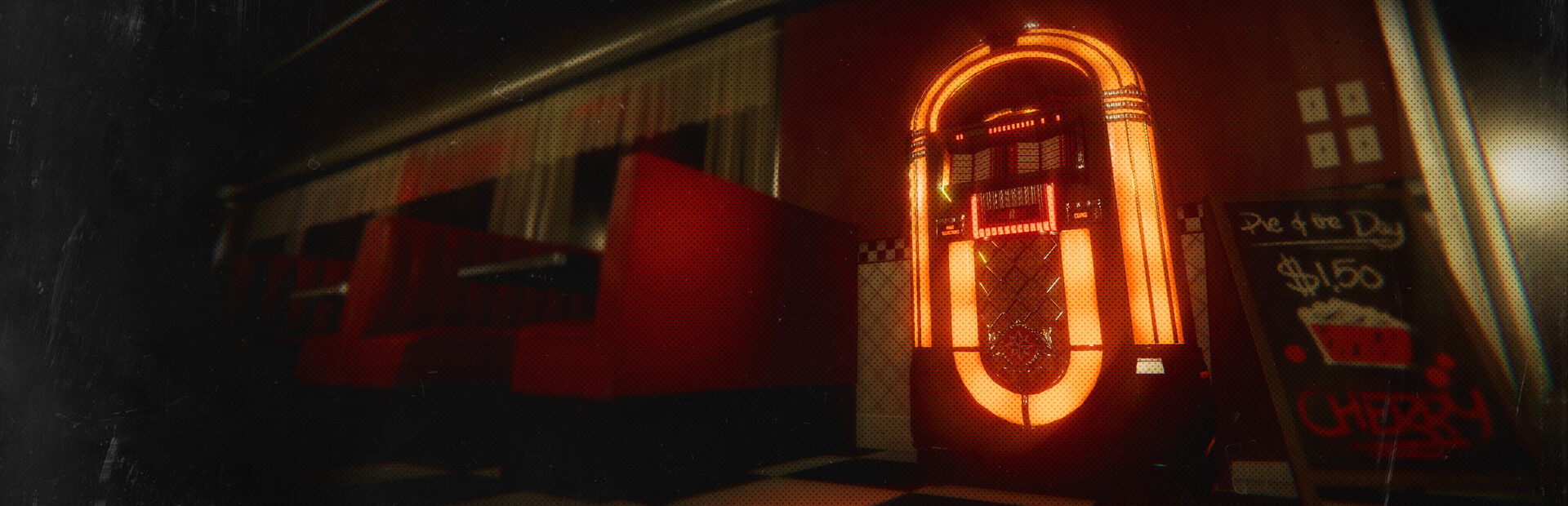
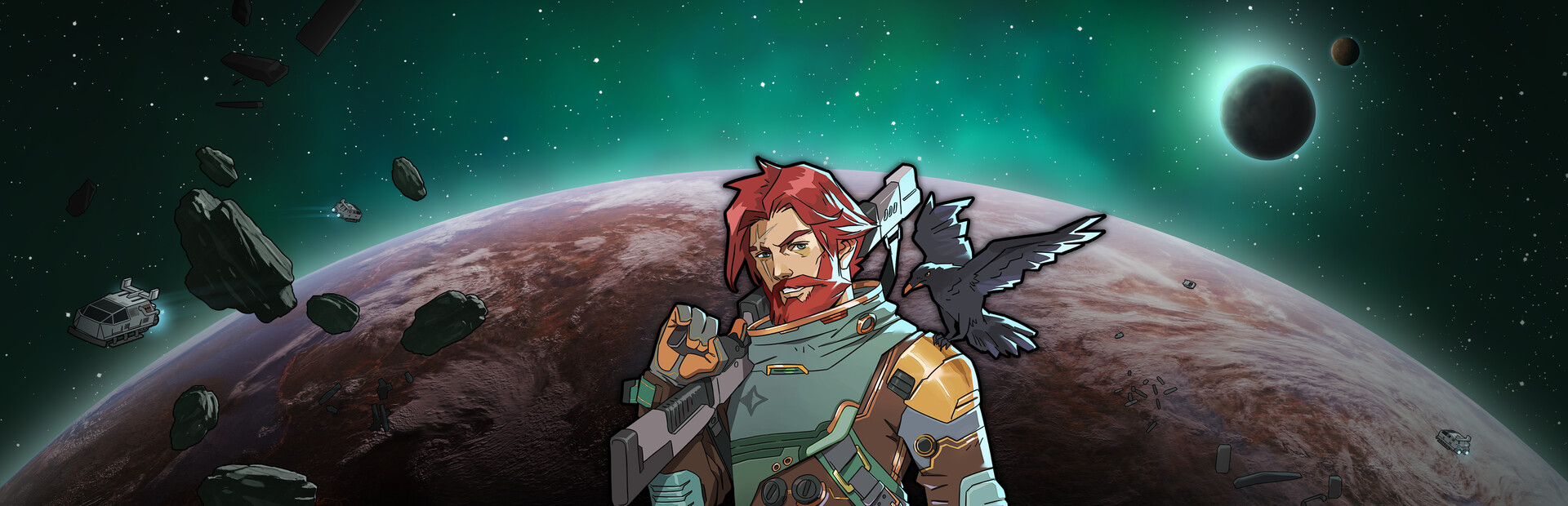
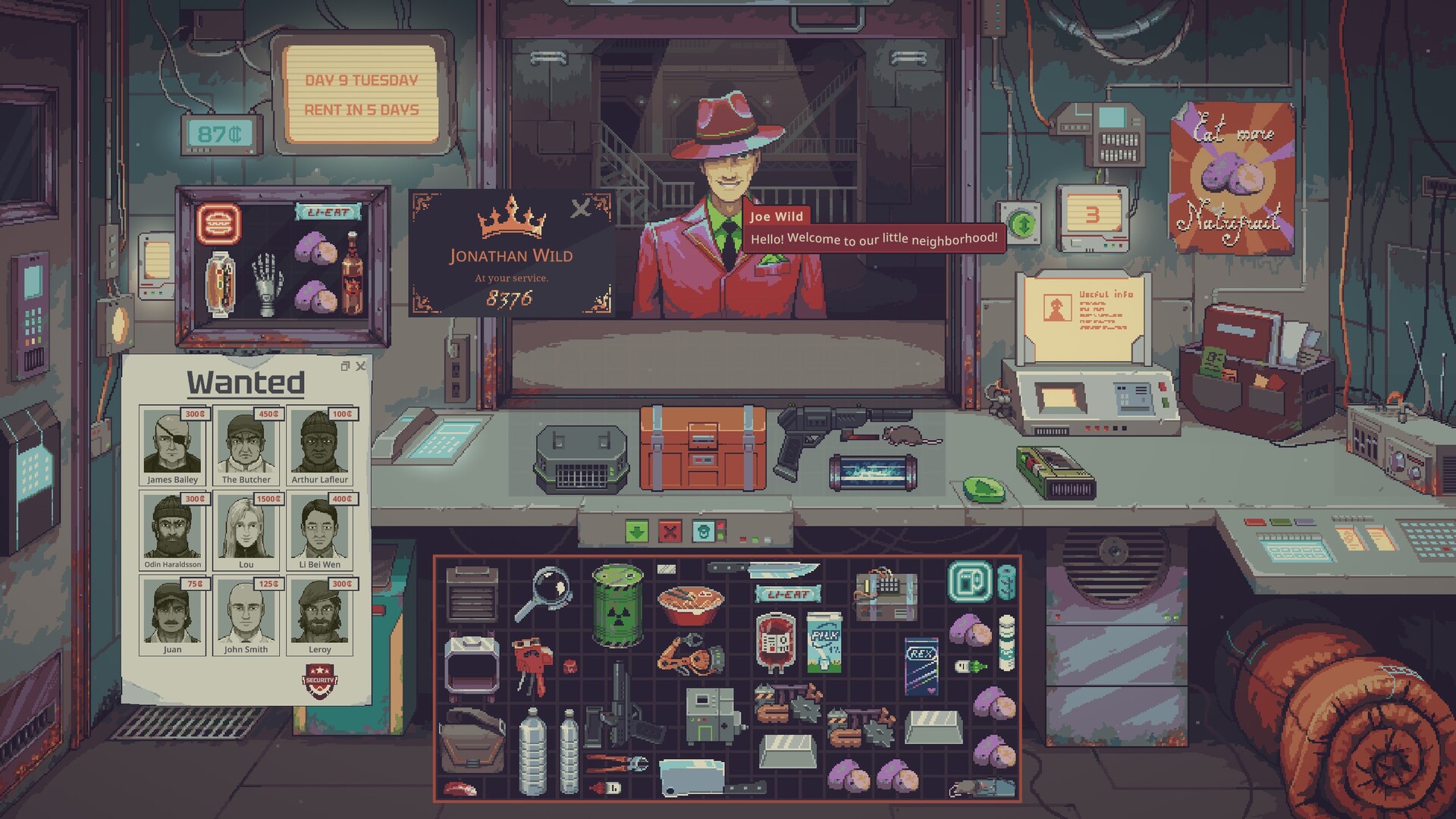
A pawnshop sim on a corrupt space station where every item is probably stolen and every customer might be Security. Two developers, tinyBuild backing, and 500,000 copies sold in two days.
Real case studies of creative indie games that became Steam hits — team size, price, copies sold, and the design lessons every indie developer can learn from them.
Sorted by release date — newest first. Every entry includes team size, price, sales data and gameplay analysis.
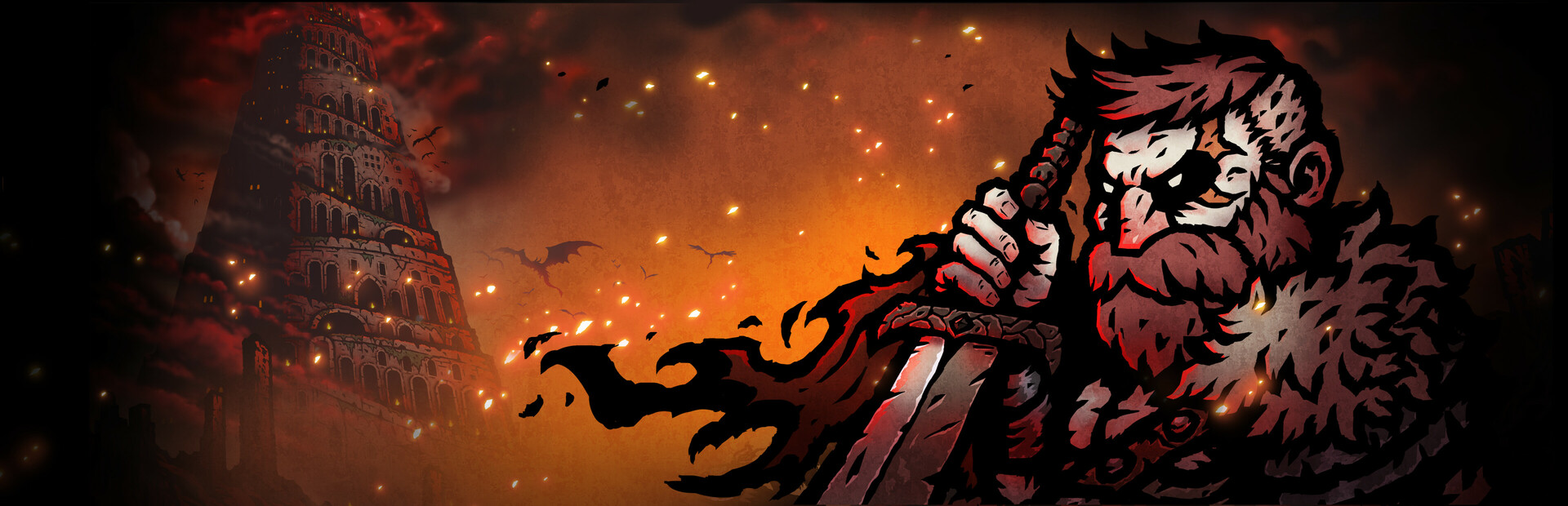
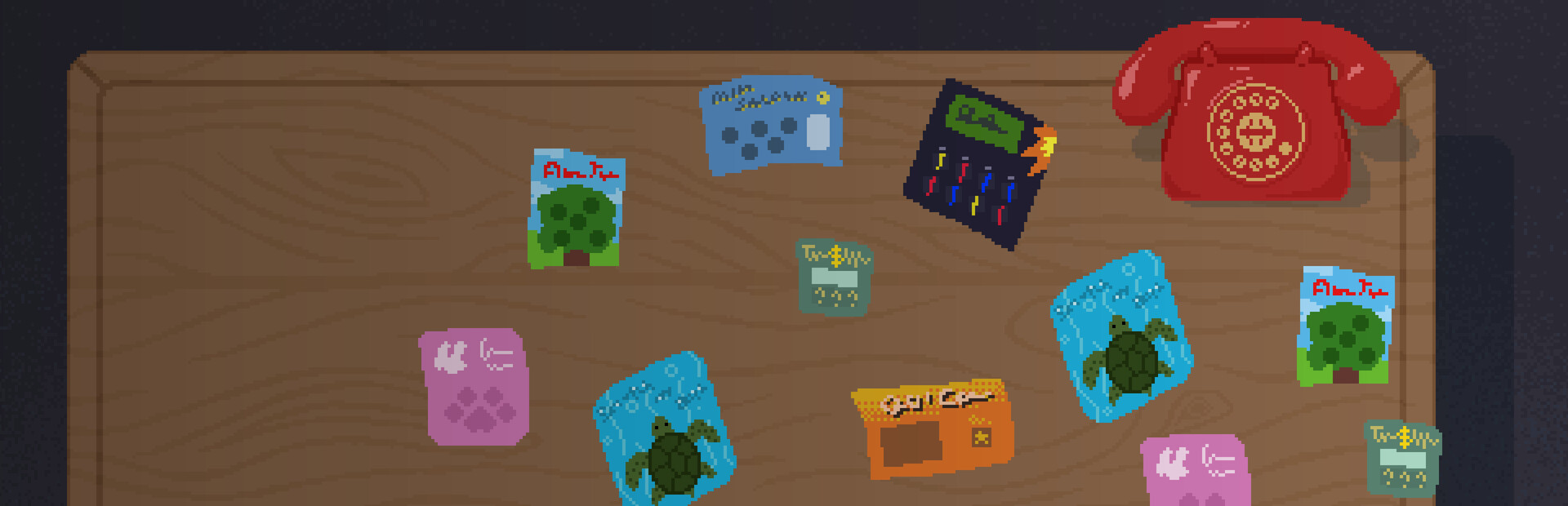
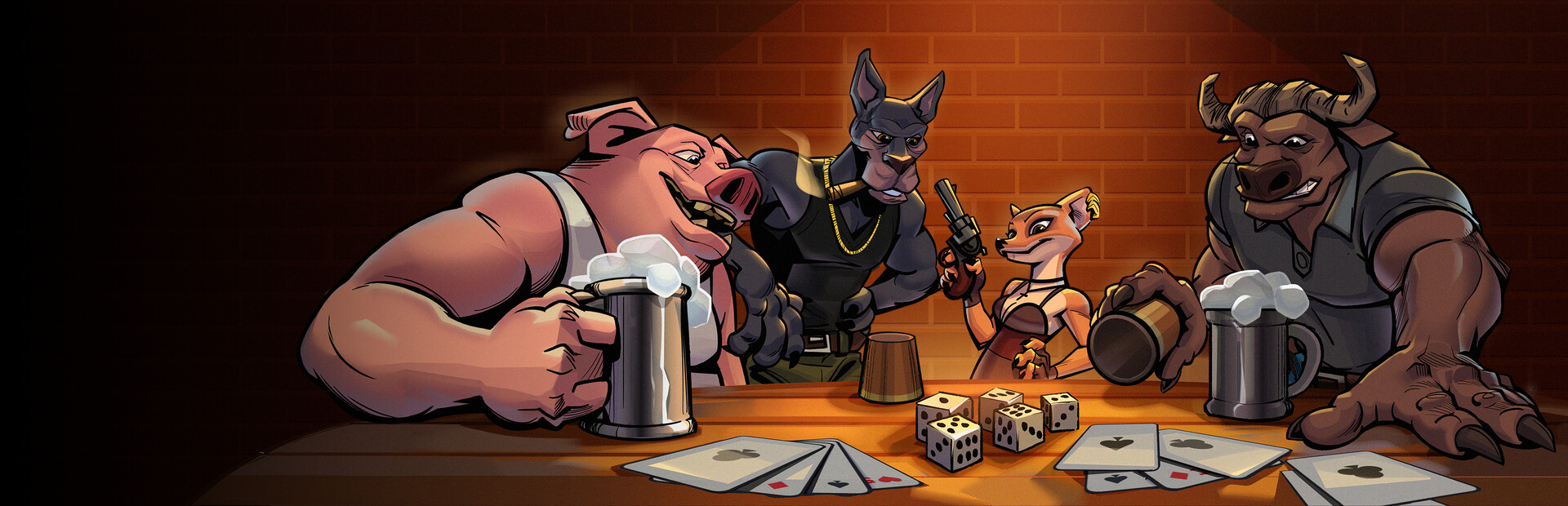
A pawnshop sim on a corrupt space station where every item is probably stolen and every customer might be Security. Two developers, tinyBuild backing, and 500,000 copies sold in two days.
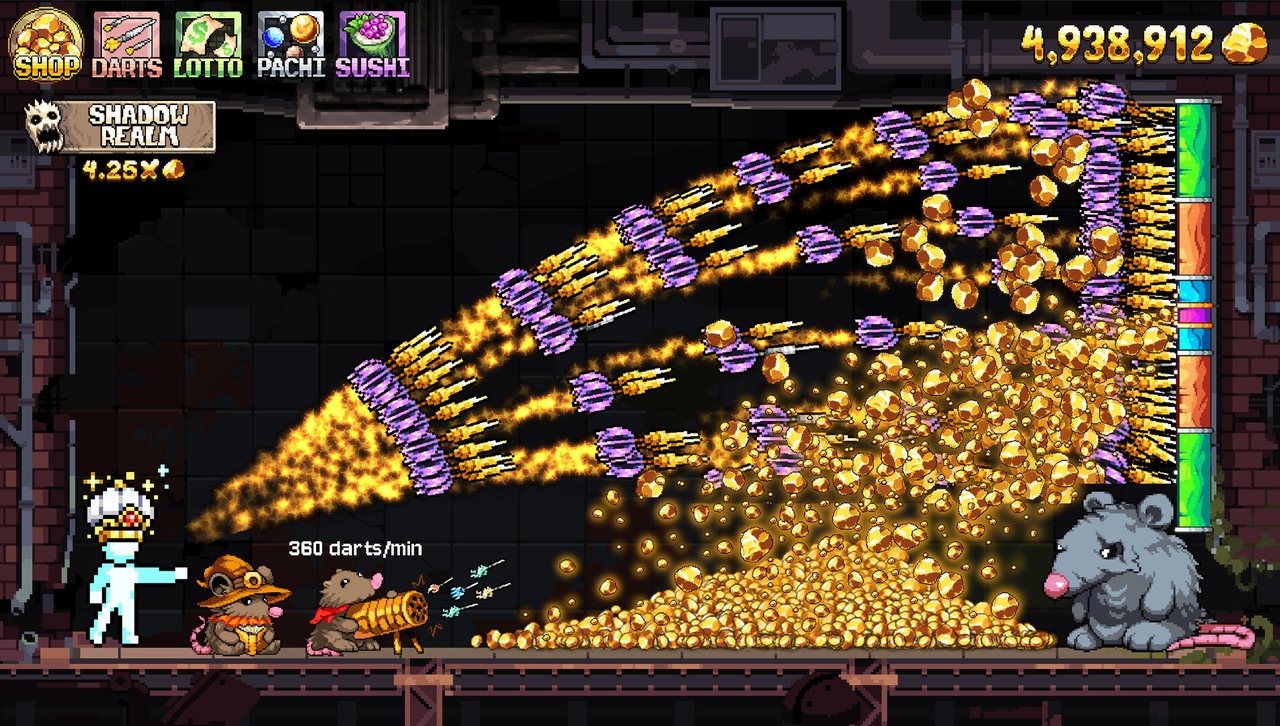
A solo university student built a game around the one thing MMO players can't stop doing: slamming upgrade after upgrade. One week later it had sold 200,000+ copies — and he had to go take midterm exams.
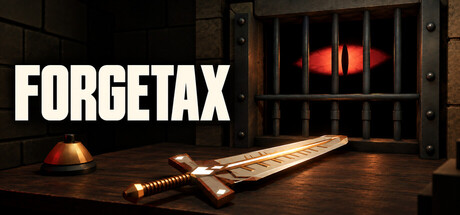
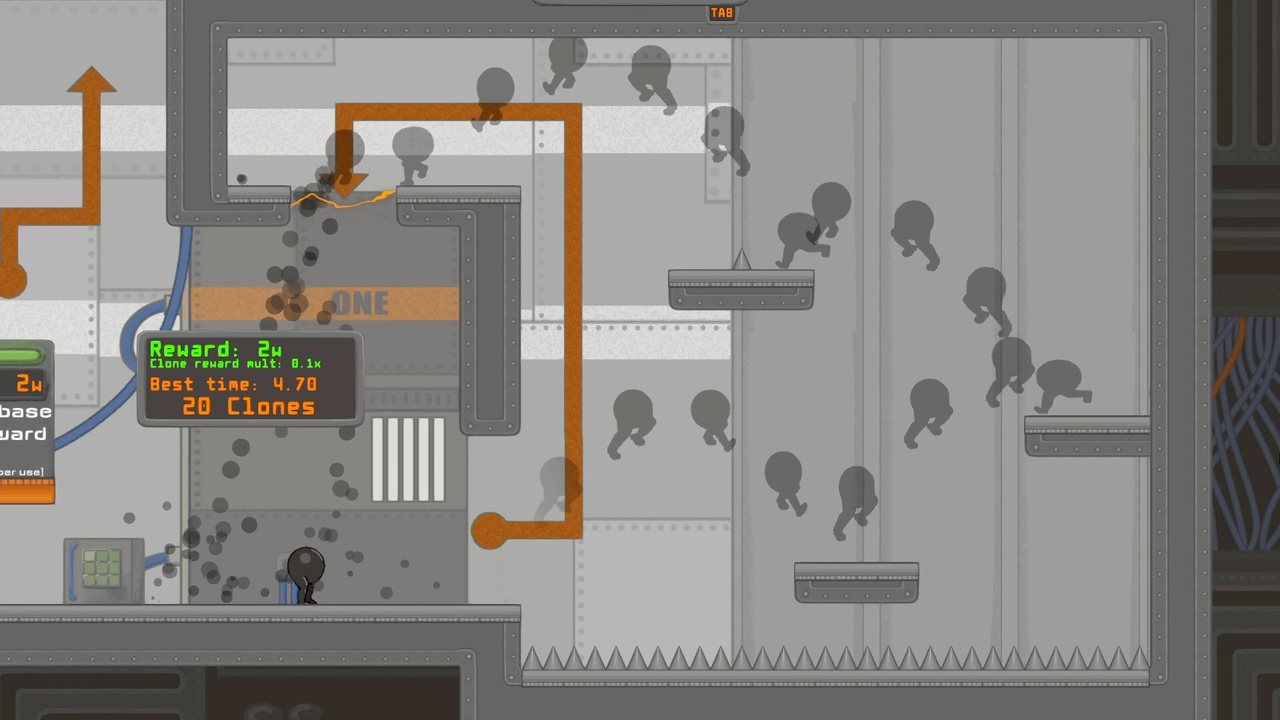
A platformer where finishing a level faster literally prints money: clones replay your best route to farm idle power. Published by Gamersky Games at $7.99, it holds 78% positive across 1,100+ Steam reviews — an estimated 30-60K copies sold.
No combat, no dungeons: The Loopler turns a slot car endlessly circling a loop into a roguelite deckbuilder. Pick cards, place gates, collect charms and watch numbers go up. A small but sharply creative 2026 release at 89% positive.
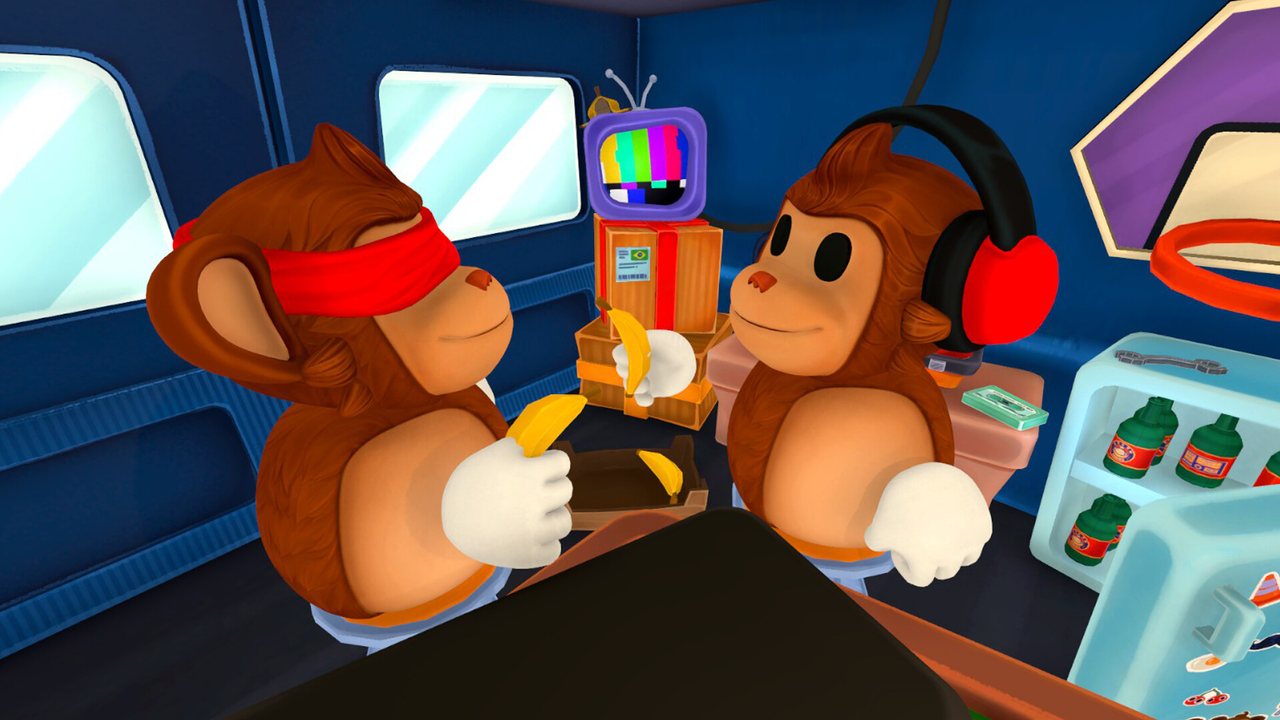
A blind monkey touches the bomb, a mute monkey reads the manual, a deaf monkey watches it all. This Istanbul team's co-op party game pulled 6 million demo players and 1M wishlists before launch.
A two-person Swedish studio turned "catch fish, kill fish, sell fish" into a 2026 phenomenon: 1 million copies in 48 hours, a 373,971 concurrent peak, and ~94% positive reviews — at a $7.99 price point.
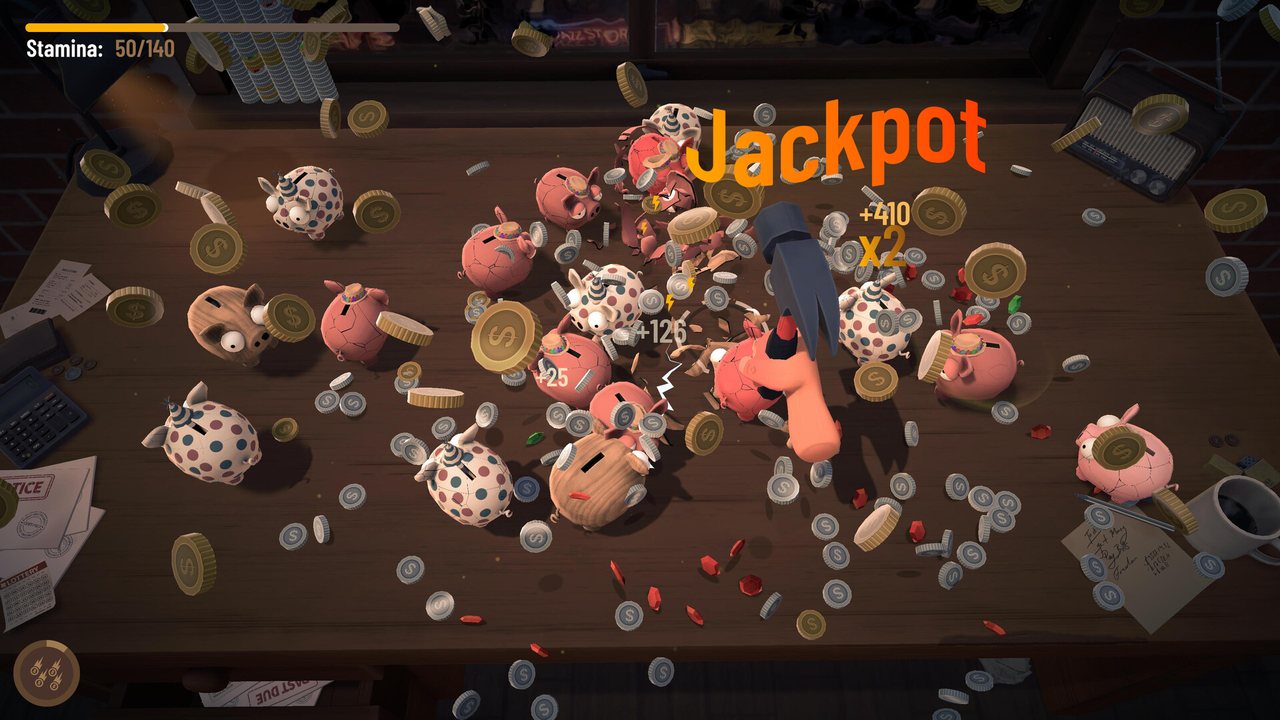
A two-person studio in Frankfurt turned one joke — you are broke, so smash piggy banks to pay your bills — into one of 2026s biggest incremental hits, landing over 11,600 Steam reviews at 96% positive within ten weeks of launch.
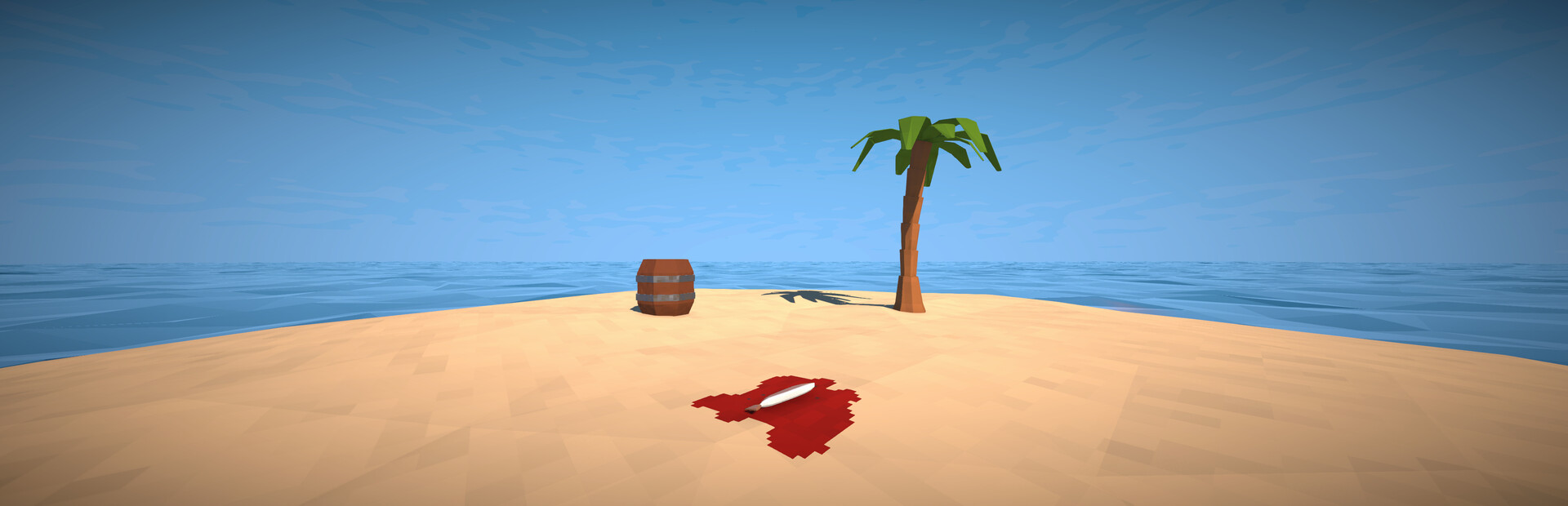
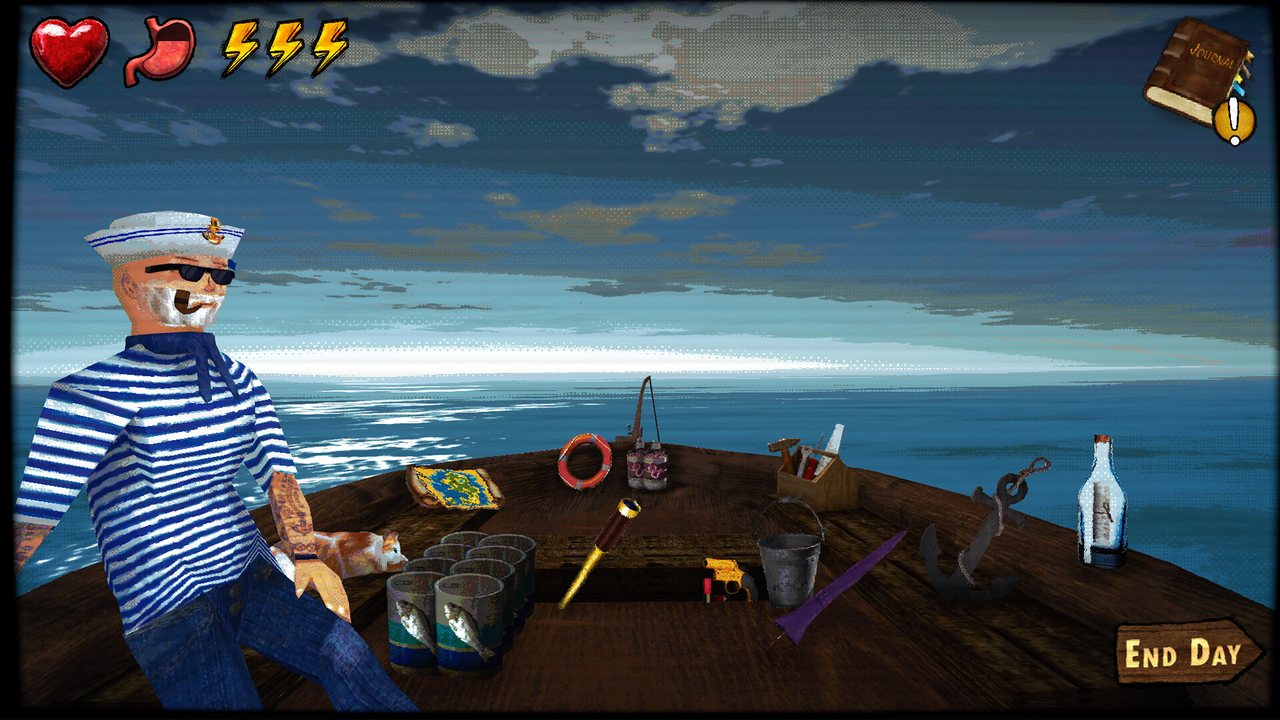
A $1.99 short-form survival horror built around a single brilliant idea: sixty seconds to grab what you can from a sinking ship, then a low-poly, PSX-flavoured month at sea where sleeping at the wrong moment is how you die.
Two Japanese developers built it in two months with $0 marketing. It sold 1M copies in 4 days, 10M in 16 days and 20M+ by mid-August, peaking at ~340K concurrent players — all at $5.99.
Brendan Malcolm — the solo developer behind Melvor Idle — built a mill you escape by earning a million in each of four interlocking mini-games. Every room powers the others; the whole machine snowballs.
A top-down 8-bit adventure from the creators of Shovel Knight: whip, burrow and crawl through a cursed island. Six years of work, a $19.99 price, and 500,000 copies in ten days.
Korean indie NANOO blended Vampire Survivors-style bullet heaven with Diablo-style persistent loot, climbed Steam Next Fest, and sold 200,000+ copies across a year of Early Access before its 1.0 launch.
A life sim built in public for seven years by a 15-person team, funded by Patreon. Early Access sold 1.1 million copies at $39.99 and topped Steam's global chart.
A tiny team replaced the deck with a bag of dice: roll, place and reroll your way through a dungeon. 90%+ positive through EA and a clean 1.0 in 2026.
A $7.99 Swedish co-op casino game where 1-6 friends share one bank account and one massive debt. Built in under nine months with a full mid-development reboot, it sold 500k copies in three days and 1 million in a week.
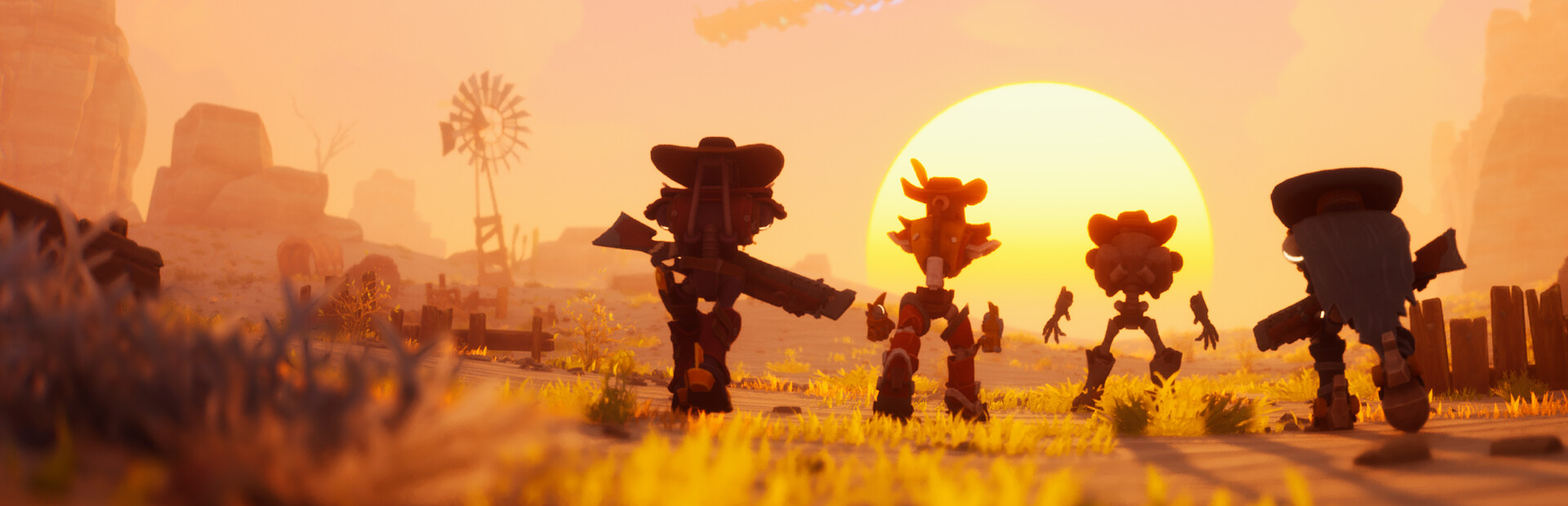
Eight French developers built a robot-cowboy co-op shooter, stacked up 700k wishlists through betas and Steam Next Fest, then sold 500k copies the first weekend and 1 million in under two weeks.
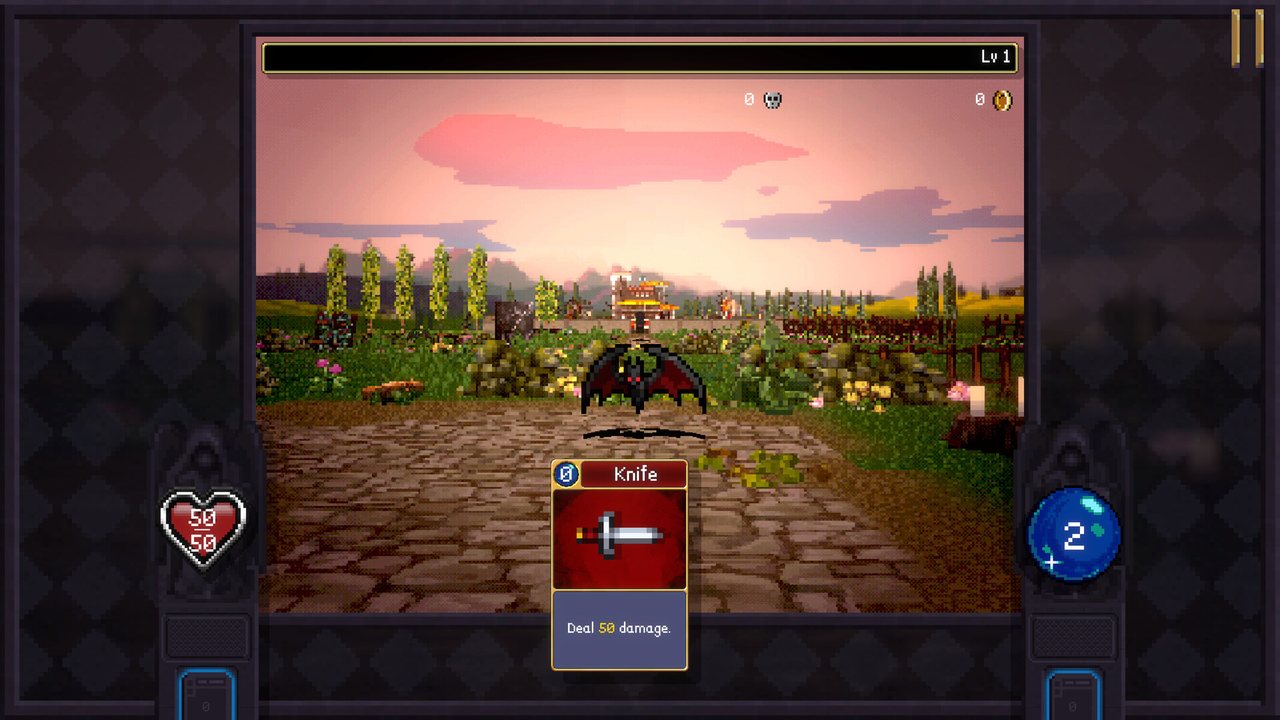
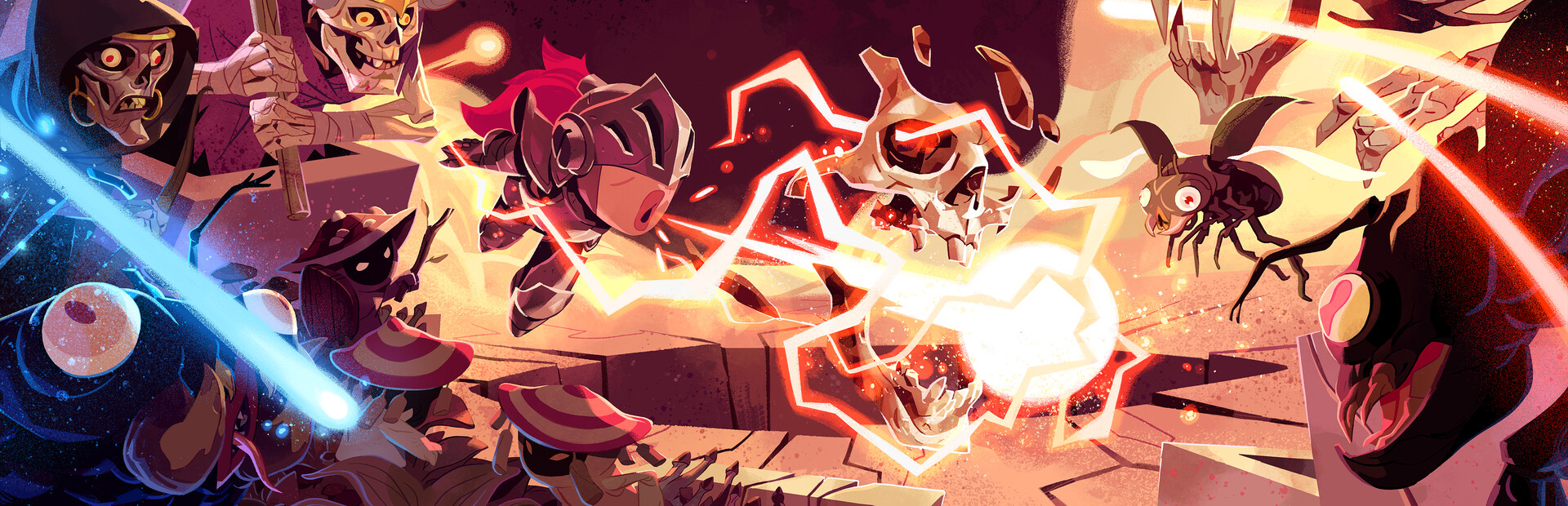
poncle and Nosebleed Interactive rebuilt the Vampire Survivors formula as a turbo-fast, turn-based deckbuilder with first-person dungeon crawling — and kept the $9.99 price that made the original unstoppable.
A hand-drawn black-and-white 1930s cartoon FPS starring a detective mouse, voiced by Troy Baker. A viral TikTok reveal grew into 1.7M wishlists, a PlaySide publishing deal, and over $30M gross across six platforms.
Two Danish developers turned the humble lottery scratch card into a roguelike incremental: scratch tickets with your mouse, automate with the Scratch Bot, prestige for Jack Points. It passed 16,800 Steam reviews at around 94% positive in its first seven months.
A German solo developer spent four years building a witch-themed roguelite tower defense in raw C++ with no engine, streamed every step, and watched his first-week dashboard hit $245,123 gross on live Twitch.
MegaCrit spent five years on the sequel to the game that invented roguelike deckbuilders. Early Access launched March 5, 2026 with 1-4 player co-op, two new characters, and 3 million copies sold in seven days.
Edmund McMillen and Tyler Glaiel announced Mewgenics in 2012, scrapped it, rebuilt it, and finally shipped in February 2026. It sold 150,000 copies in six hours and one million in a week.
A survival climbing game where every handhold is a decision. The Game Bakers traded action for simulation, and 500,000 players bought into the climb within two months.
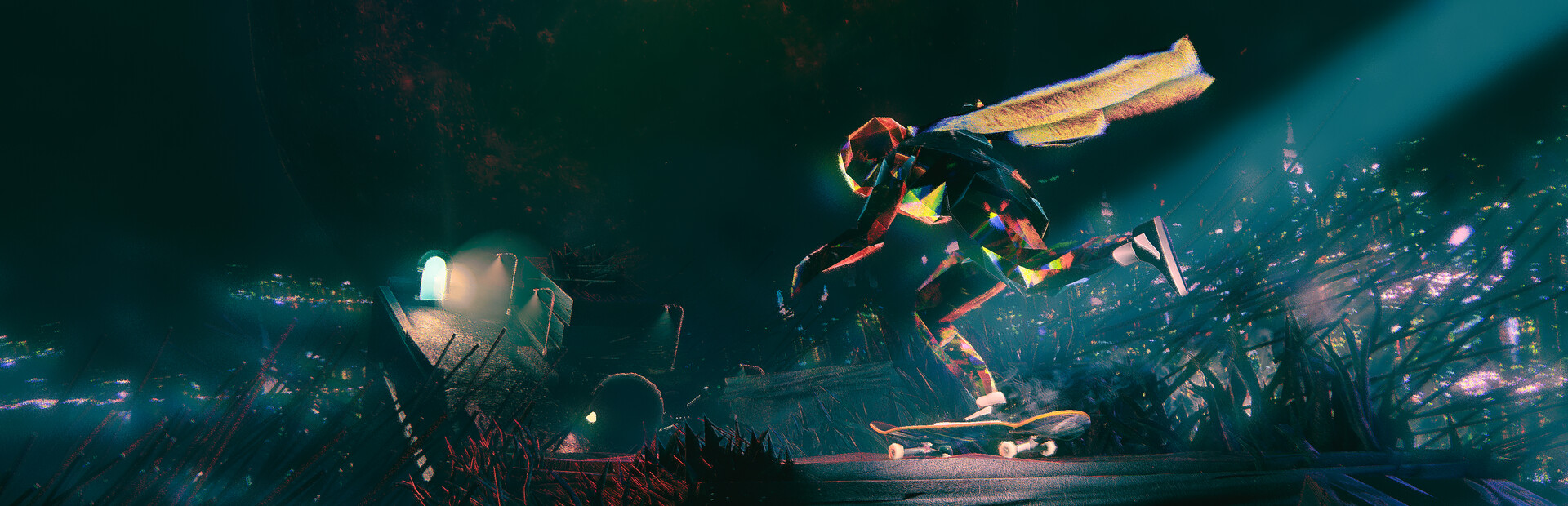
A solo developer from Auckland spent years building a skateboarding game where you're a kid made of glass, skating to the moon on a deal with the devil. Devolver shipped it — Overwhelmingly Positive.
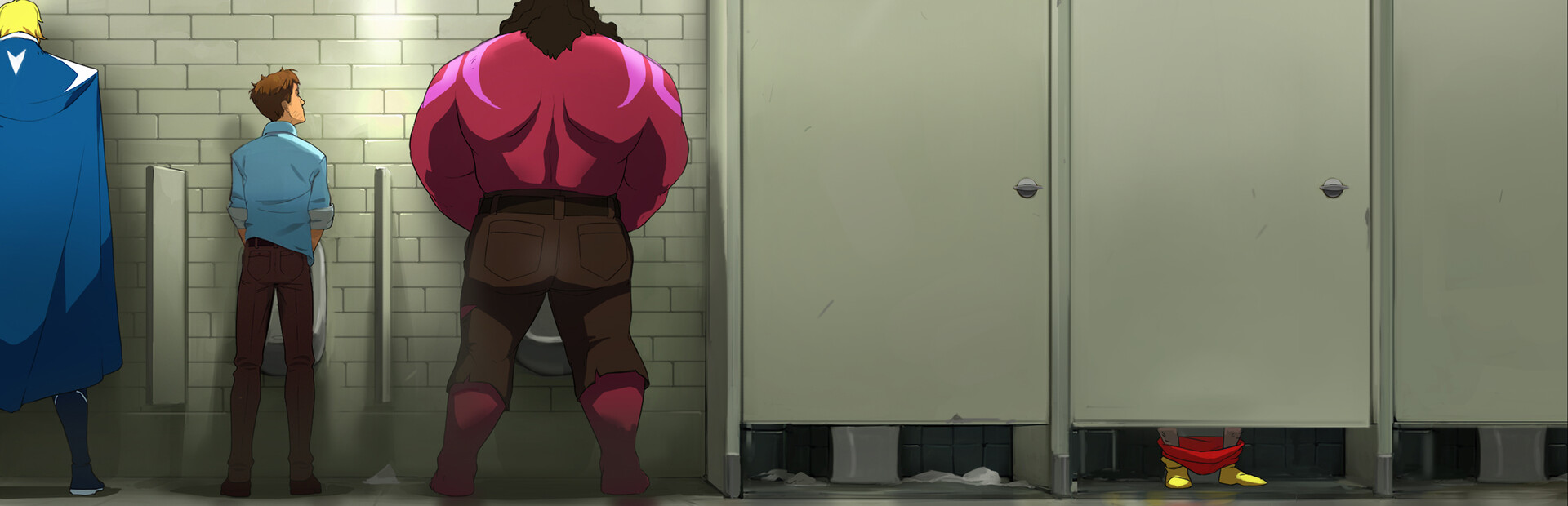
A studio founded by Telltale veterans self-published a superhero workplace comedy with a Hollywood cast — 108,000+ reviews at 97% and Steam's 2025 story-rich award.
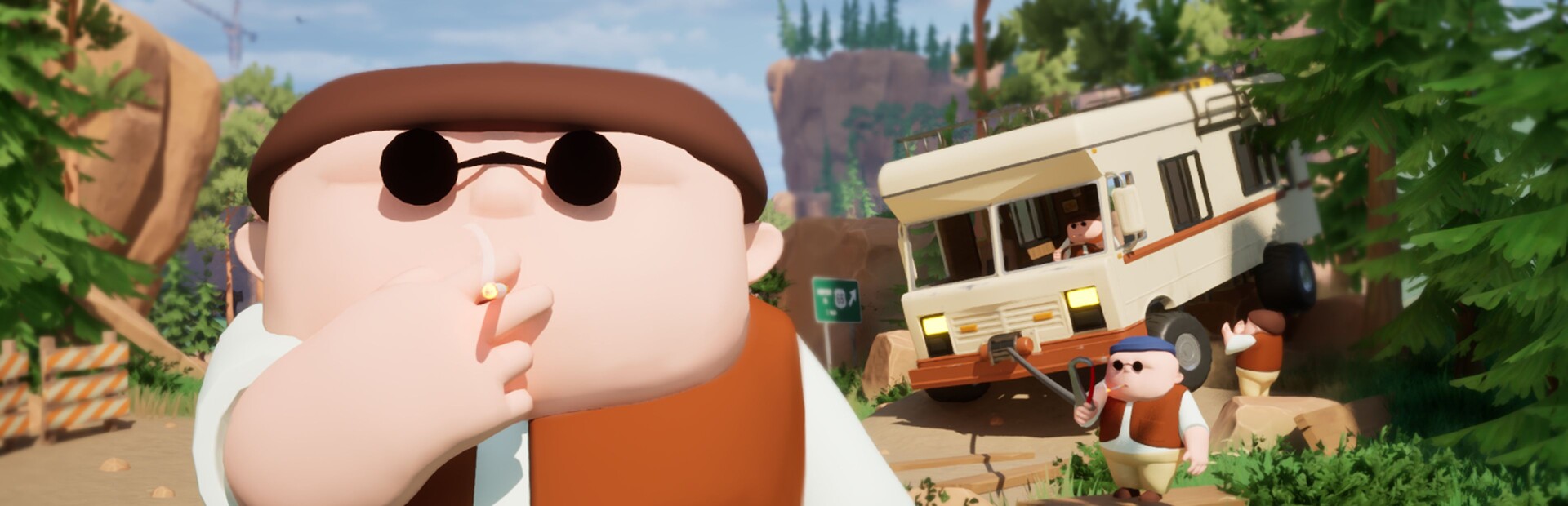
Burned out after five years on another project, a tiny Swedish studio made a chaotic physics co-op game about driving an RV home in roughly eight weeks — and sold two million copies in eight days at $7.99.
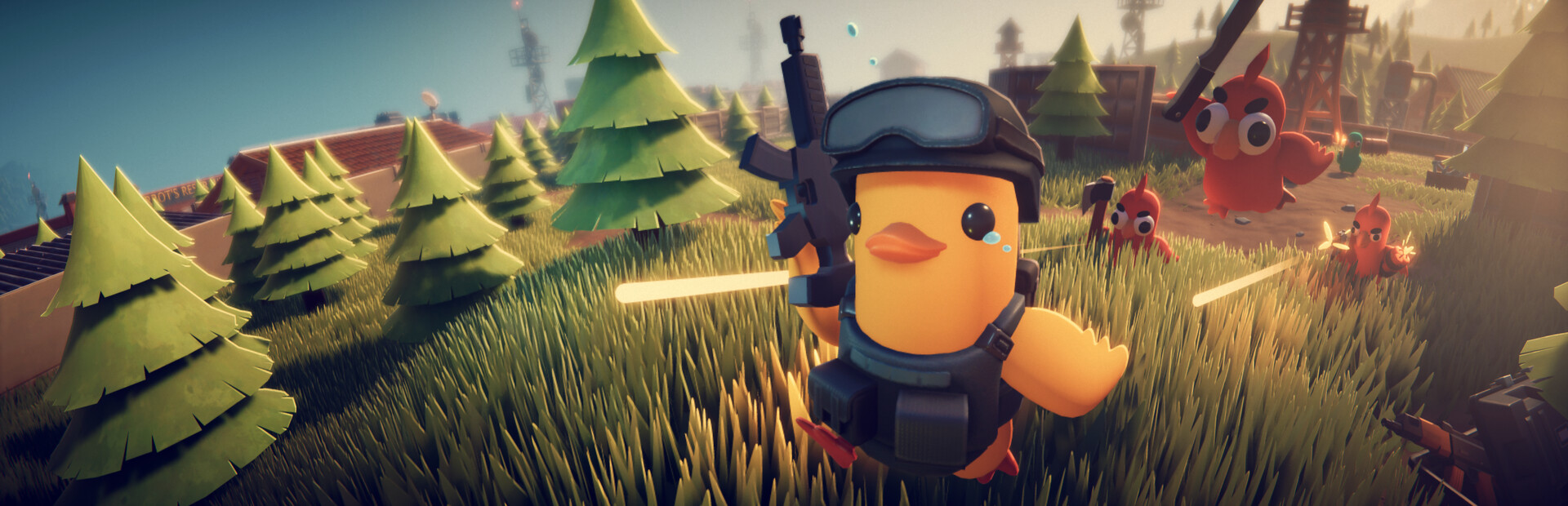
A five-person team under bilibili turned Escape from Tarkov into a top-down single-player game about ducks with hardcore gun modding — and sold three million copies in three weeks, topping Steam’s China chart and hitting #2 globally.
Solo developer Kenny Sun fused Breakout, Vampire Survivors and base-building into a hypnotic survival roguelite. Published by Devolver Digital, it sold 100,000 copies on day one and crossed two million within its first year.
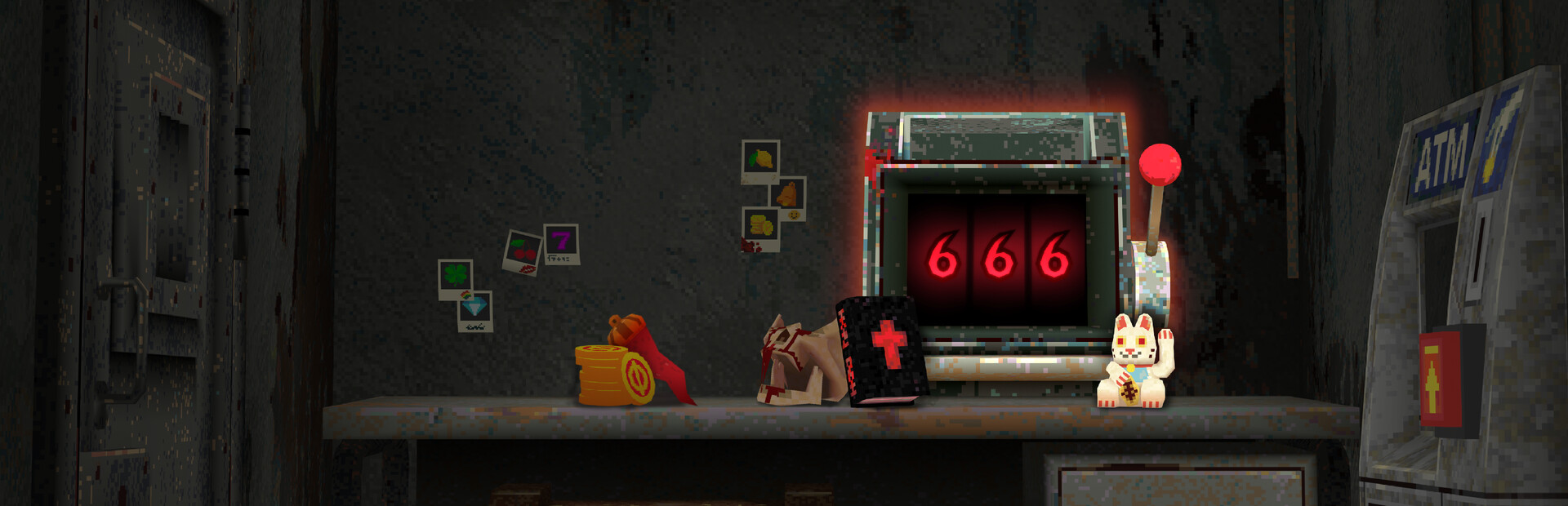
A two-person Italian studio trapped players in a rusty cell with a demonic slot machine. A viral demo, 680k downloads, and creator-first marketing turned CloverPit into a million-seller in under two months.
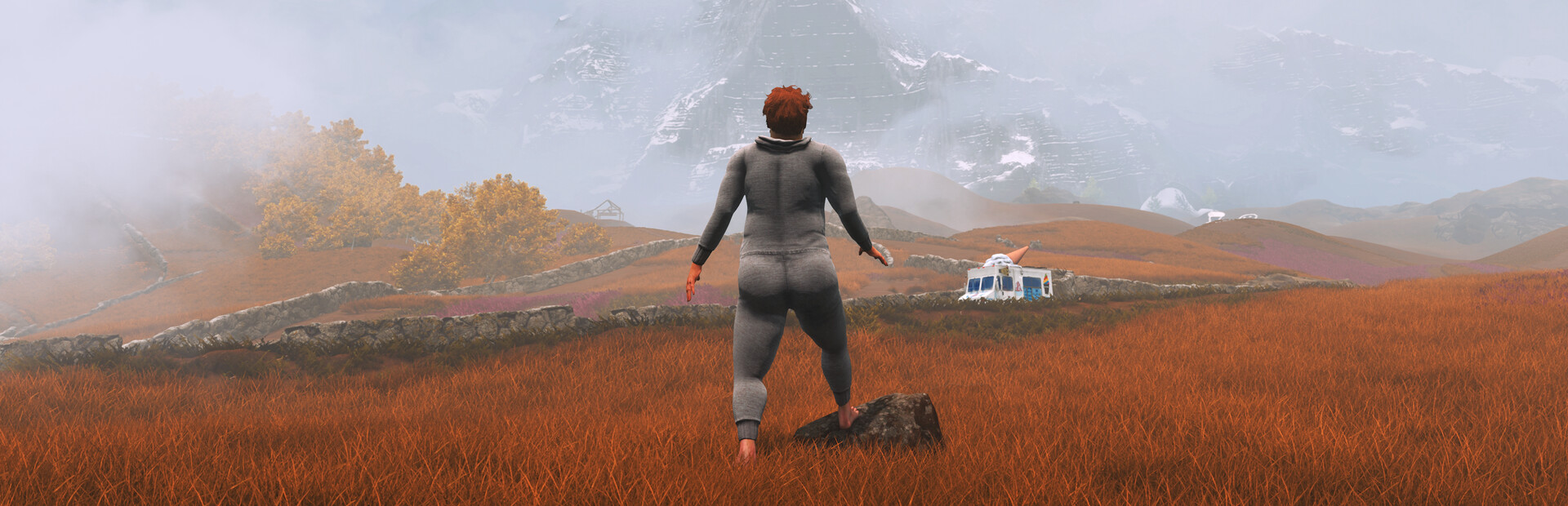
The QWOP lineage meets open mountains: three developers made a game where you place one foot at a time — and it became one of 2025's funniest launches.
One developer took the Vampire Survivors formula into full 3D, added skateboarding skeletons and PS1 graphics, and sold a million copies in fourteen days — then withdrew from The Game Awards to stay honest.
A solo horror game about paranoia: strangers knock at your door in the end times, and some of them are not human. Checking them wrong kills you. 90%+ positive.
Three developers in Adelaide spent seven years on the sequel to their Kickstarter hit — then sold an estimated five million copies in a month, briefly crashing storefronts on launch night.
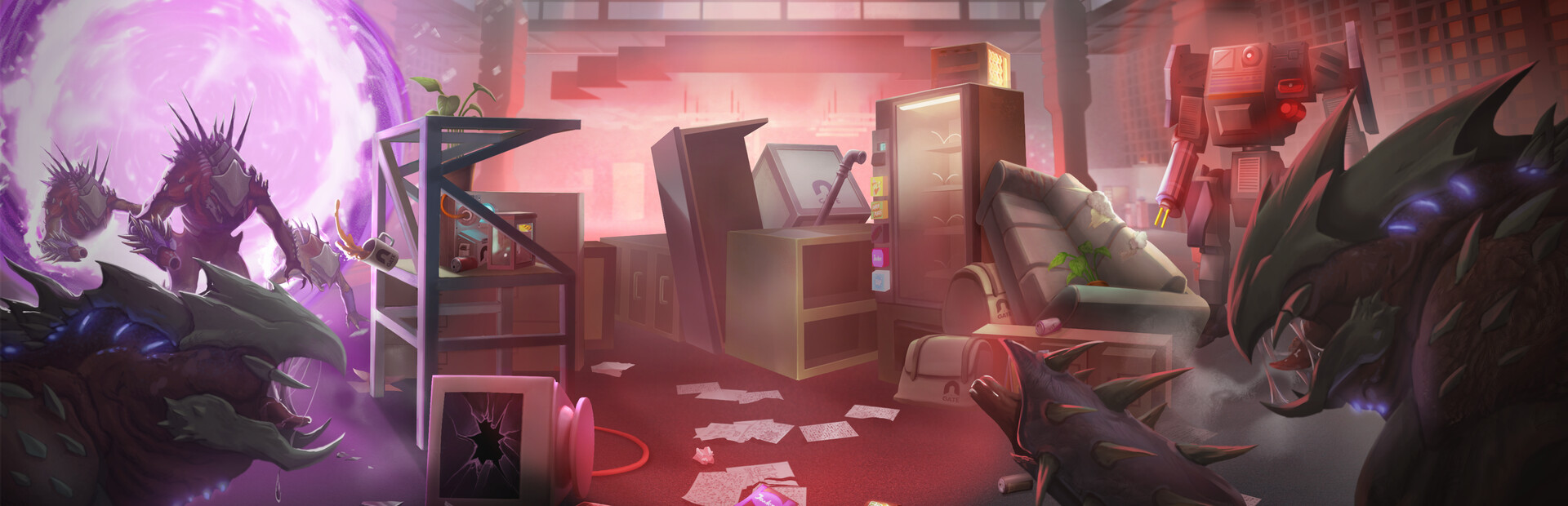
You are the scientists, not the marines. A survival crafting game inside a portal-breached research facility, made by about ten people.
Two burnt-out indie studios spent one month on a co-op climbing jam game, priced it at $7.99, and sold over 10 million copies by August 2025 — while still moving around 1.7M copies a week during sale spikes.
Pack your backpack like Tetris, then watch it fight for you. A 2-person inventory-builder that became the face of a whole genre.
The creator of Undertale spent seven years releasing his next RPG one chapter at a time — then shipped the complete game in June 2025 to an Overwhelmingly Positive reception.
One or two developers made the most stylish kingdom roguelite of the year: stack buildings, win three wars out of nine, and watch Hooded Horse turn it into an EA hit.
One developer spent eight years — often 80 hours a week — building a mansion that reshuffles every dawn. Blue Prince became the best-reviewed game of 2025 and sold an estimated 2.4 million copies.
A solo Australian developer spent three years building a drug-dealing management sim. Schedule I hit 459,075 concurrent players, sold 8M+ copies in two months, and became 2025’s top-grossing indie.
Stay inside for two weeks. If you look out the window, you change. A solo-led RPG about a cursed apartment building became one of 2025's biggest horror hits.
A fallen warrior runs a tea shop in a magical forest and learns to stop fighting. A cozy management game about burnout by the Stanley Parable creators.
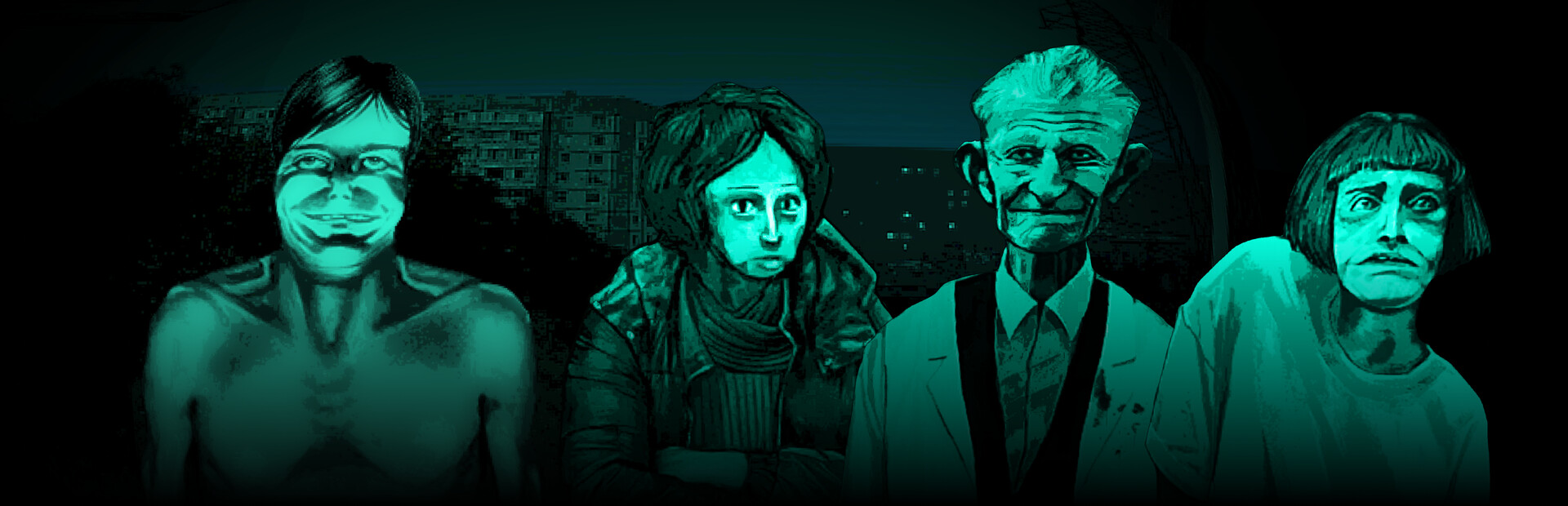
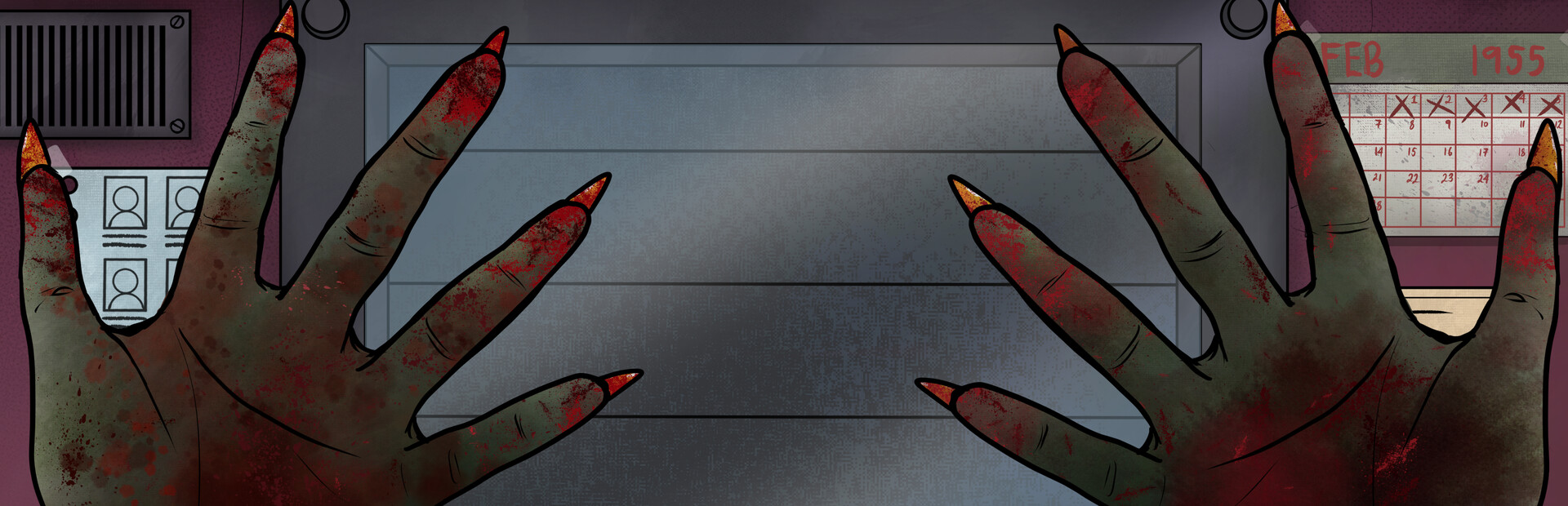
A solo developer from Costa Rica made a Papers, Please-style horror about a 1955 doorman spotting doppelgangers. The free itch.io original went mega-viral in 2024, and the $2.99 Steam remake holds 88% positive across 4,500+ reviews.
One developer, $4.99, and numbers that pop: Nubby's Number Factory turned pegging and exponential math into 2025's most-quoted meme roguelite at 95% positive.
A tiny team made a doctor sim with a hook no one else dared: every cure comes out of your own flesh. 90%+ positive across a quiet, viral 2025 launch.
Three Swedish developers turned hauling furniture into a horror phenomenon. R.E.P.O. sold an estimated 16 million copies at $9.99, powered by proximity voice chat, slapstick physics and endless clip-worthy moments.
A two-person Chinese studio built the 90s road trip nobody else could: manage fuel, tires and friendships across an open map at 95%+ positive.
A solo developer rebuilt the cult browser classic into the deduction hit of the year: search a fake 90s internet to map who inherits the Roottree fortune. 95%+ positive.
Two Russian developers made a game about being pulled inside a dating sim, then twisting it into psychological horror. MiSide grossed an estimated $9.5 million in its first two weeks and holds 98% positive across 142,000 Steam reviews.
A small Zurich studio built a roguelite out of a claw machine: every turn you fish items out of a pit with a claw and use them to fight. 95%+ positive from EA to 1.0.
Reconstruct 300 years of occult crimes from frozen scenes. A ~10-person Lithuanian studio's sequel nails what the first one started.
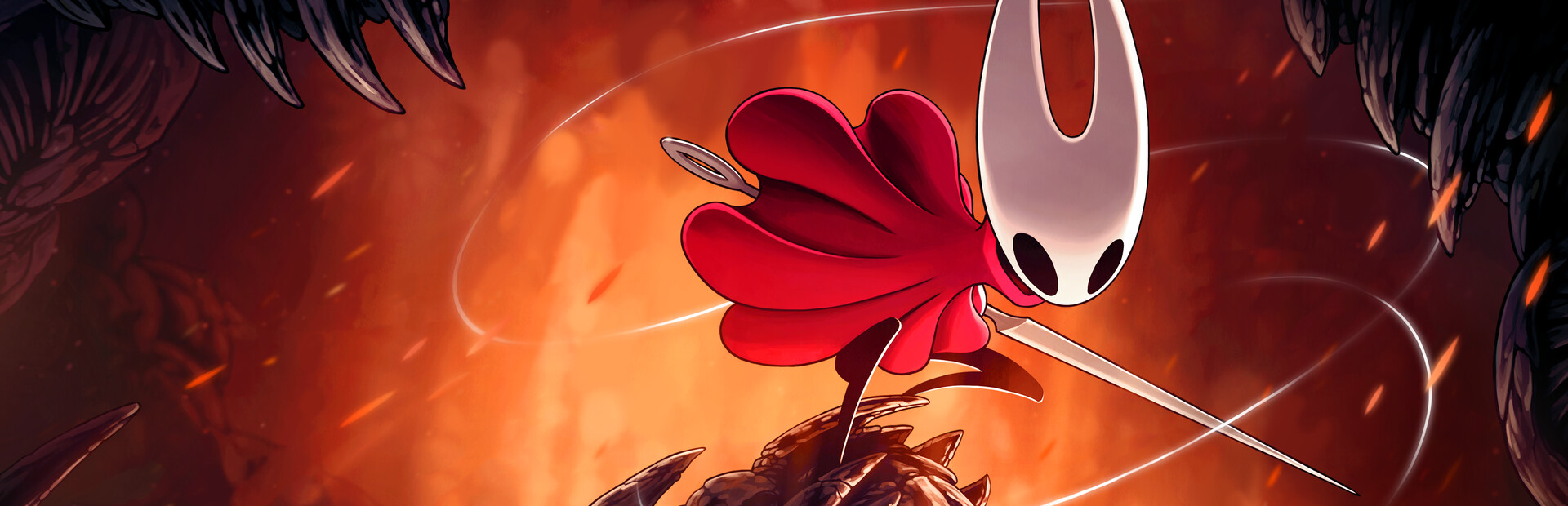
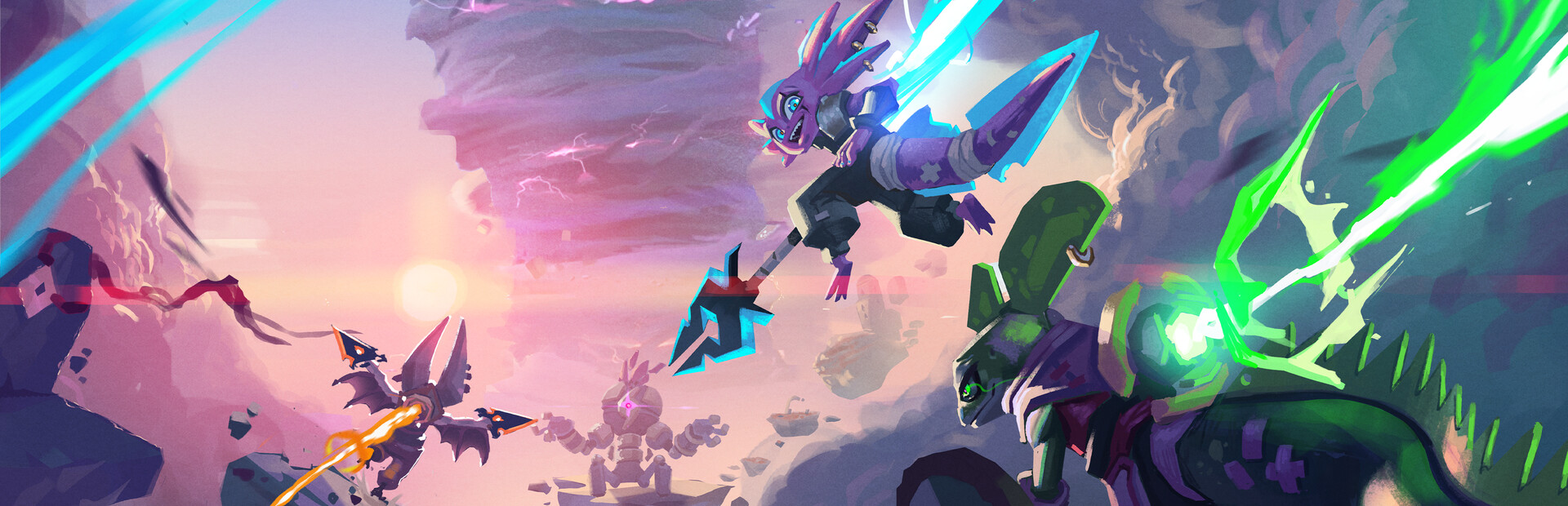
Dart through floating islands at ludicrous speed. The Dead Cells studio's new airborne roguelite, built in the open with its community.
A solo developer turned an eight-day 2022 game jam prototype into a low-poly multiplayer fishing chatroom that, two years later, sold an estimated million-plus copies at $4.99 and held a 97% positive rating.
A small Chinese studio made a deckbuilder where HP, gold and attack are all dice you can reroll, split and merge — with one absurdist rule: any two numbers can be added together. 90%+ positive.
A solo Turkish developer turned bluffing bar games into a viral multiplayer hit at $6.99 in Early Access. It peaked at over 112,000 concurrent players and sold an estimated 2.6 million copies.
A Stockholm studio built a low-poly, first-person horror about the doomed crew of a crashed space freighter. At $12.99 it sold over half a million copies in five months and kept a 95% positive rating across tens of thousands of reviews.
Vampire Survivors formula meets Diablo's gothic mood, priced like a sandwich. A 2-person team sold over a million copies in year one.
A whole fake console with 50 complete games, linked by an invented history. Eight years of work from Spelunky's Derek Yu and team.
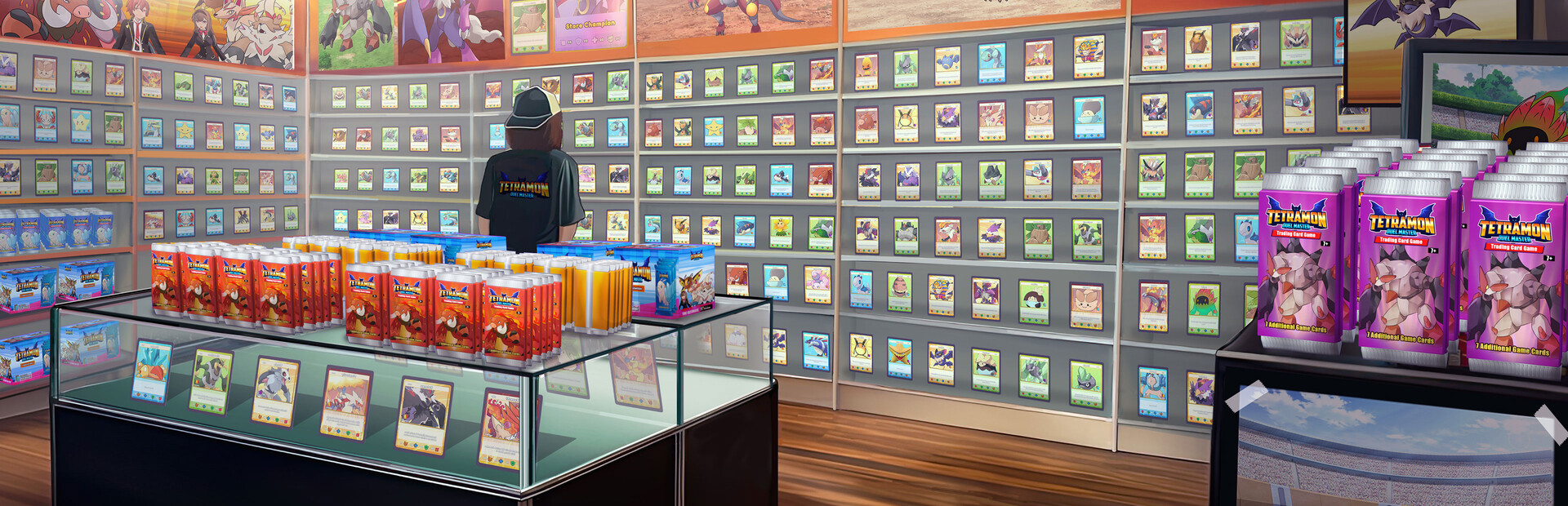
A Malaysian developer built the card-shop sim that exploded: 50K+ reviews at 97%, an estimated 1.6M copies and ~$23.5M gross — from a first game started solo.
Cut, rotate and stack infinite shapes in space. A free browser prototype grew into an overwhelmingly positive factory-automation hit.
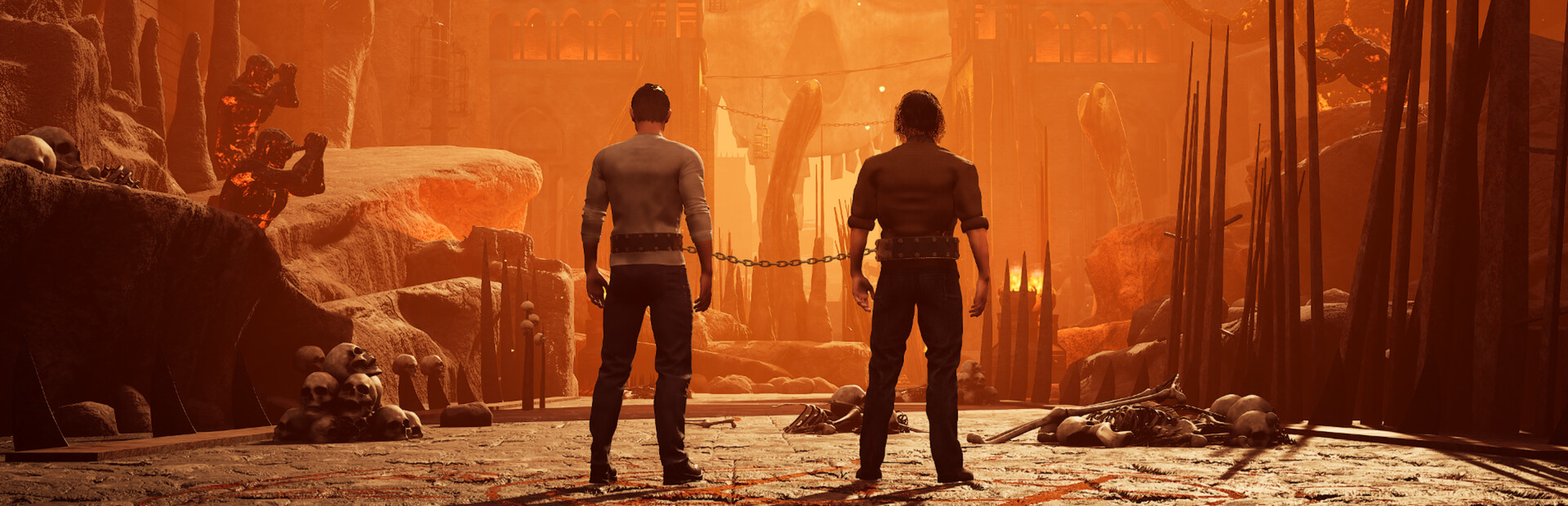
A French indie studio built a co-op platformer where up to four players are physically chained together and must climb out of hell. At $4.99 it peaked at about 94,000 concurrent players, sold over two million copies in its first year, and surpassed ten million by 2026.
A $4.99 precision puzzle-platformer by Daniel Linssen, published with Sokpop: falling more than two tiles kills you, so 40+ hand-drawn rooms of jumps become knowledge puzzles. About two hours long, with ~3,000 Steam reviews at 96% positive.
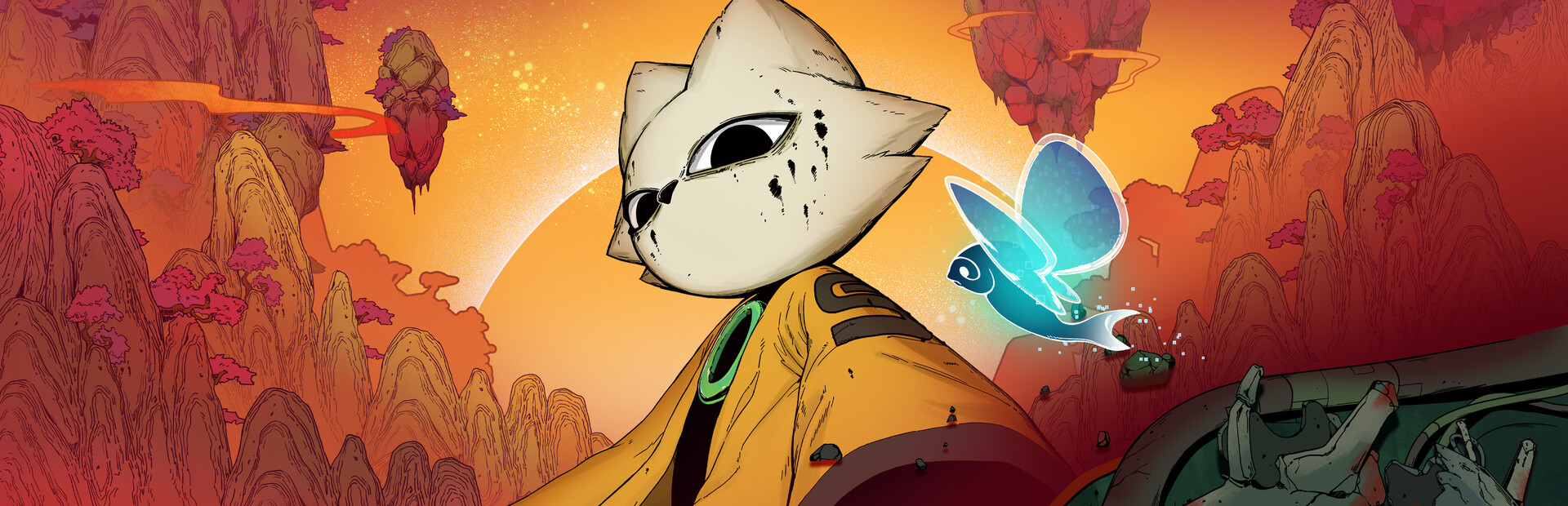
A hand-drawn cat warrior parries through a Taoist-punk world. Red Candle Games pivoted from horror to become a soulslike contender.
A haunted hotel, a missing auteur and hundreds of puzzles in black and white. Simogo's masterpiece is a two-person vision, polished for years.
Murder is your sponsored livestream in this anime adrenaline FPS. A two-person Brazilian team's 90s-OVA fever dream, overwhelmingly positive.
A pixel-art Metroidvania puzzle-platformer built solo over seven years on a hand-rolled engine, ANIMAL WELL launched at $24.99 on May 9, 2024 and outsold every first-party Nintendo game on the Switch eShop in its launch month.
You are a lost cat. The city is full of snacks, birds and shoes to knock off ledges. A tiny team's cozy sandbox hit.
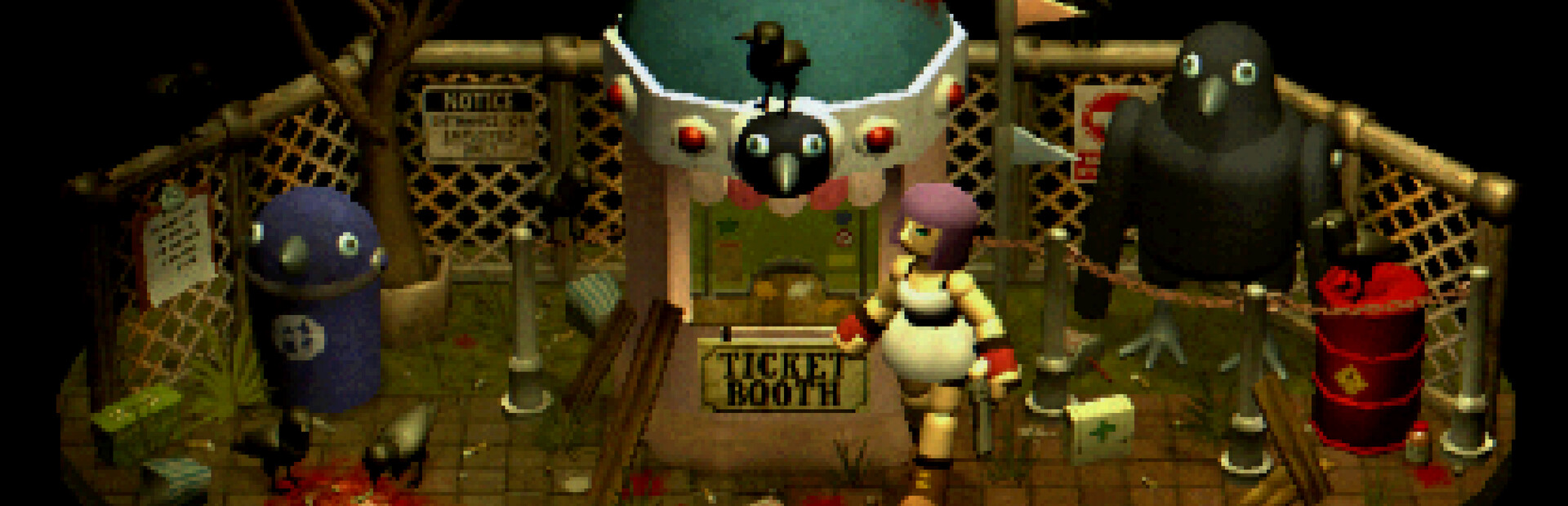
A derelict theme park, fixed-camera dread and PS1 polygons. Retro horror done with modern design intelligence by a ~10-person studio.
A thousand clones, a dead god-queen, and one Watcher who starts asking questions. The narrative game that topped 2024's indie lists.
A solo developer built an idle farming simulator designed to sit at the bottom of your screen as a desktop companion while you do other things. At $4.99, it sold over 100,000 copies in three weeks and 500,000 within months, with an Overwhelmingly Positive rating.
A single Polish developer spent years building a gridless, historically grounded medieval city-builder with real-time tactical battles. It became the most-wishlisted game on Steam, sold over a million copies on launch weekend, and peaked at 173,000 concurrent players.
A $2.99 tabletop horror game by Estonian solo dev Mike Klubnika: you play Russian roulette against a grinning demon dealer using a 12-gauge shotgun loaded with live rounds and blanks. A viral itch.io hit in December 2023, it reached 8M+ copies by December 2025.
A five-person Swedish studio turned an April Fools tradition into a viral co-op horror hit: give the game away free for 24 hours, then charge $7.99. The result was 6.6 million free claims, a 204K concurrent peak, and over two million paid copies by June.
A knight, an Ottoman incursion, and a lot of absurdist humor. Created by Jozef Pavelka and Vlado Ganaj, this PS1-era RPG became 2024's cult sleeper.
A solo developer built a clicker that turns into an idle factory, drilling resources like Charonite and hiding a text-based mystery behind the machines. Published by Playsaurus at $5.99, it holds a 73% positive rating.
A poker-themed roguelike deckbuilder built solo in LOVE/Lua by an anonymous Canadian dev over two and a half years, Balatro launched at $14.99 and sold one million copies in its first month, then five million by January 2025 — sweeping the indie awards.
A solo developer made a premium incremental game where blob-like gnorps smash a rock for shards, then spent those shards on more gnorps and structures. Priced at $6.99 in a free-to-play genre, it earned 95% positive reviews and a cult following.
A solo Japanese developer built a short walking simulator around a single repeating subway corridor where you turn back if you spot an anomaly and keep going if you do not. At $3.99 it sold over three million copies, spawned a new subgenre, and was adapted into a 2025 live-action film.
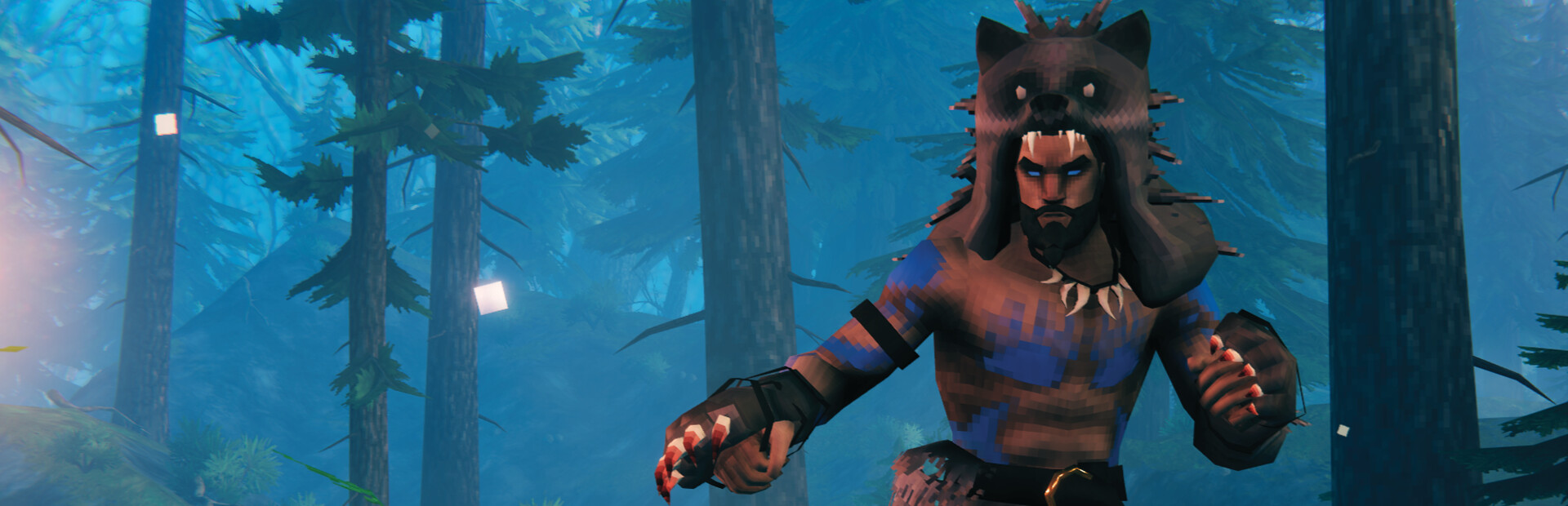
A 21-year-old solo developer who cut his teeth making games on Roblox for a decade built a four-player co-op horror about scavenging scrap from abandoned moons — and within weeks it was peaking near 240,000 concurrent players and selling an estimated 10 million copies at $9.99.
Two siblings, one botched occult ritual, and choices you cannot take back. A solo dev's RPG Maker horror became a cult phenomenon.
A French solo developer built a potato-themed auto-firing arena roguelite in the free Godot engine, priced it at $4.99, and sold over a million copies during early access and more than ten million by 2025.
Raise a daughter alone in a fantasy kingdom, one schedule at a time. A small Chinese studio's parenting sim won a million hearts.
A four-person studio in New Zealand made a fishing game that is calm by day and unsettling by night, where a panic meter rises in the dark and the catch can mutate into something worth more — and far more dangerous. Released at $24.99, it sold over a million copies in seven months.
A first-time developer and his collaborator spent roughly five years on a frenetic 90s-cartoon-style 2D platformer. Self-published at $19.99 in January 2023, it earned 98% positive reviews and sold an estimated one million-plus copies.
A solo developer asked what a roguelike deckbuilder would look like with a slot machine instead of cards. The answer, Luck be a Landlord, later inspired Balatro — the biggest indie hit of 2024.
Two brothers, Tarn and Zach Adams, spent twenty years building the deepest simulation ever made — a procedurally generated fantasy world of dwarves, history and emergent stories — and gave it away for free until a graphical Steam premium edition arrived in December 2022 and sold 160,000 copies in its first day.
An unemployed Italian developer in the UK built a bullet-heaven auto-shooter in an HTML5 framework, priced it at $2.99, and watched it sell over a million copies in three months and six million on Steam, defining a new genre.
A possessed lamb is resurrected by a dark deity and must build a cult in his name, blending hack-and-slash roguelike runs with colony management. Released by Australian studio Massive Monster and Devolver Digital at $24.99 in August 2022, it sold one million copies in its first week and surpassed 4.5 million by late 2024.
What if a village builder were a deck of cards? Sokpop Collective answered with Stacklands — a side project that outsold everything the collective had made before, at $4.99.
A solo Australian developer distilled RuneScape into an idle game so he could keep playing while working. It passed 600,000 downloads, and the studio that inspired it — Jagex — signed on to publish it.
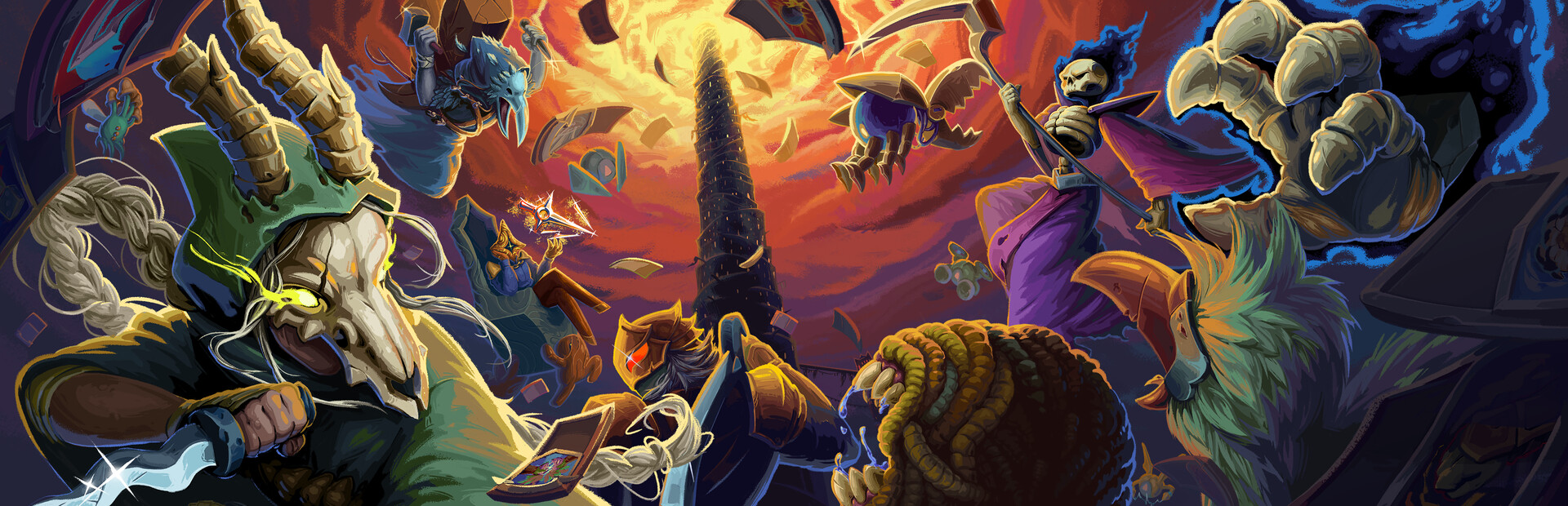
A solo developer turned a 2017 game jam entry into a genre-bending card game that blends deckbuilding, escape-room puzzles and meta horror — and sold over a million copies in under three months at $19.99.
A giant cookie sits in a browser tab. You click it. You buy grandmas, then factories, then time machines, then portals to the cookieverse. That single-mechanic joke by French solo developer Julien "Orteil" Thiennot in August 2013 accidentally invented the modern incremental genre — and eight years later it shipped on Steam at $4.99 to 96% positive reviews.
A four-person Russian studio built a roguelite where you do not control the hero — you place tiles and cards to shape the world loop the hero walks. It sold 500K in week one and a million on Steam by December 2021.
A five-person Swedish studio turned the founder side project into one of the biggest Early Access launches Steam has ever seen: 1M copies in eight days, 5M in a month and 12M+ lifetime at $19.99.
Three developers spent six years simulating every single pixel of a roguelite world. Noita's falling-sand physics turned fire, acid and steam into an entire design language — and a cult hit.
A first-time solo developer built a co-op ghost-hunting game because the one he wanted to play did not exist. It entered Steam Early Access in September 2020, exploded through streamers and in-game voice chat, and passed 25 million copies by July 2025.
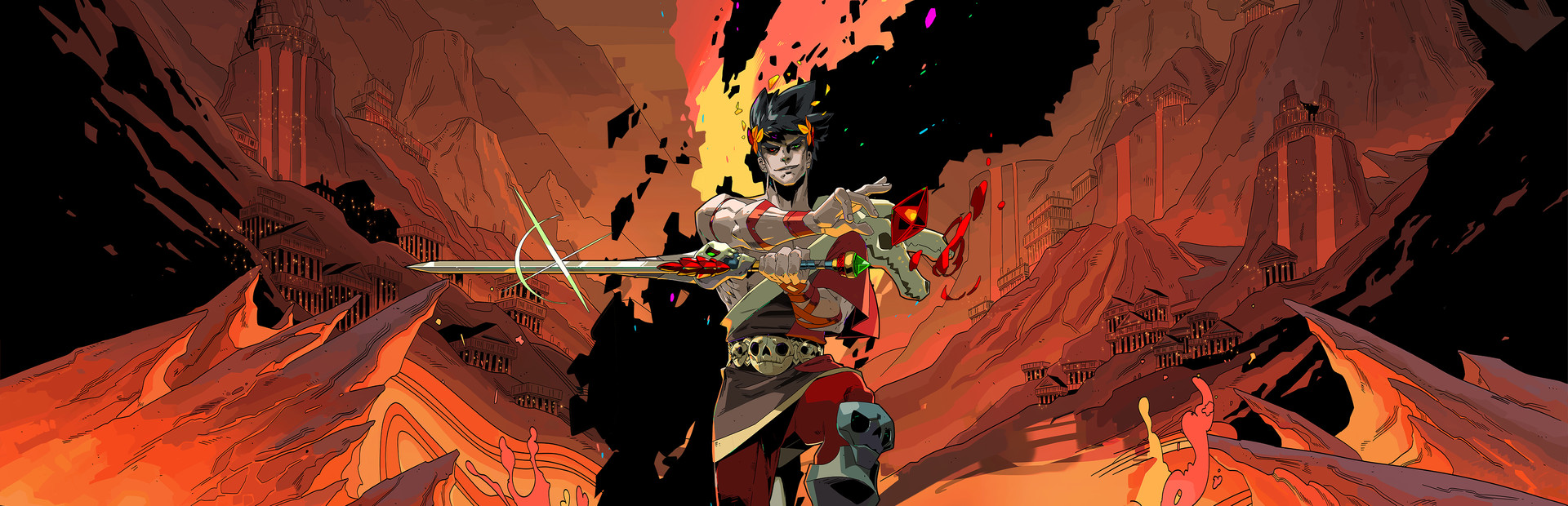
Supergiant Games solved the roguelike's biggest problem — dying is boring — by making every death part of the story. Hades sold a million copies in Early Access and swept every game award that mattered.
Two developers fused deck-building card games with roguelike dungeons and invented a genre. It sold about 200 copies on day one, then exploded after a Chinese streamer picked it up — 1.5 million by March 2019 and an estimated 6.6 million Steam copies by 2025.
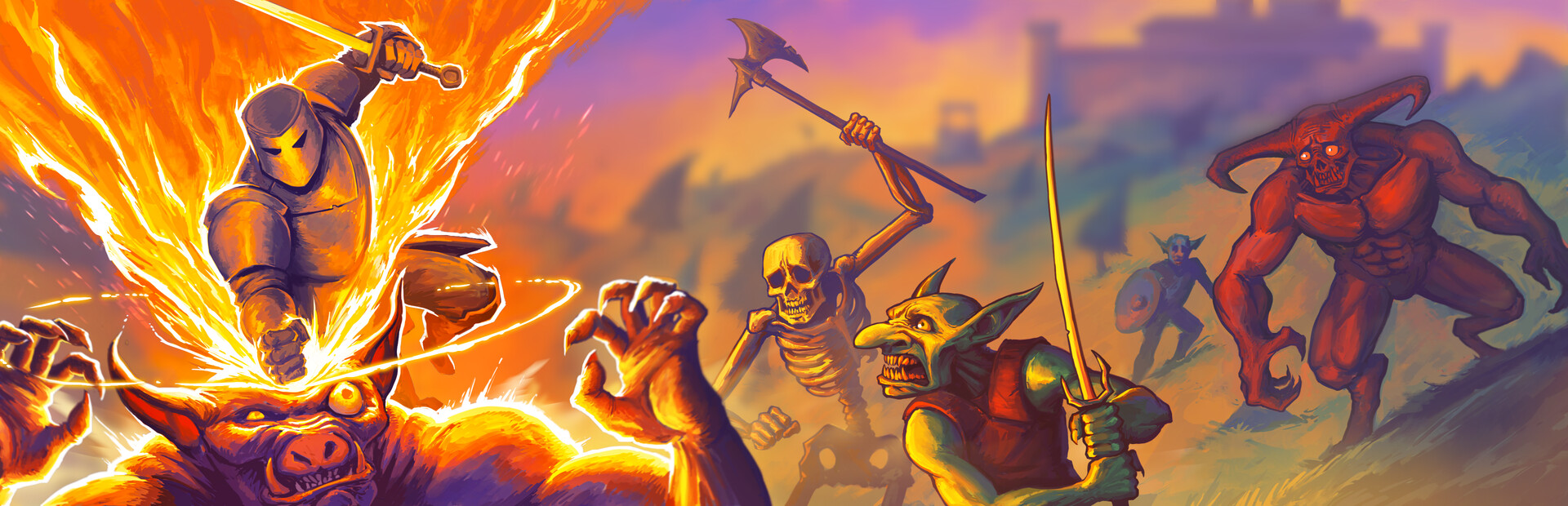
A strategy game with essentially one input: spend coins. Kingdom Two Crowns wrapped that idea in gorgeous pixel art and cooperative play, and became the biggest entry in a genre-defining minimal-kingdom series.
Three developers, an 18-month build, a $4.99 price and almost no marketing. Among Us sold fewer than 300,000 copies in its first two years, then a Twitch wave in mid-2020 turned it into the most-played game on earth.
Tynan Sylvester sold RimWorld at $34.99 — double what an indie should charge — and let five years of Early Access turn it into the definitive colony-sim story generator, with 1M+ sales at 1.0.
A friendly AI told to make paperclips — and then keeps going. Built solo over nine months as a JavaScript learning project by NYU Game Center director Frank Lantz, this free 2017 web game became a landmark of the incremental genre and a touchstone in AI-safety discourse.
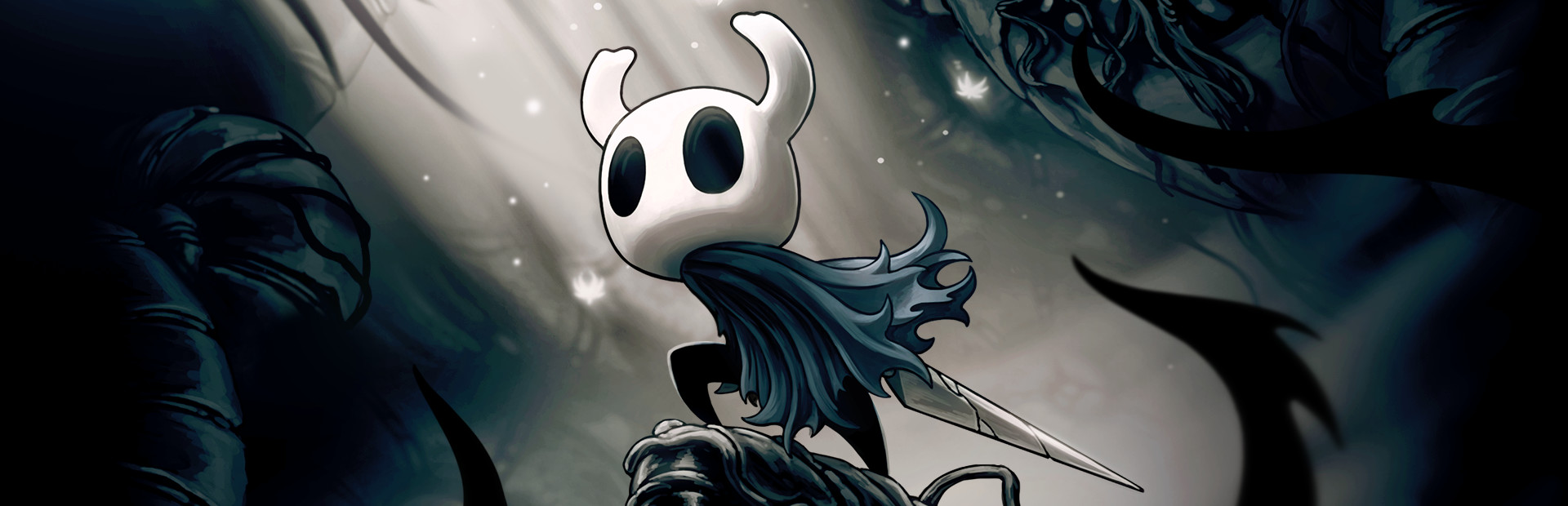
Three Australians, a beetle kingdom and the deepest 2D world of its generation. Hollow Knight raised AU$57,158 on Kickstarter and became the benchmark every new Metroidvania is measured against.
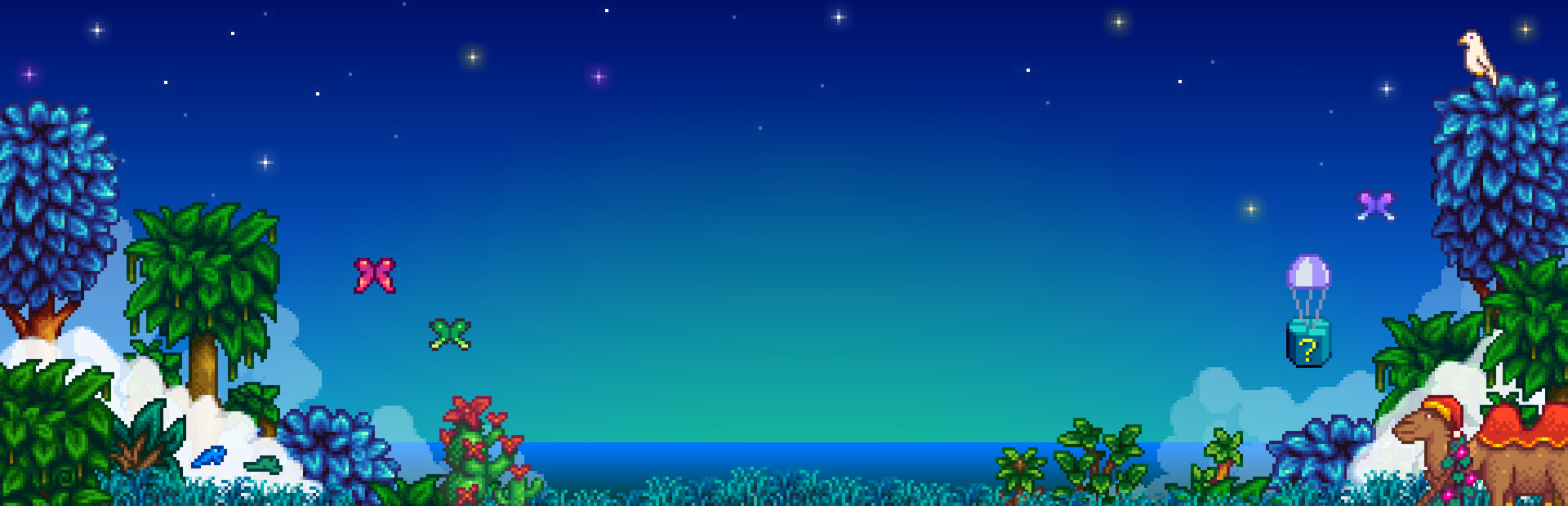
One developer, four years, every pixel and every note by hand. Eric Barone taught himself programming, art, music and writing to build a farming-life sim that outsold most AAA games — over 41 million copies and still 98% positive a decade later.
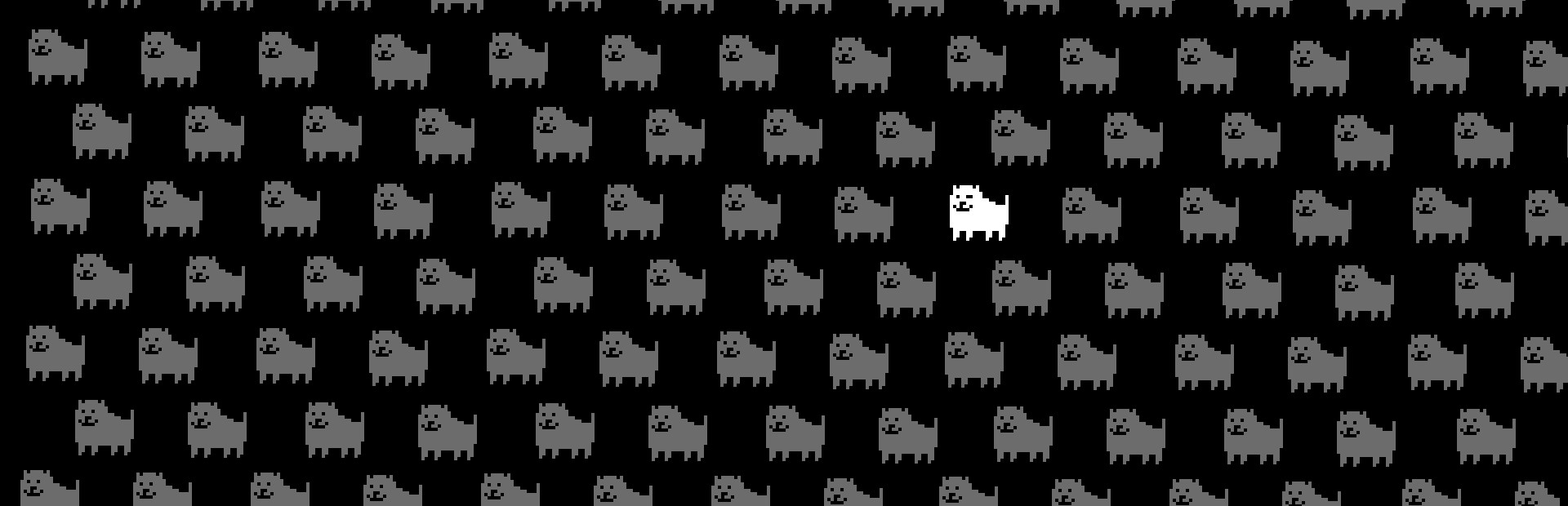
A one-developer RPG where you never have to kill anyone. Undertale turned its $51,124 Kickstarter into one of the most influential and beloved games of the century — and rewired how designers think about choice.
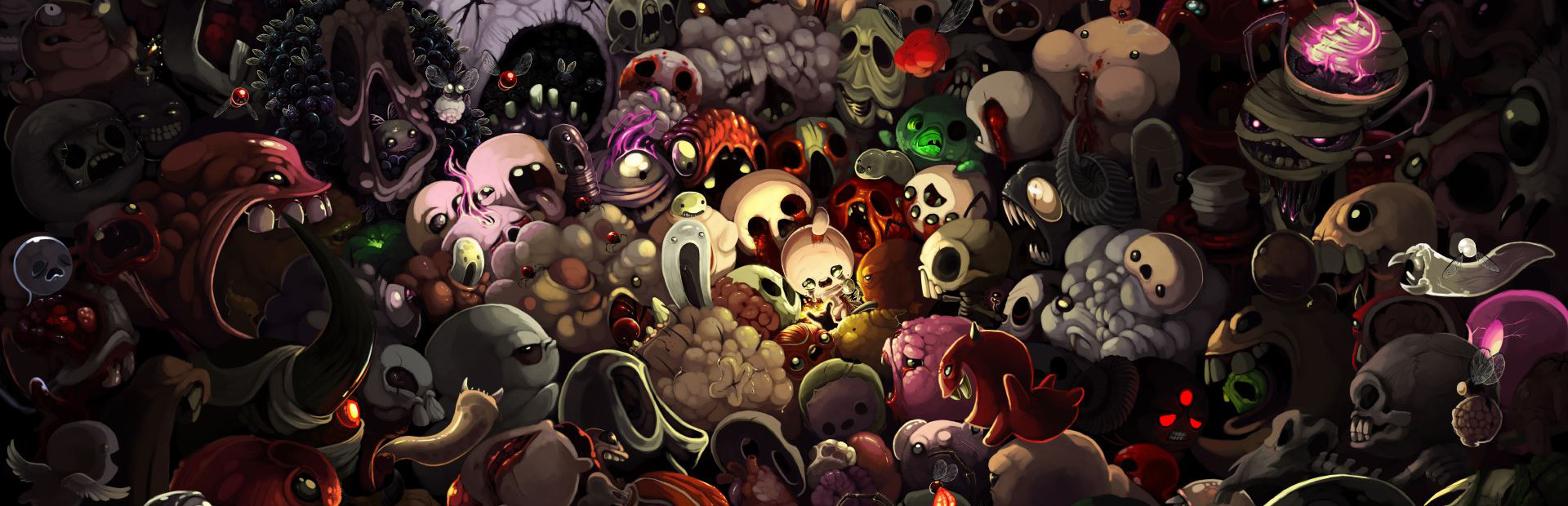
What began as a Flash game about a boy fleeing his mother became the blueprint for modern roguelikes: hundreds of stacking items, brutal difficulty and randomised runs — now a 7-million-plus-copy franchise.
Glory to Arstotzka. One developer spent nine months making border-crossing paperwork the most stressful thing on the internet — and sold nearly two million copies of a game about stamping documents.
Two developers, a ten-thousand-dollar goal that raised twenty times more, and a starship sim where every jump can kill you. FTL became the template for an entire genre of crew-management roguelikes.
A tiny team built Terraria in roughly four months, sold it at $9.99, and spent the next decade turning a 2D sandbox into one of the best-selling games of all time — 44 million copies and counting.
Every year, a handful of tiny teams — often one to five people working with budgets smaller than a single AAA marketing meeting — outsell games with hundreds of developers behind them. DevIndieGame tracks these outliers: who made them, how much they cost, how long they took, and exactly why they blew up on Steam.
Whether you are prototyping your first game or preparing a Steam launch, these case studies give you realistic benchmarks and repeatable patterns: streamer-friendly design, viral hooks, smart pricing, and genre picks where small teams can still win.
Budgets, team sizes, dev time and unit sales for every game — sourced from developer talks, publisher reports and press coverage, clearly labeled when estimated.
What the game actually plays like, which design decisions made it viral, and why players could not stop sharing it with friends.
Each case study ends with concrete takeaways you can apply to your own project — no vague inspiration, only patterns that repeat across hits.
Pick a genre — Roguelike, Incremental, Tower Defense, Management Sim, Asymmetric PvP — and draw a card that drops it into a concrete setting, with the controls, the win condition and one rule worth prototyping spelled out in plain words.